For me my dad very generously tried to get me into driving when I was 17 and bought me a ford fiesta. Unfortunately for him at that time for some reason I had little interest in it and it sat on the drive, I definitely couldn’t be considered to have ever driven it.
Then when I started working I needed a car to commute, I did try riding a bike down a straight busy single lane national speed limit A road for a while and quickly decided that was not a long term solution (one way or the other I wasn’t going to be doing it long). Step in my dad again with a friend selling a 12 year old Corolla for cheap. Don’t get me wrong I loved that car so much, it was brilliant, and I made a strong attachment to it, but I never quite felt like it was mine.
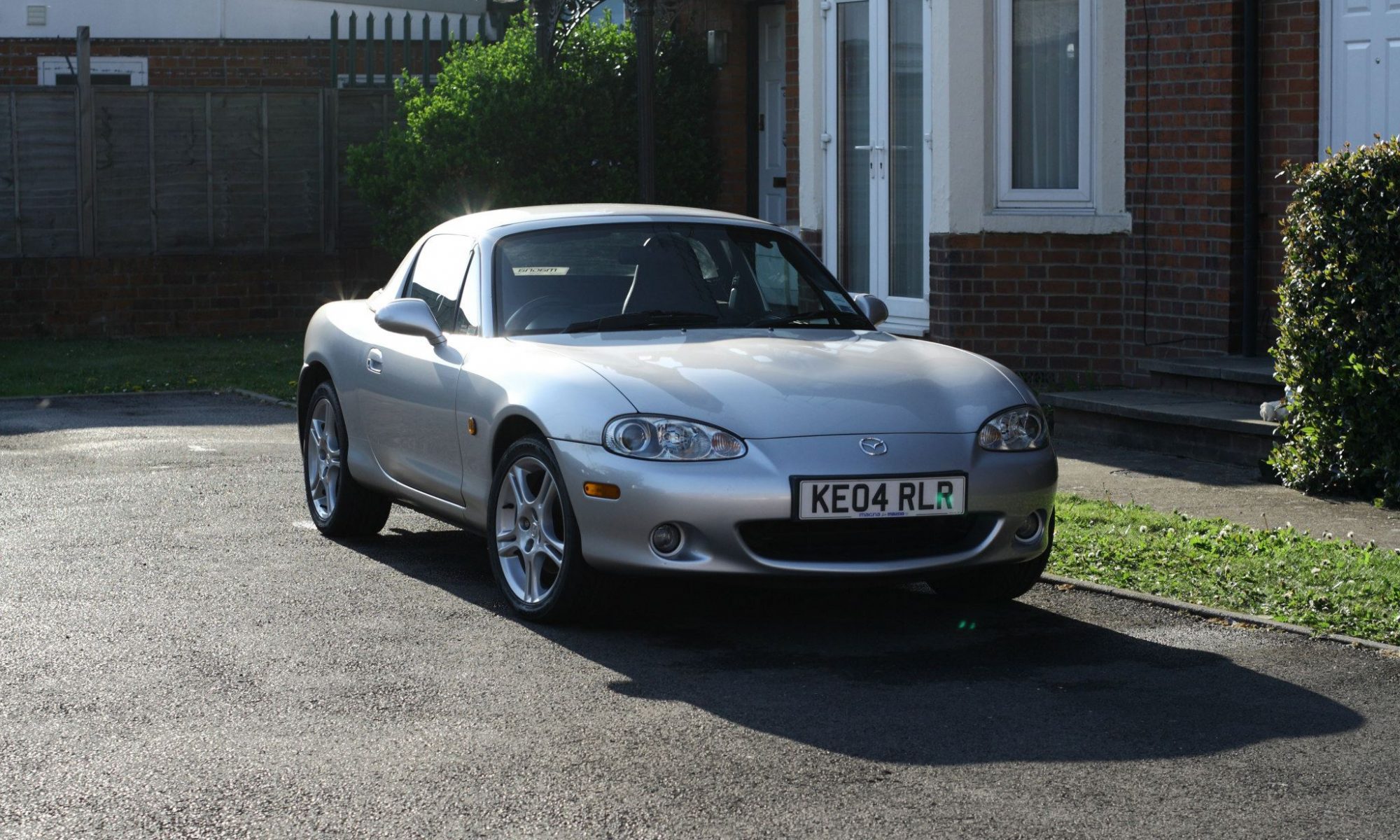
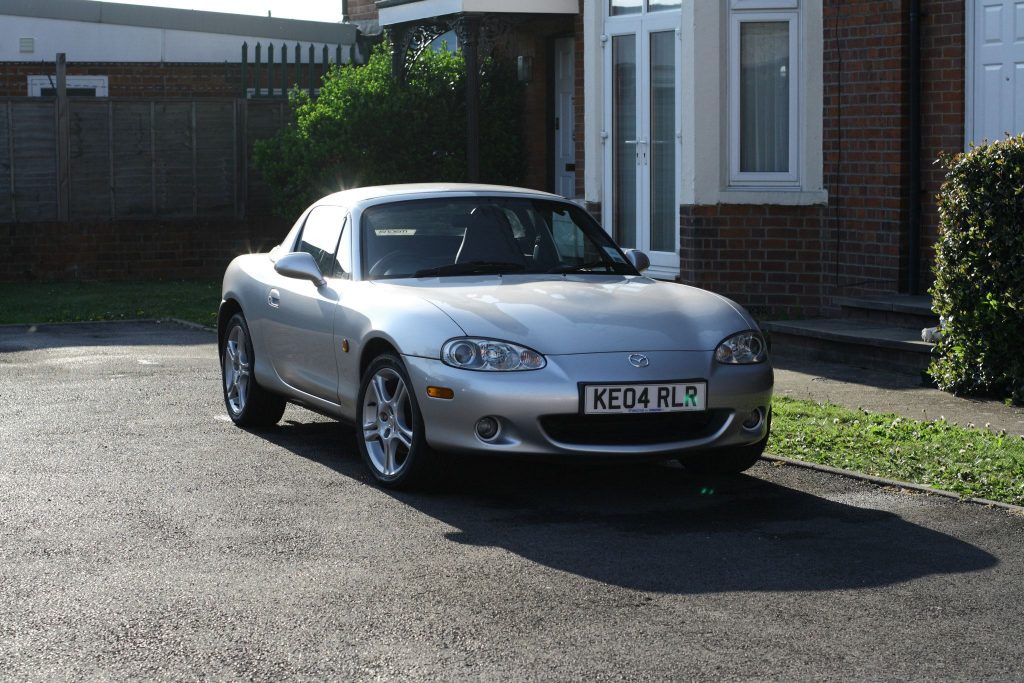
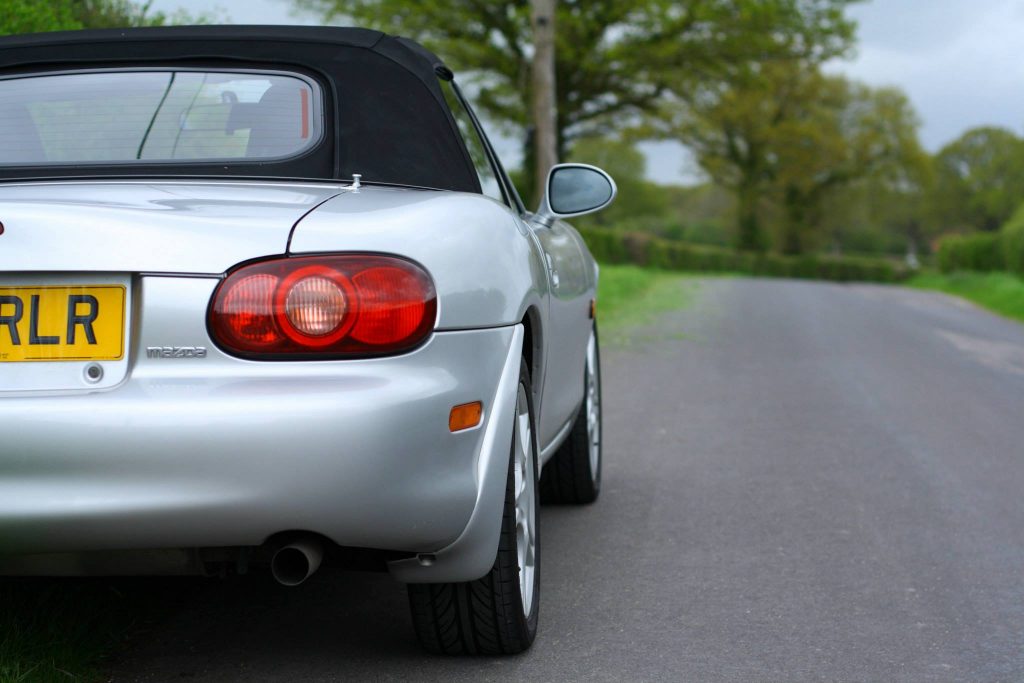
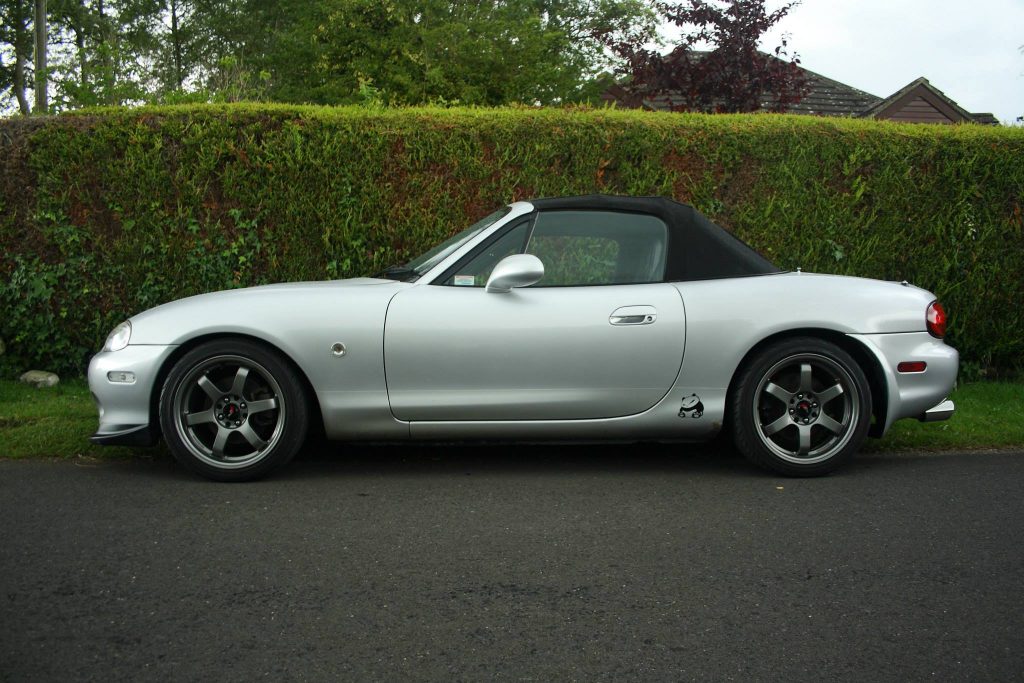
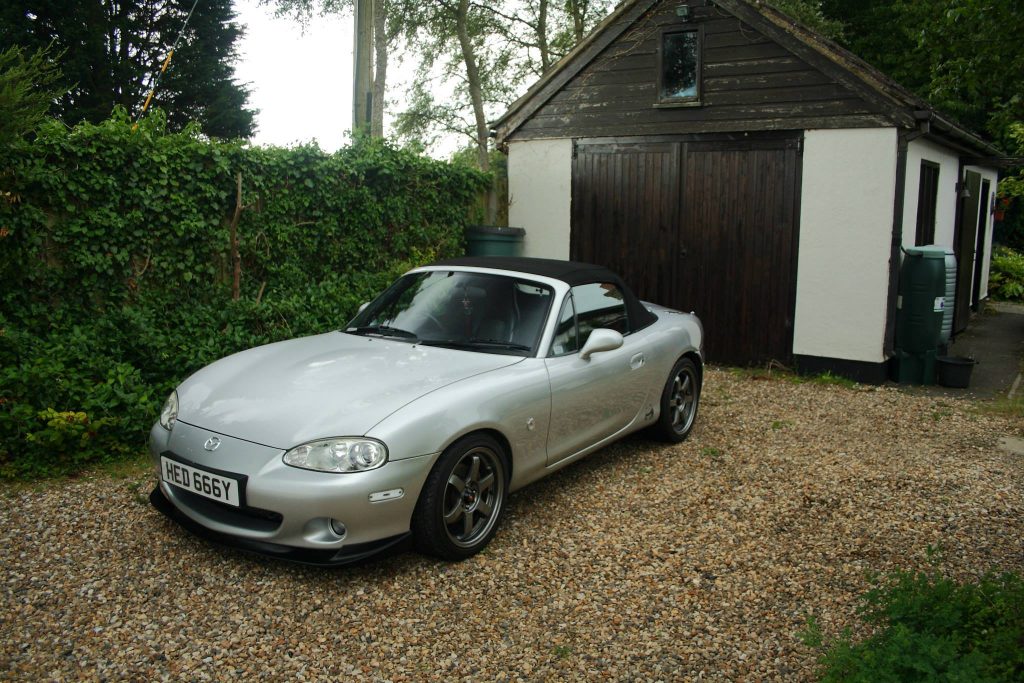
So then after a couple of years, having saved a little, with no obvious need for practicality I went on a search. After a bit of browsing this little silver car came up, was promptly checked over, purchased and back in my parking space. The Corolla summarily was handed to my sister after which the exhaust immediately vacated it’s mountings and a short time later the car was written off when failing to match up to an icy country road (everyone was fine). But back to the little sunlight silver (22V) 2004 Mazda MX5 that became nicknamed Kayleigh and my love for this little machine was absolute.
At risk of spoiling the ending of this post, I still have this car 12 years later as well as another MX5 because, of course, two of a good thing is better than one.
That started a long relationship with Kayleigh, the MX5 platform, the community and the world of car modification. I joined the MX5 car clubs, I started modifying, I took Kayleigh on a track day to Abingdon and later another at Castle Combe and of course, I learned all about MX5 rust issues.
Early modifications were subtle with the side reflectors and indicators, a grill and a front lip, then progressed to wheels and tires, an exhaust, an aftermarket ally radiator, Meister coilovers and whiteline ARBs. All of that brought us to this.
Alongside the modifications came not one, but two rounds of welding up the sills, about 6-7 years apart but still. Then there was an advisory for rust on the suspension components so a full strip and powdercoat of the wishbones happened along with replacing the bushes with stiffer replacement rubber bushes after which another successful MOT passed with yet more rust advisories. This time for the chassis rails. I was not surprised. I was however, upsettingly, losing my love for the car, which is where the next chapter picks up.
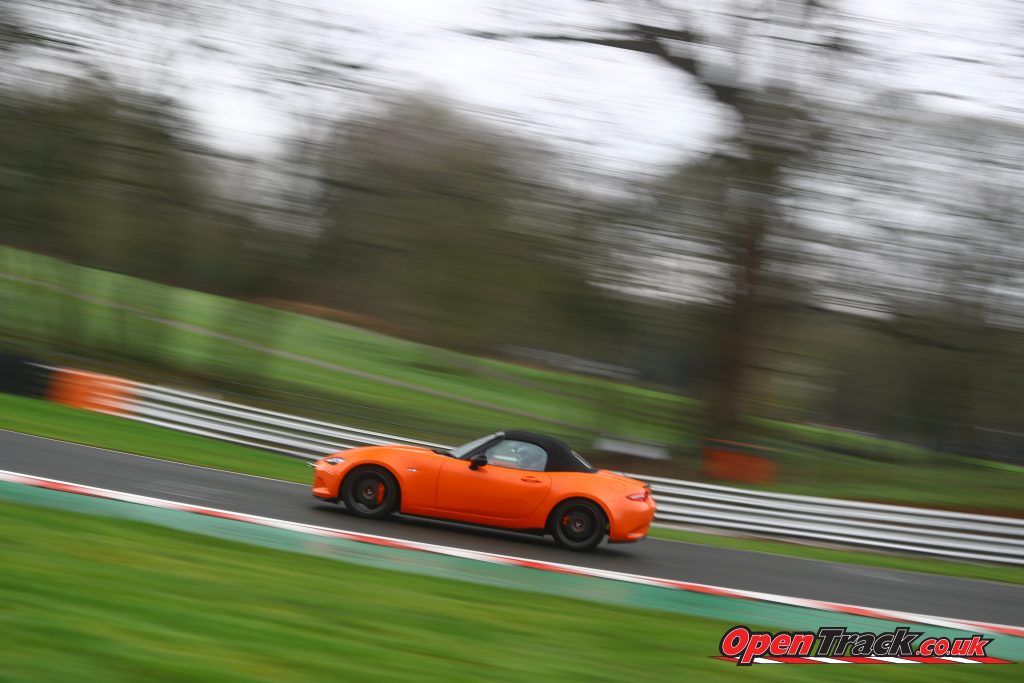
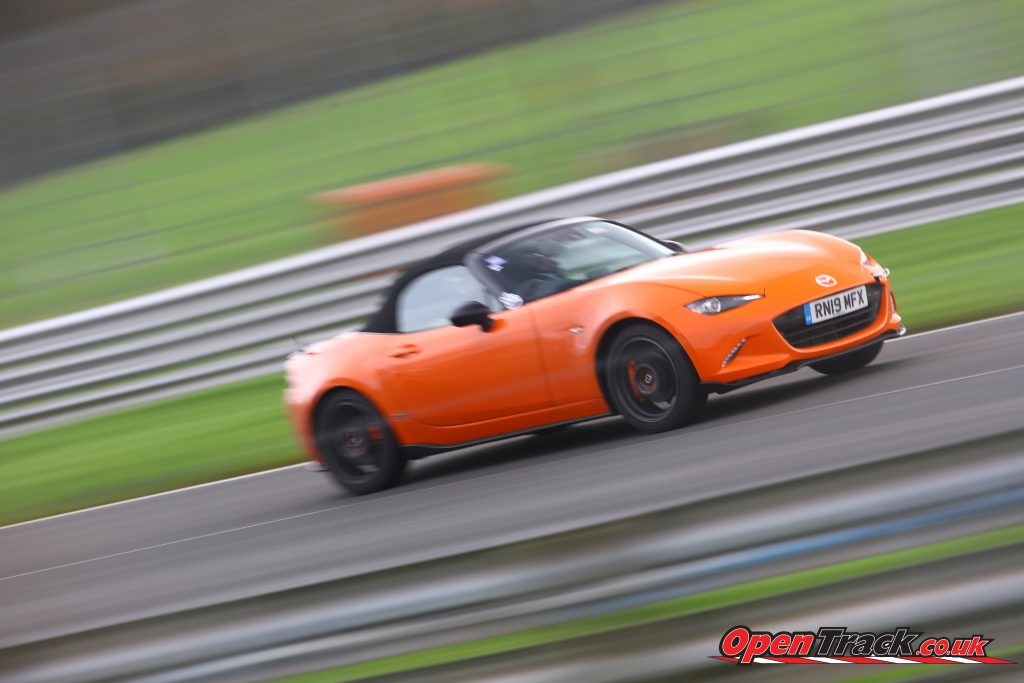
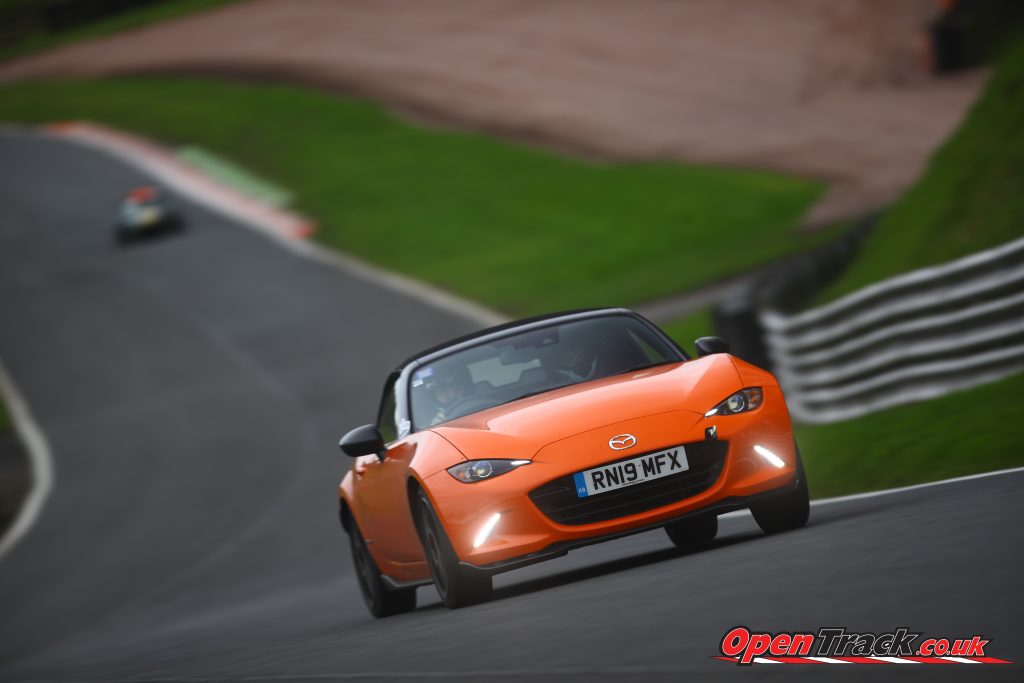
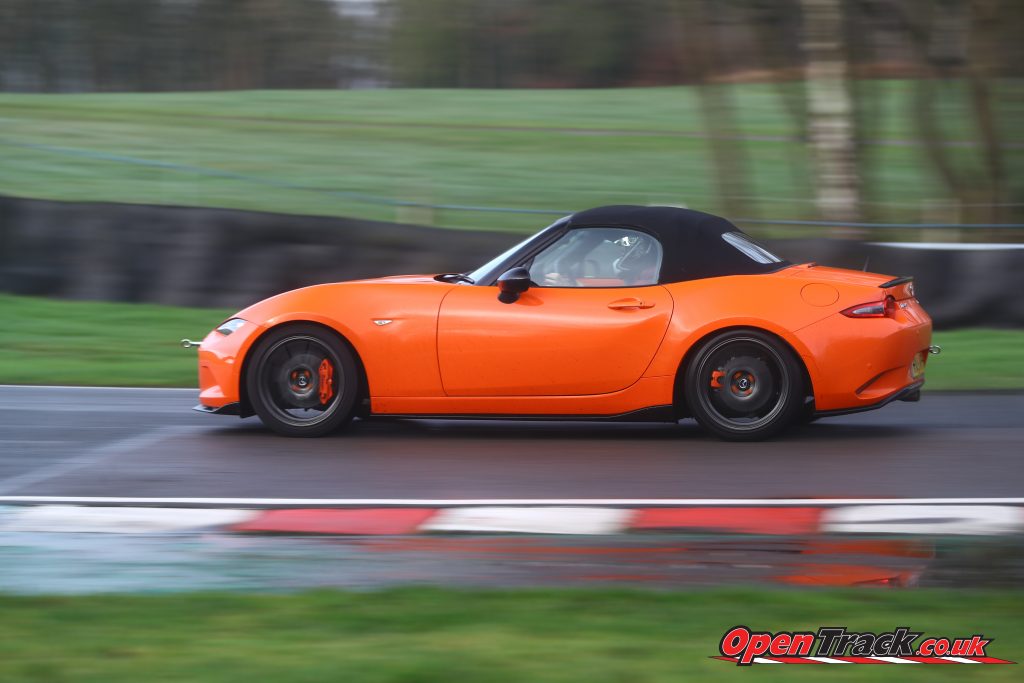
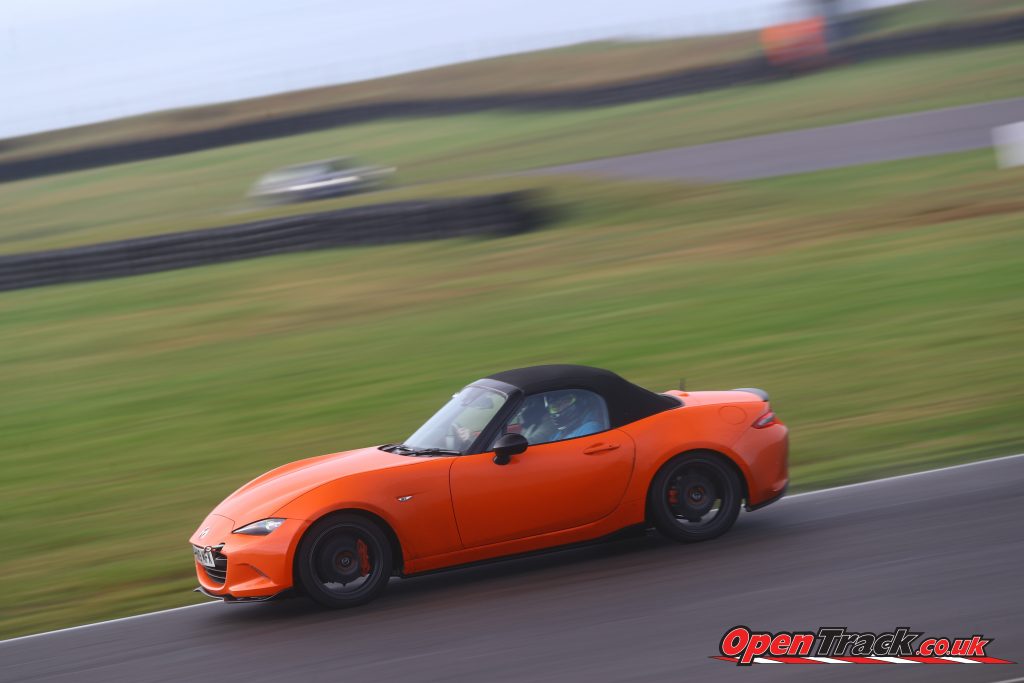
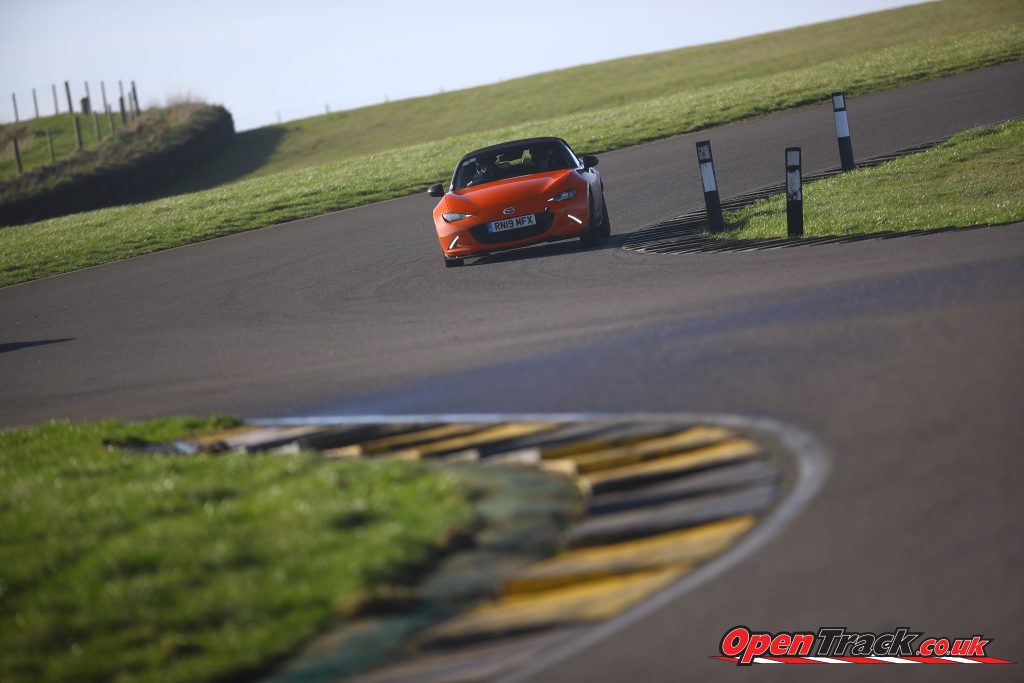
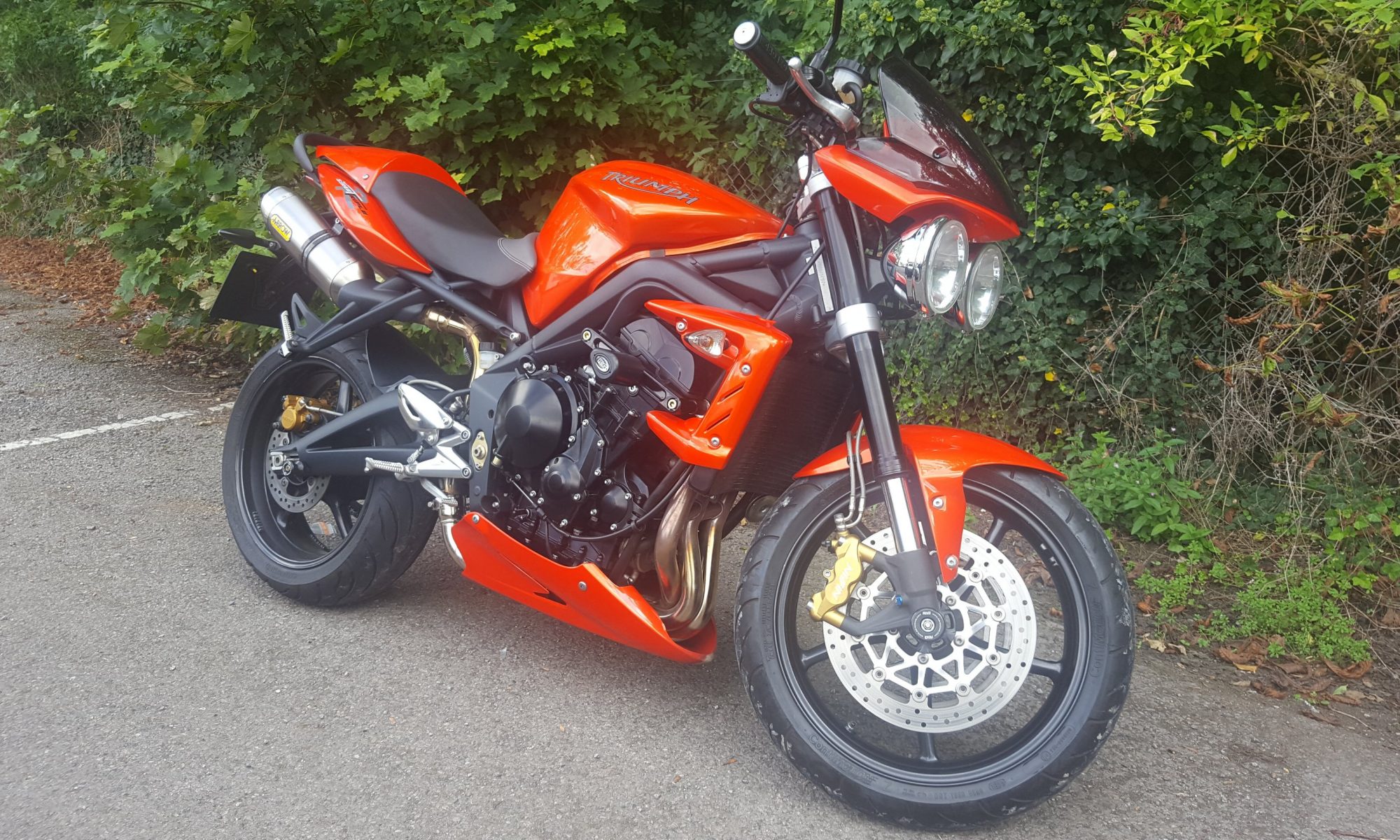
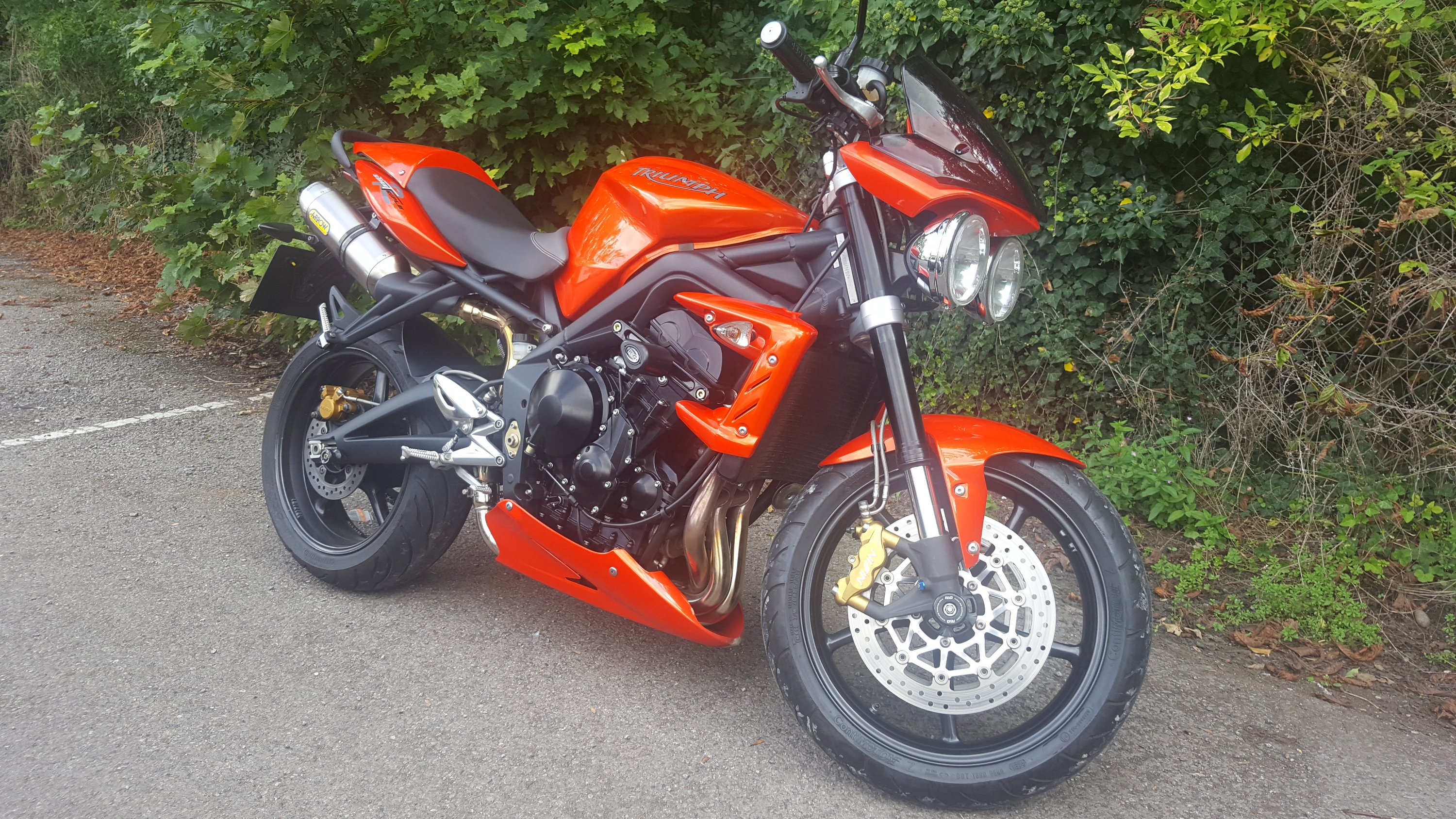
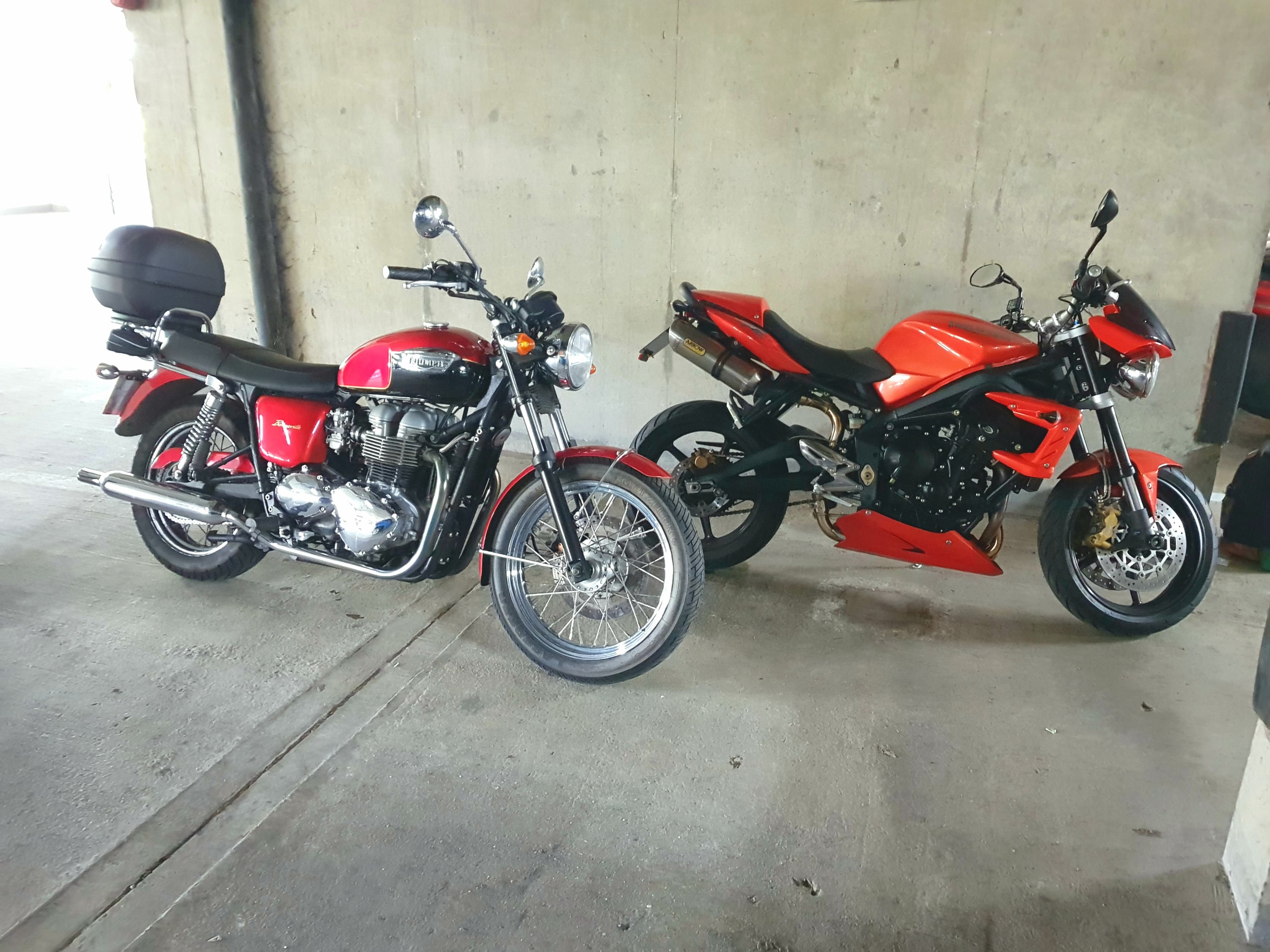
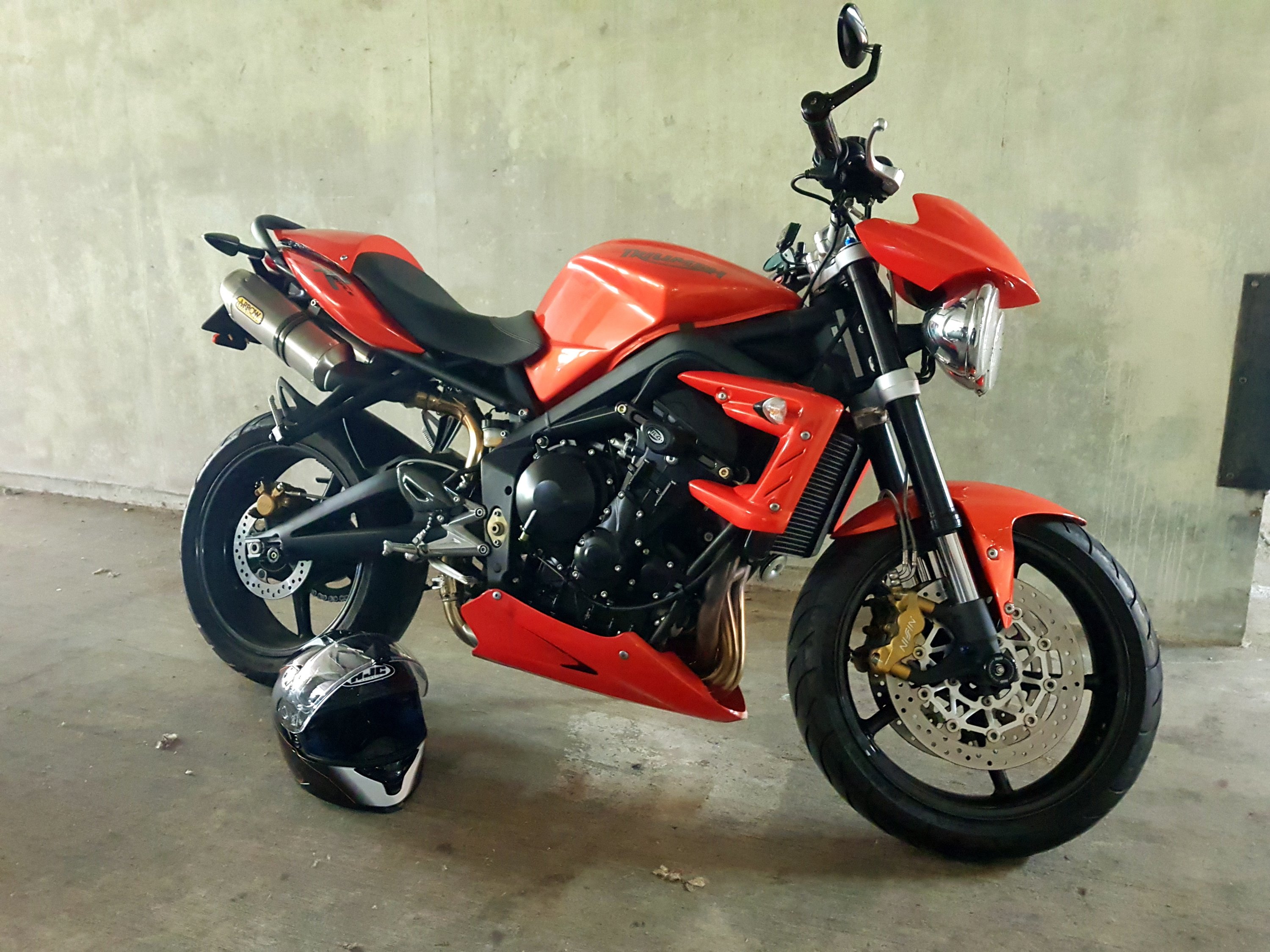
One last note though is that because of all of this time and joy with Kayleigh, another acquisition was made. This one is named Sienna and came about because of my deep love of the colour orange coupled with a wonderful partner that can only otherwise be described in this case as “a bad influence”. The good news as you can see is that the car does get used to it’s full potential, most recently at Oulton Park and Anglesey over a surprisingly mild weekend in February.
Day 10 and it was time to depart Sorrento for Amalfi. We had a bit of a wait until midday when the transfer was due so slightly anxious about another drive in Italy we settled into the sunbeds for a couple of hours of reading and relaxation.
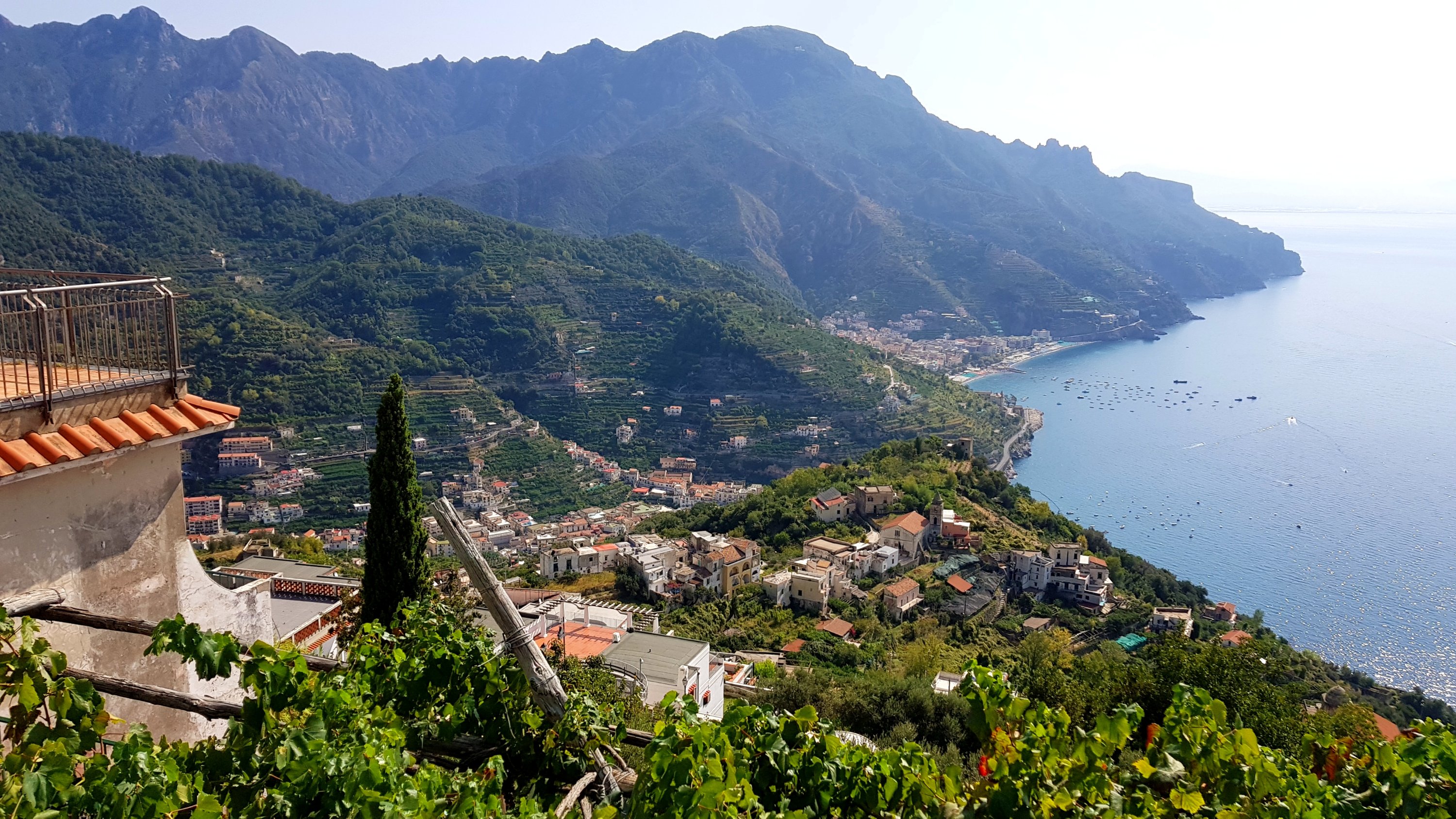
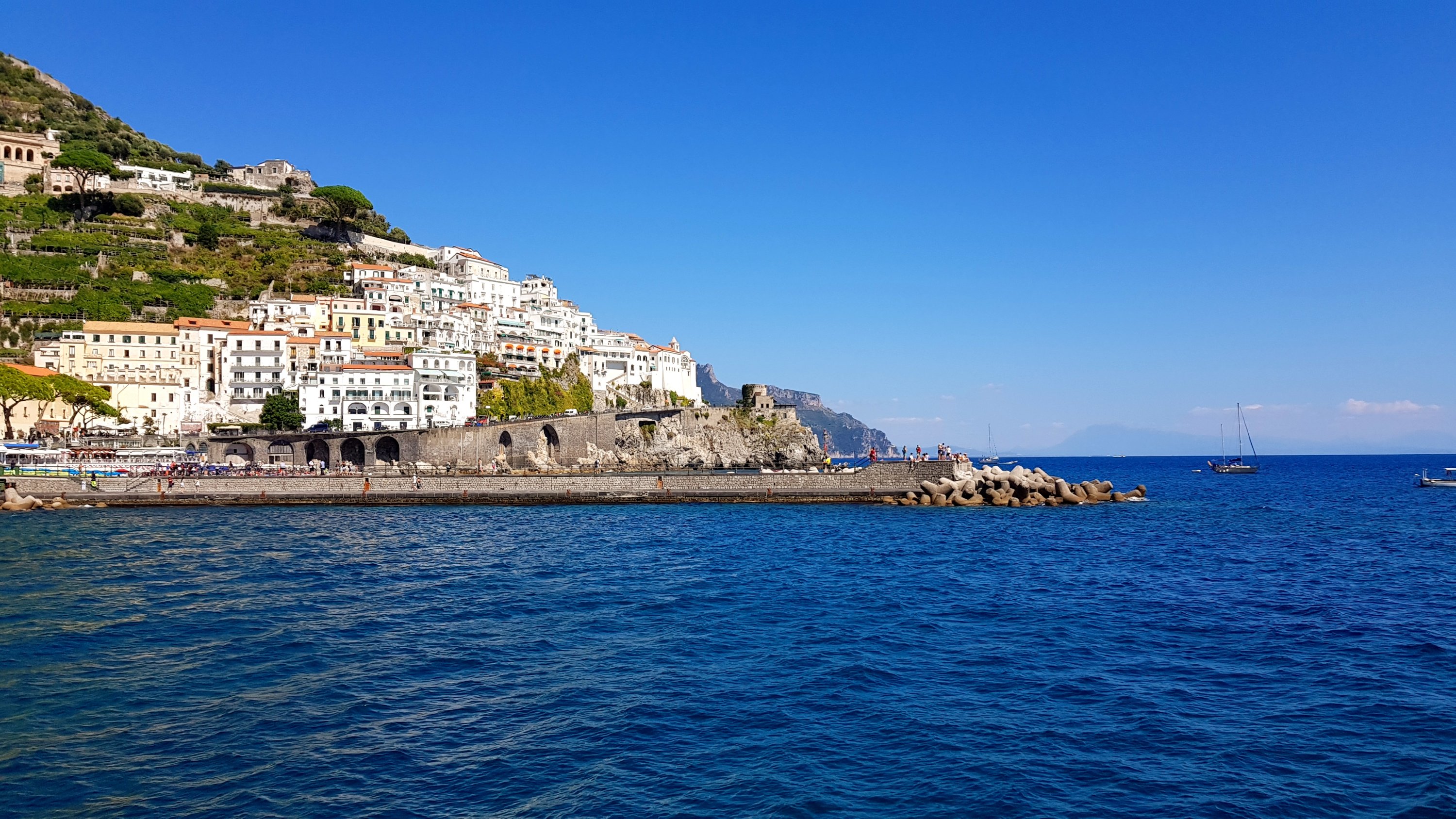
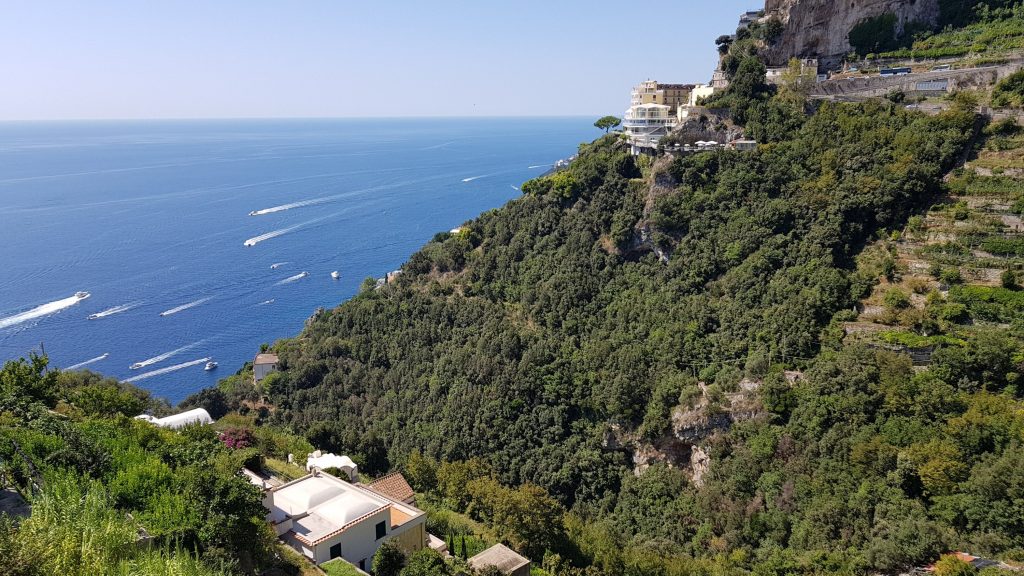
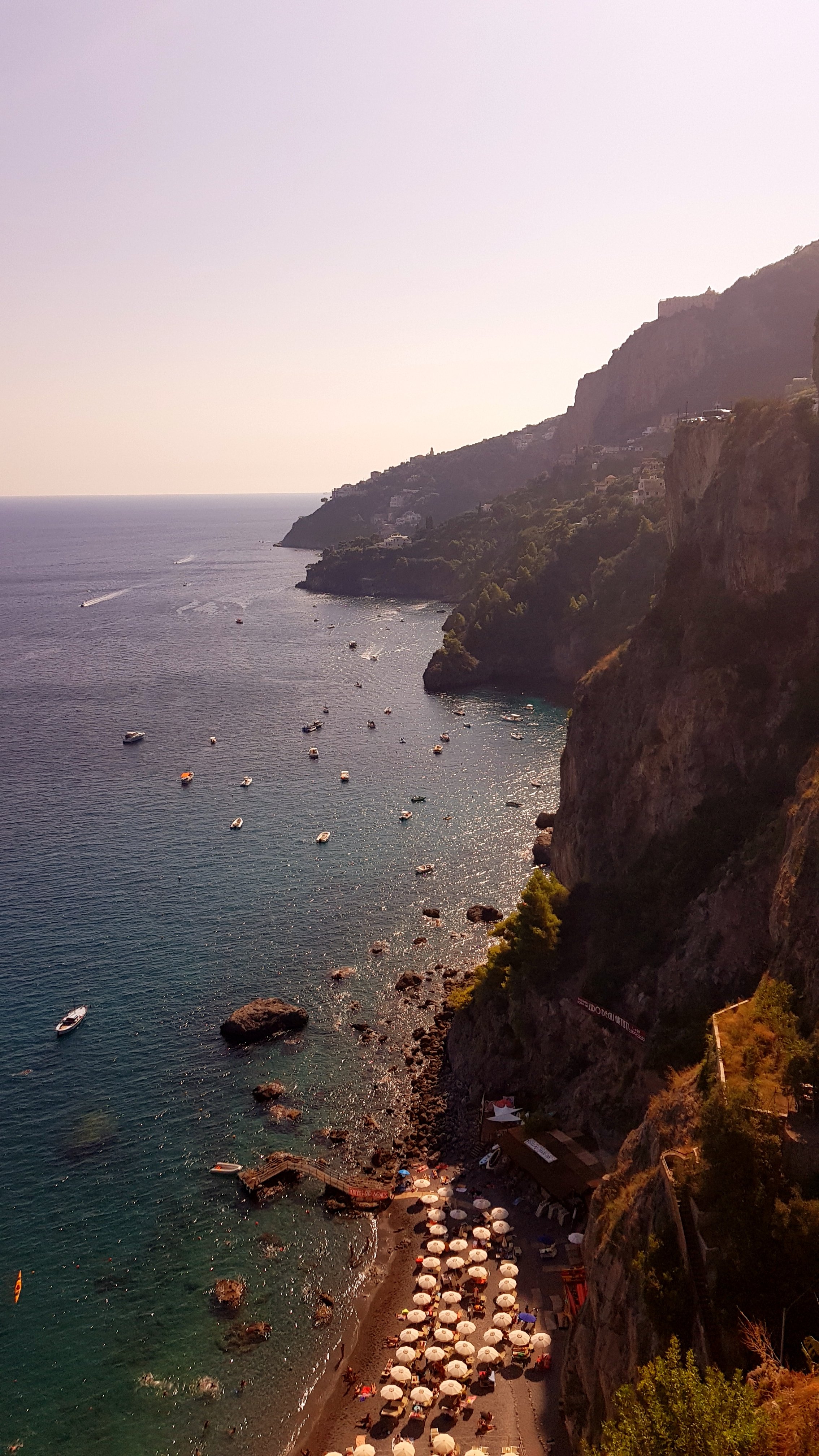
The transfer was the best yet, the road from Sorrento to Amalfi winds in and out of of the mountains, rising and falling. The views from the mountain road were indescribable (sorry).
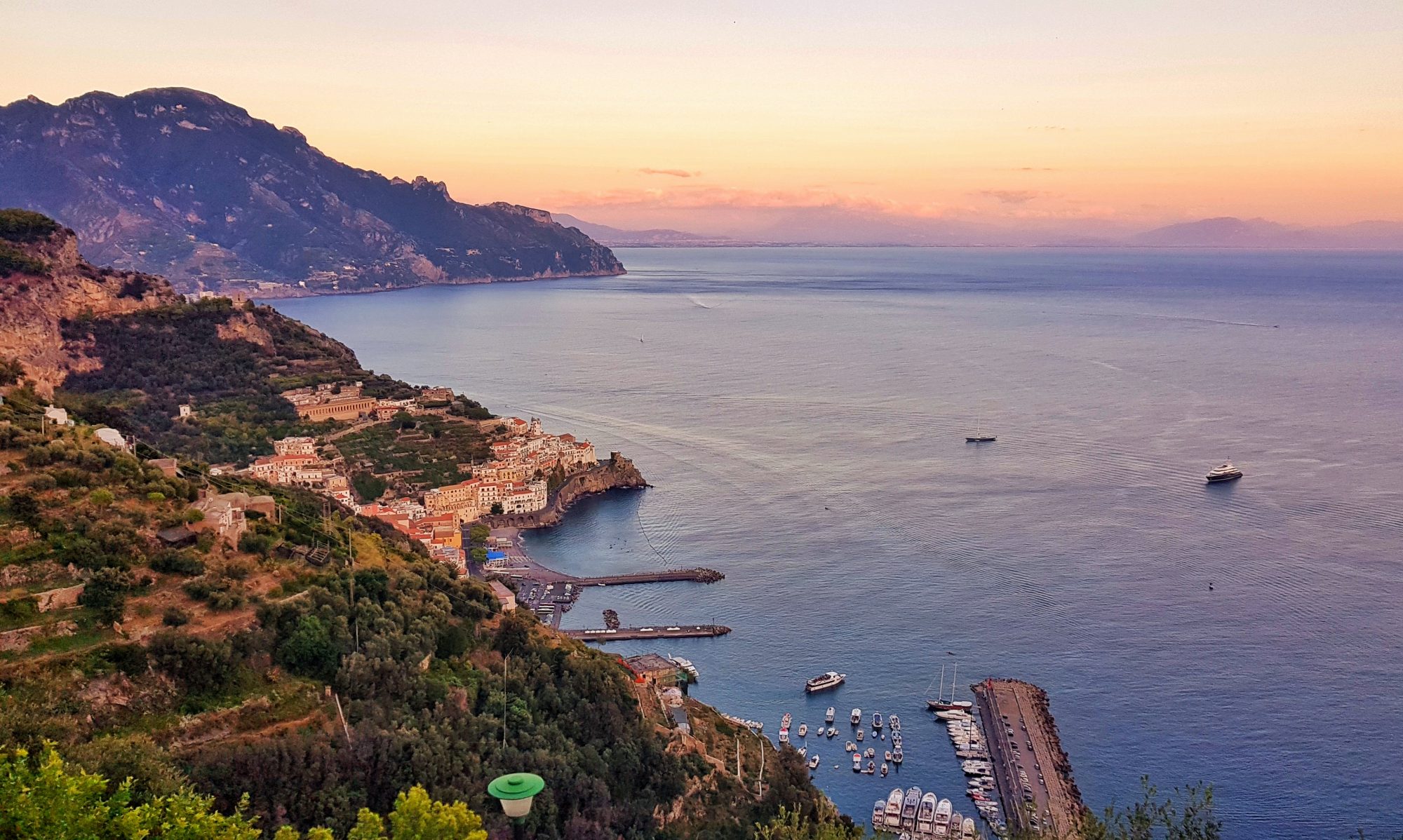
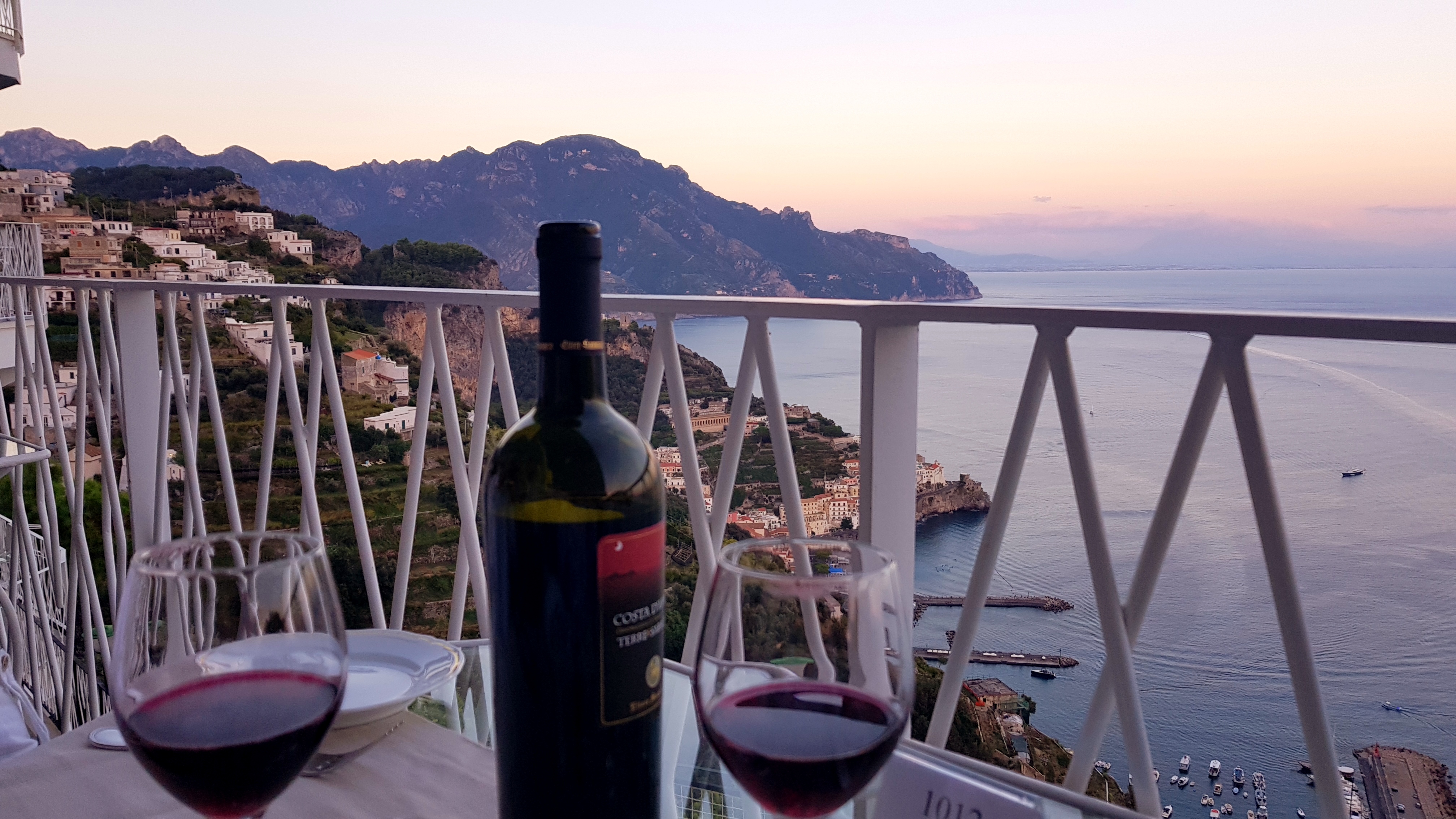
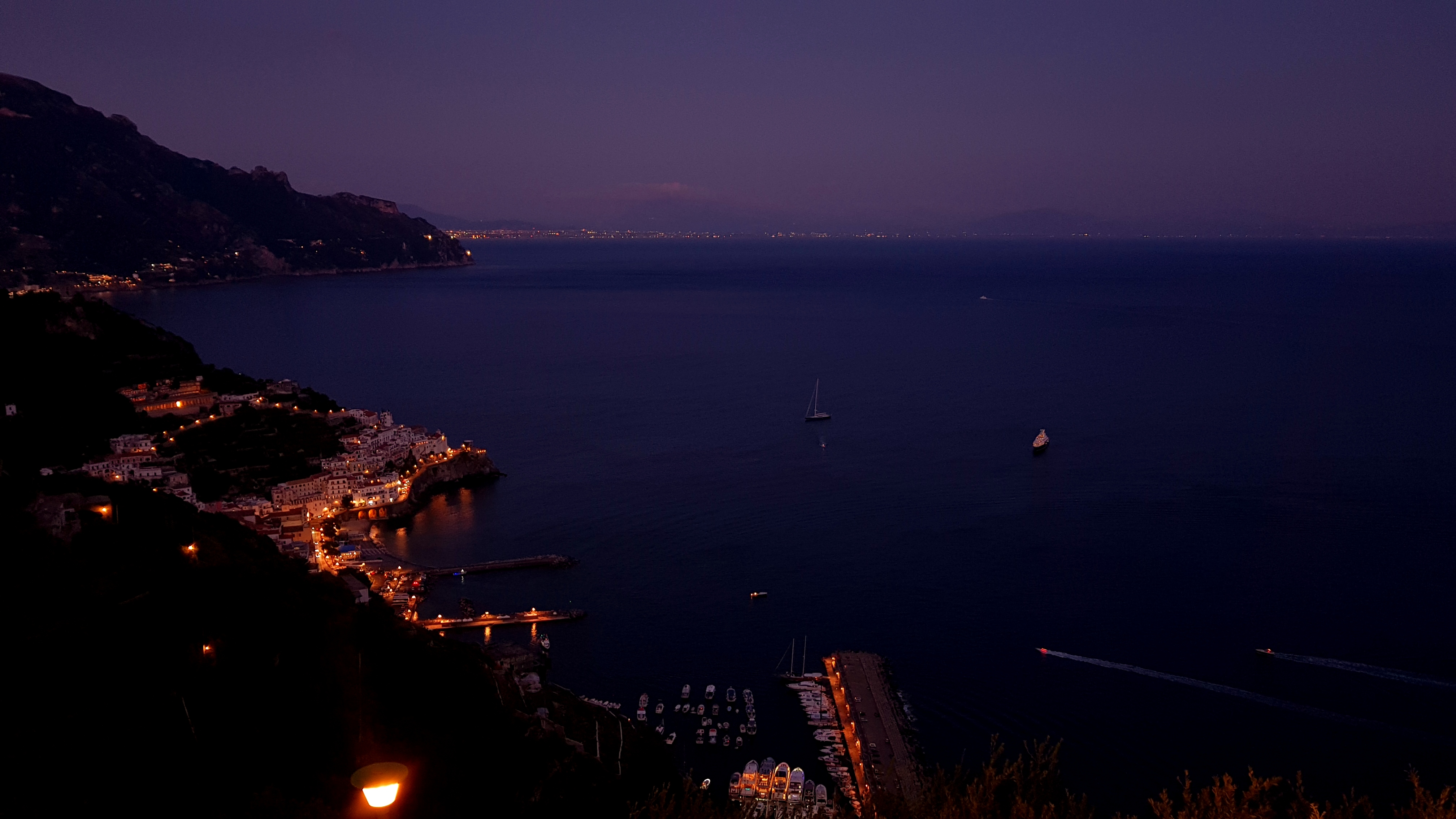
On arriving at the hotel on top of the mountainside we were checked in and then got our first look at the view from our balcony.
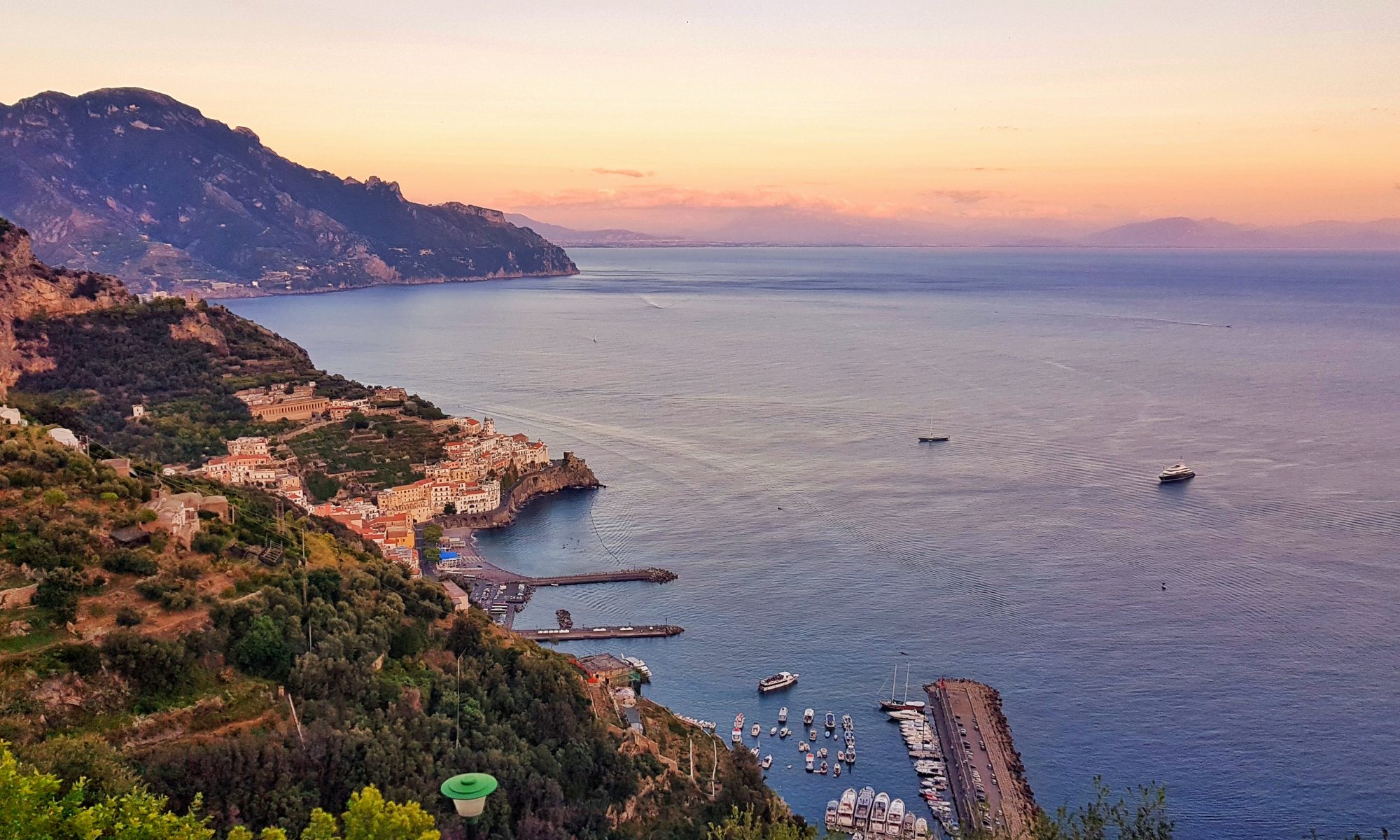
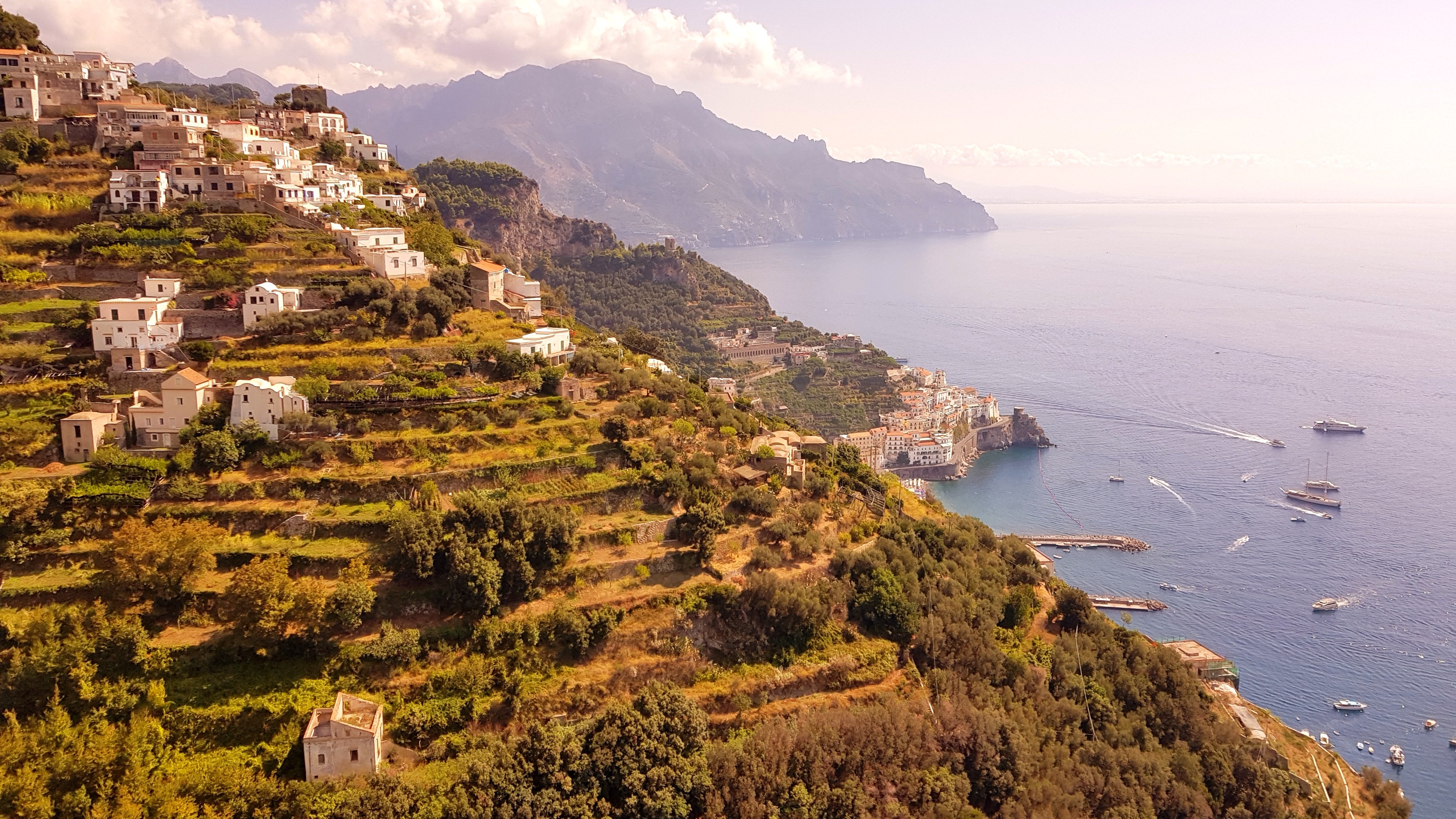
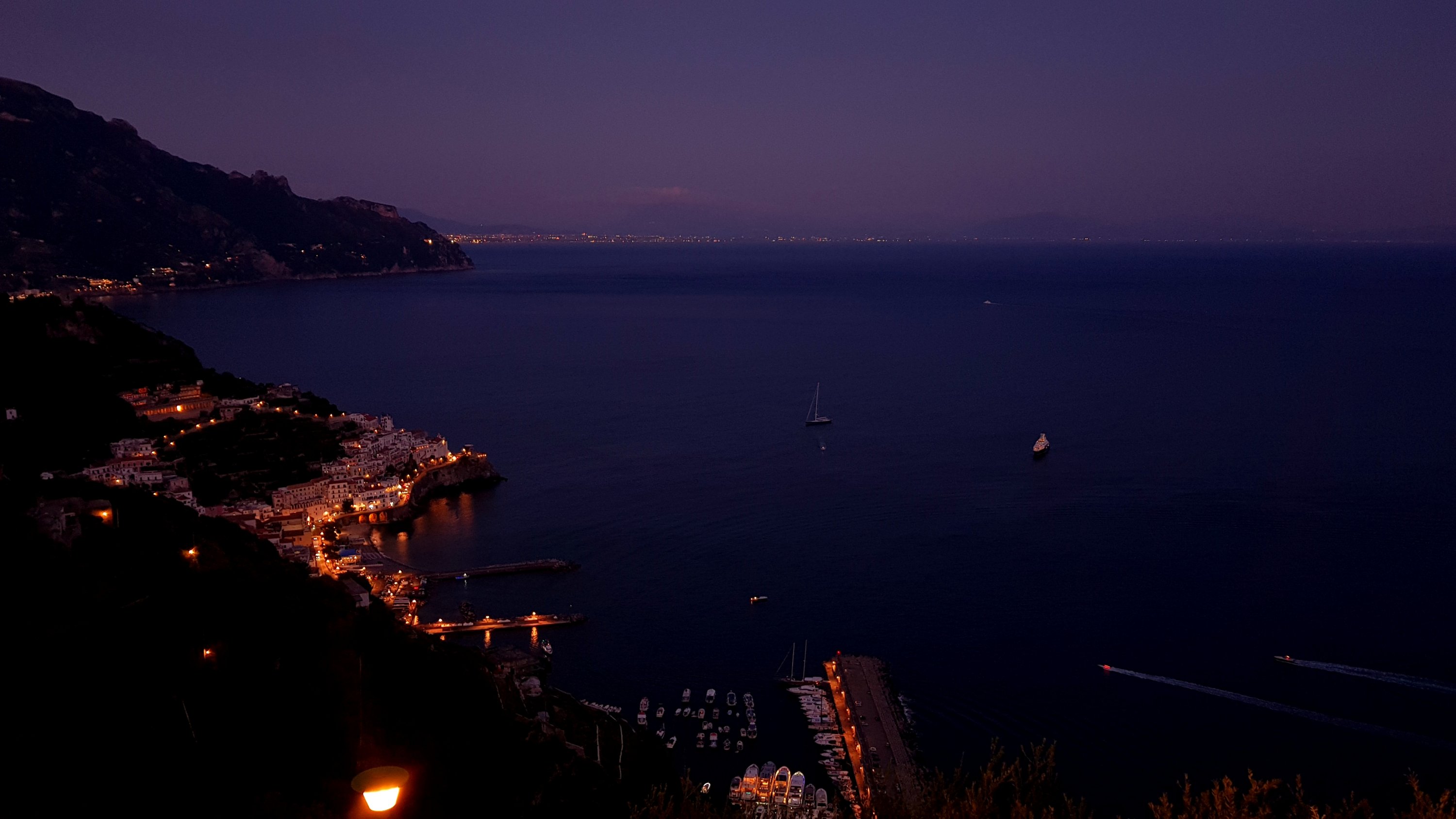
We thought that it would be difficult to improve upon the view from the balcony, but realised we were wrong at dinner that night. Cue the inspiration for the website’s header picture.
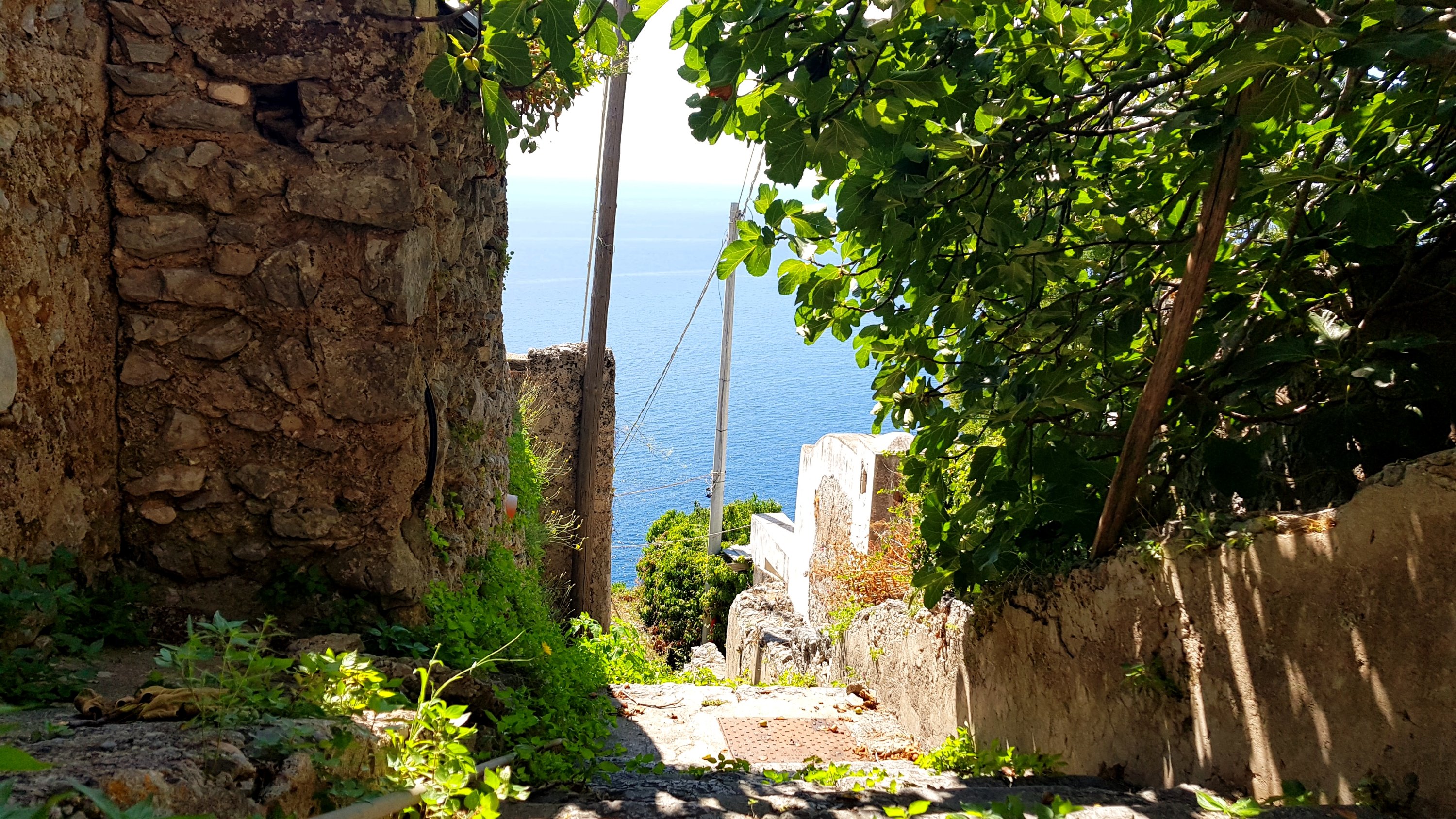
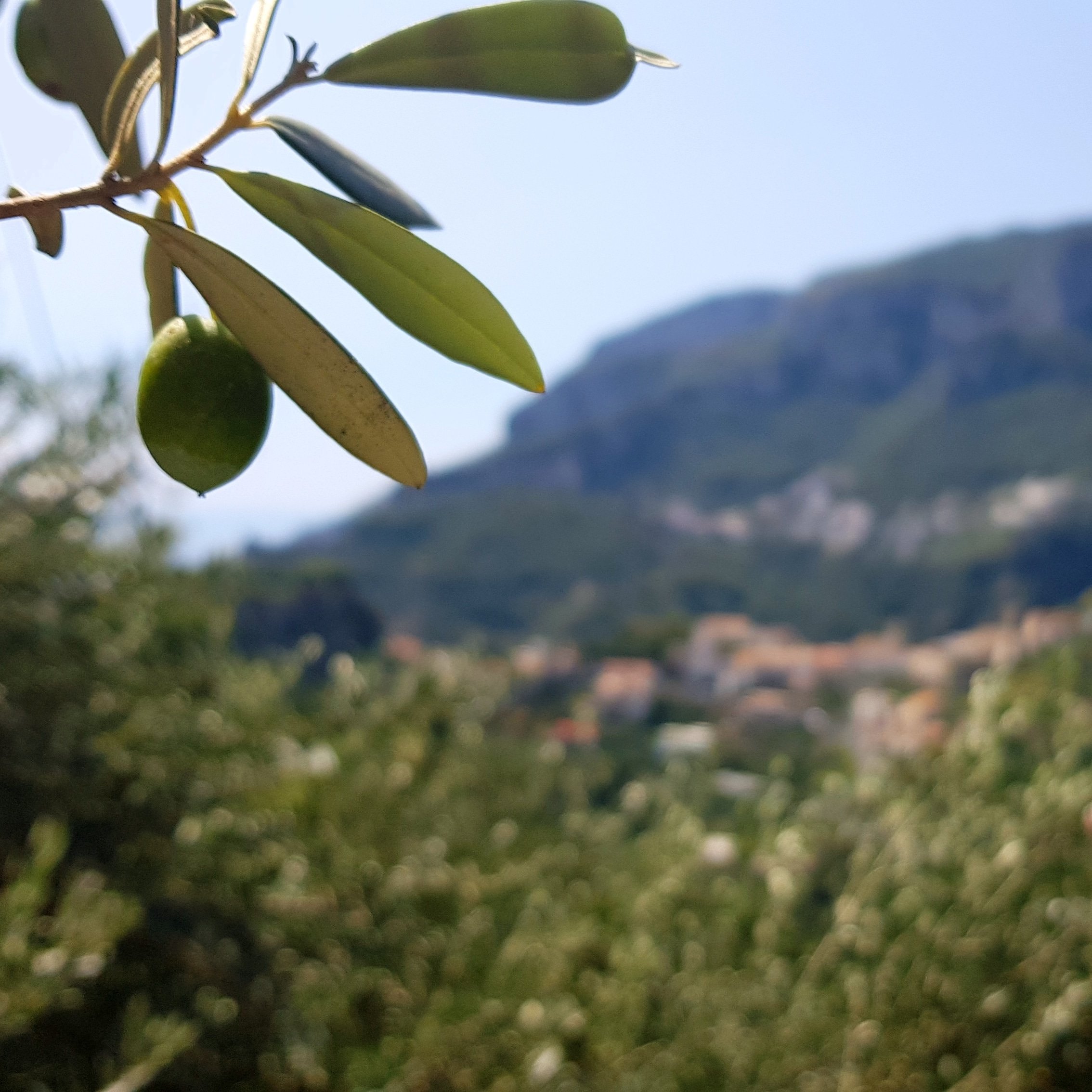
The next day we walked down to Amalfi. I definitely recommend a good hike around the region. The houses are dotted around the hillsides connected by strings of weaving stepped alleyways. A great place to get lost, but still easy enough to find your way. Just bear in mind that is is a lot of steps, your knees may not forgive you.
We arrived at the bottom of the many many steps in the town of Amalfi. The centrepiece of the town is the Cathedral of St. Andrew (yes the patron saint of Scotland – also Amalfi) which overlooks the main square. Surrounding the square were the usual Italian collection of leather shops, ice cream and souvenirs. A nice wander round the streets, some ice cream and (thankfully) a bus ride back up the mountain to the hotel, and settled into another evening with the amazing view.
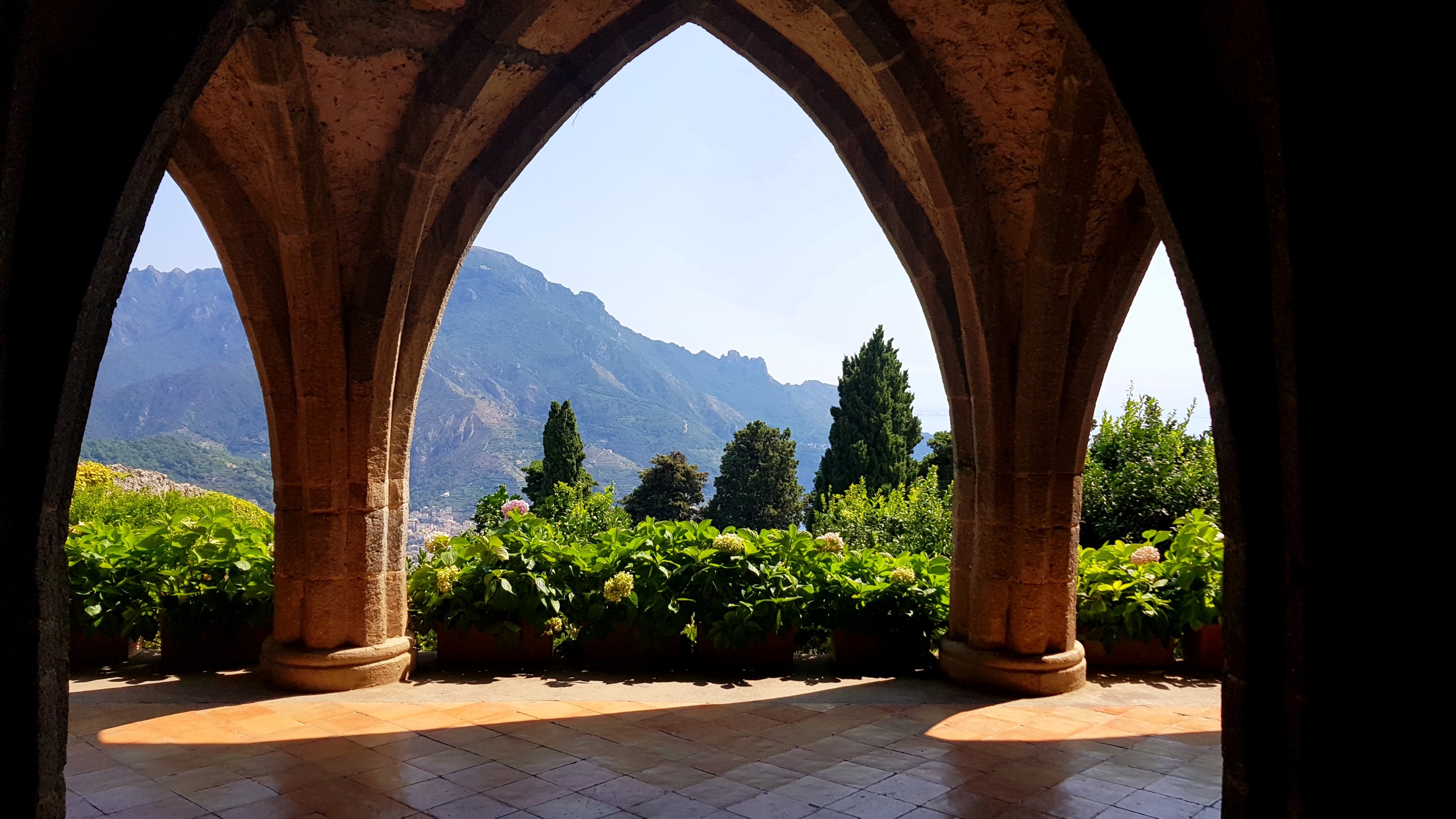
The following day we got the bus up to Ravello, a small village just north of Amalfi and another situated on a mountainside. This is a great place to come to escape some of the bustle of the tourists in Amalfi, a much quieter places with a couple of Villa’s with beautiful gardens to relax and recover in. We chose to visit the gardens of Villa Cimbrone, which included yet more incredible views from the mountainside as well as some very unique sculptures and structures.
Following our recovery in the gardens we decided (much to my partners dismay) to walk back down to Amalfi through Atrani. Similar to the walk we had done the previous day involving lots (and lots) of winding steps among hillside cottages, and yet more incredible views. At the bottom in Atrani we had a quick paddle in the sea and some more ice cream. Even if you don’t make it to Ravello I heartily recommend walking between Atrani and Amalfi through the maze of tunnels and alleyways hiding the residences of these towns. While the seafronts and shops have a familiarity, these back alleys which appear to be carved through the mountain really make you feel like you’re lost somewhere wonderful.
Our last day in Amalfi was spent at the beach sunbathing, enjoying the warm water and trying to take in the last of this incredible experience of Amalfi and Italy, though there is no doubt in my mind that we will return one day. Amalfi was the perfect end to the trip, the icing on the cake of adventure. I can see why so many fall in love with this place, it feels like a paradise, not just for tourists, but to completely get lost in. While happy to get home, I struggled to leave Italy having made so many amazing memories there. Arrivaderci Italia, until we meet again.
I’d like to share with you a piece of advice I’ve had, and have given myself over recent years.
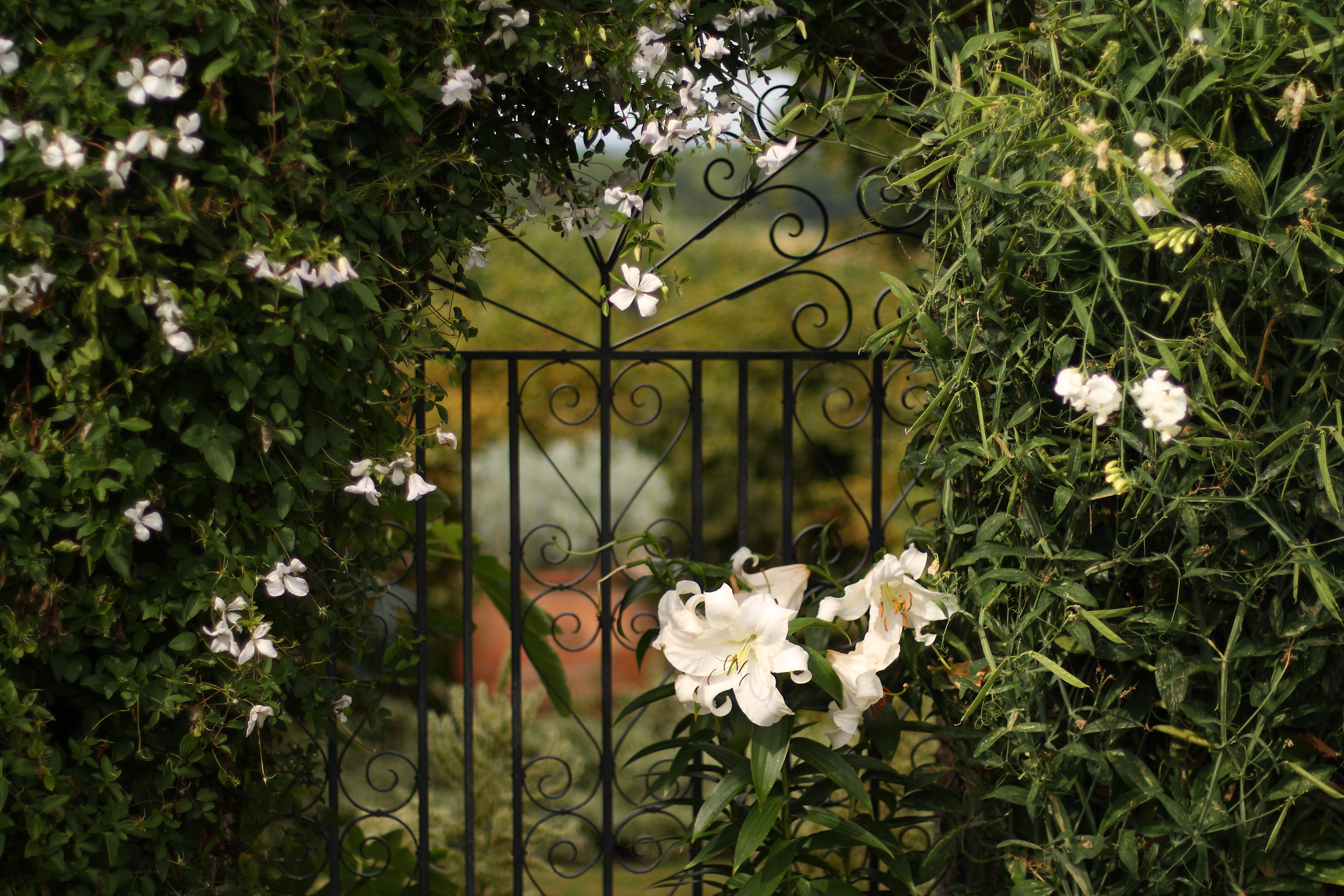
Sissinghurst, Kent, August 2015
I’ve picked up a few skills now, and a particular piece of advice comes up again and again. Always look towards the horizon.
Most recently when researching riding the motorbike. Often mistakes on the bike start by looking at the wrong thing. It sounds cliche but you do go where you look. When making mistakes, often the gaze wanders towards whatever you’re trying to avoid, and an accident becomes inevitable. That’s why you always keep your eye on the ‘vanishing point’, the furthest point away that you can see.
Recently I’ve found this advice to be everywhere, and looking back can find lots of other examples.
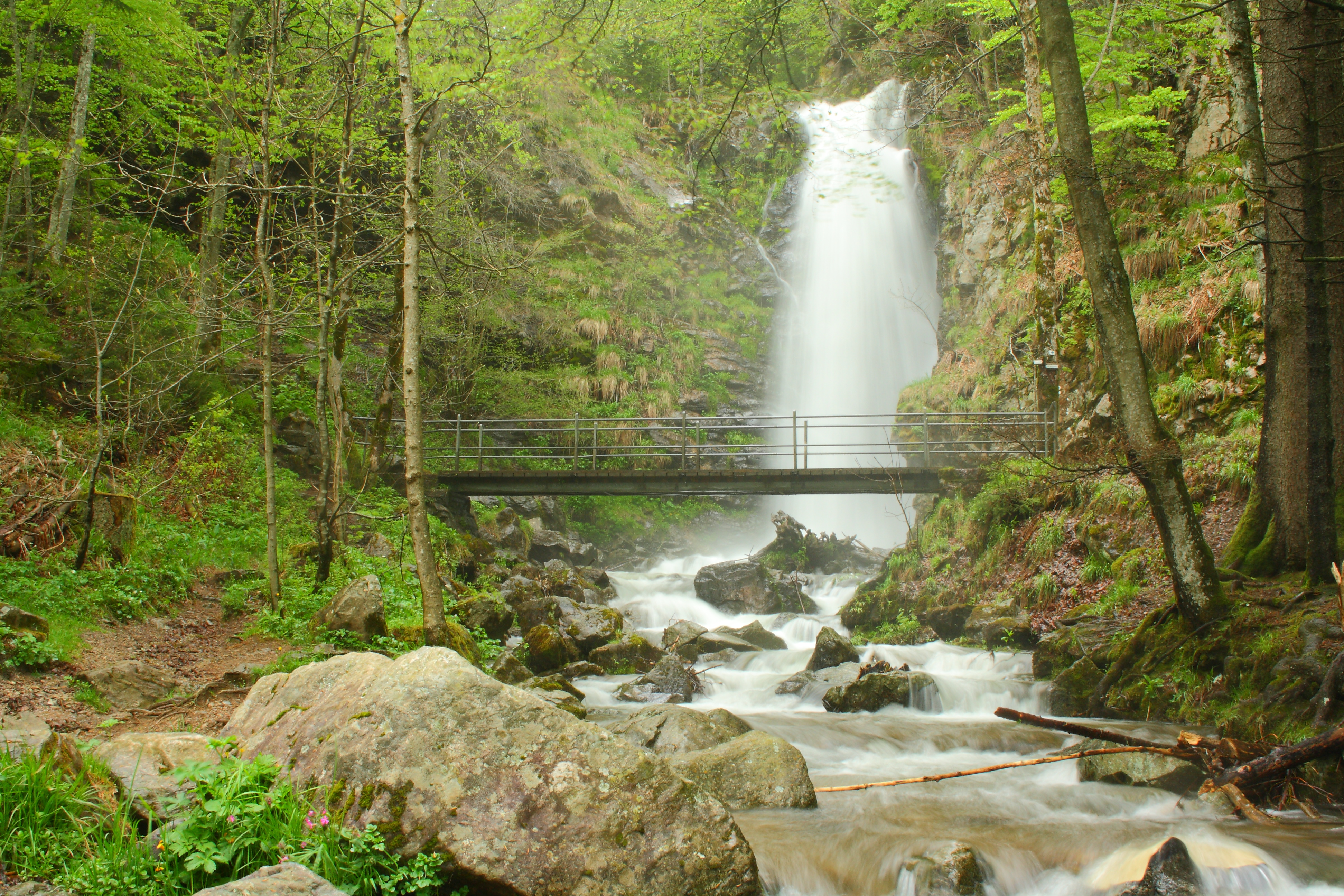
Germany, May 2015
Another time I came across this advice was with snowboarding, where the natural reaction is to look at the ground or your feet and inevitably the ground is where you end up. Keep your head up and your eyes looking ahead and it’ll help you stay on course.
Similarly when doing driving courses, look as far forward as possible, aim where you want to go and your actions will follow. Even when driving on the road, always look as far forward as possible, don’t brake when the car in front brakes, brake when the car ahead of them brakes, or the car ahead of them and it’ll make it easier.
Always focus on your objective, where do you want to be, what do you want to achieve. If this is always in your mind then your decisions will naturally help you move towards it.
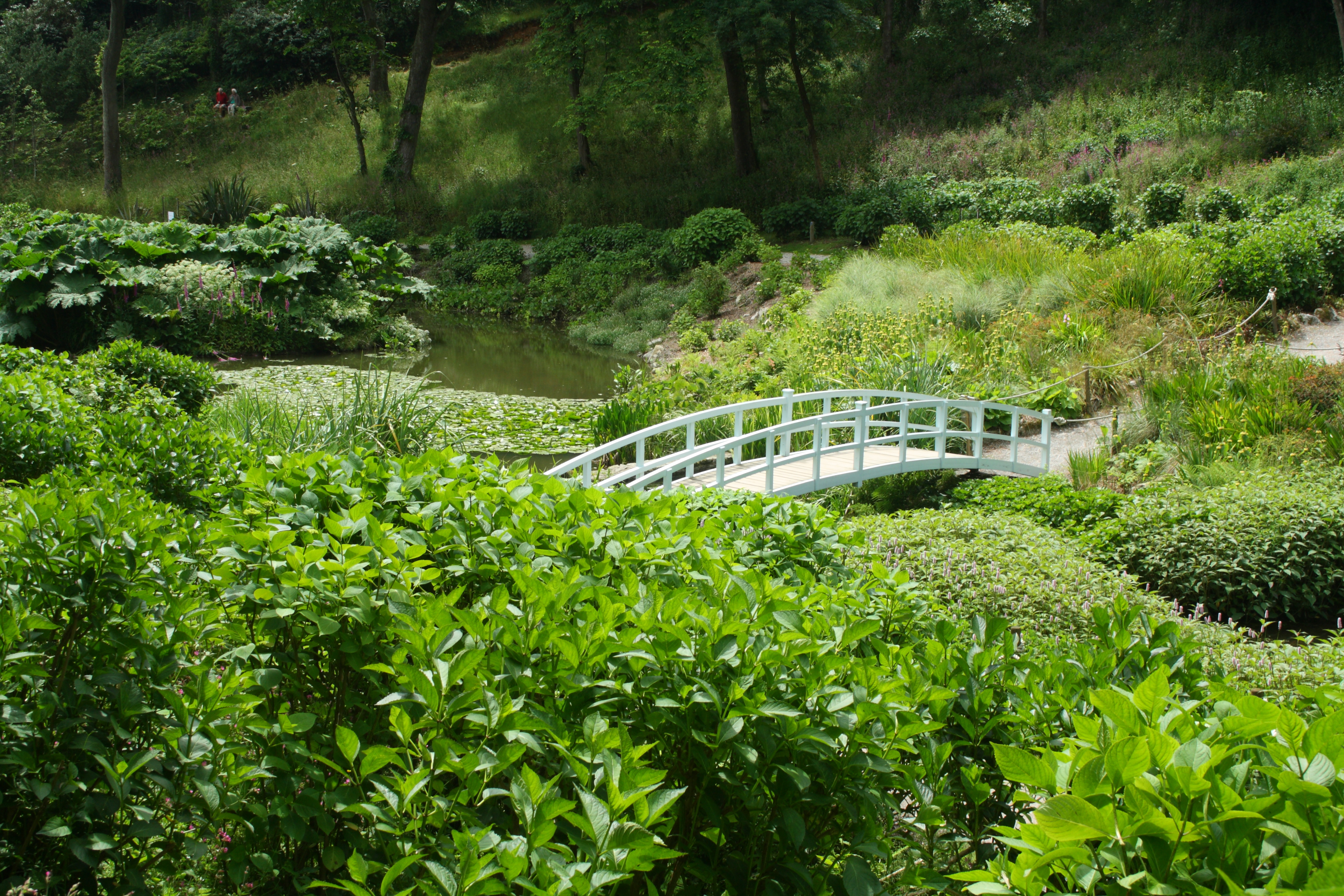
Cornwall, June 2013
Another piece of advice that comes from this:
“Be quick to forgive”
Look forward in time and decide whether you want this person in your life and the relationship you want to have with them. If you decide that they are a person that you want around then there’s no benefit to holding onto bad feelings. Let these go and move forward to a place where you can both be happy.
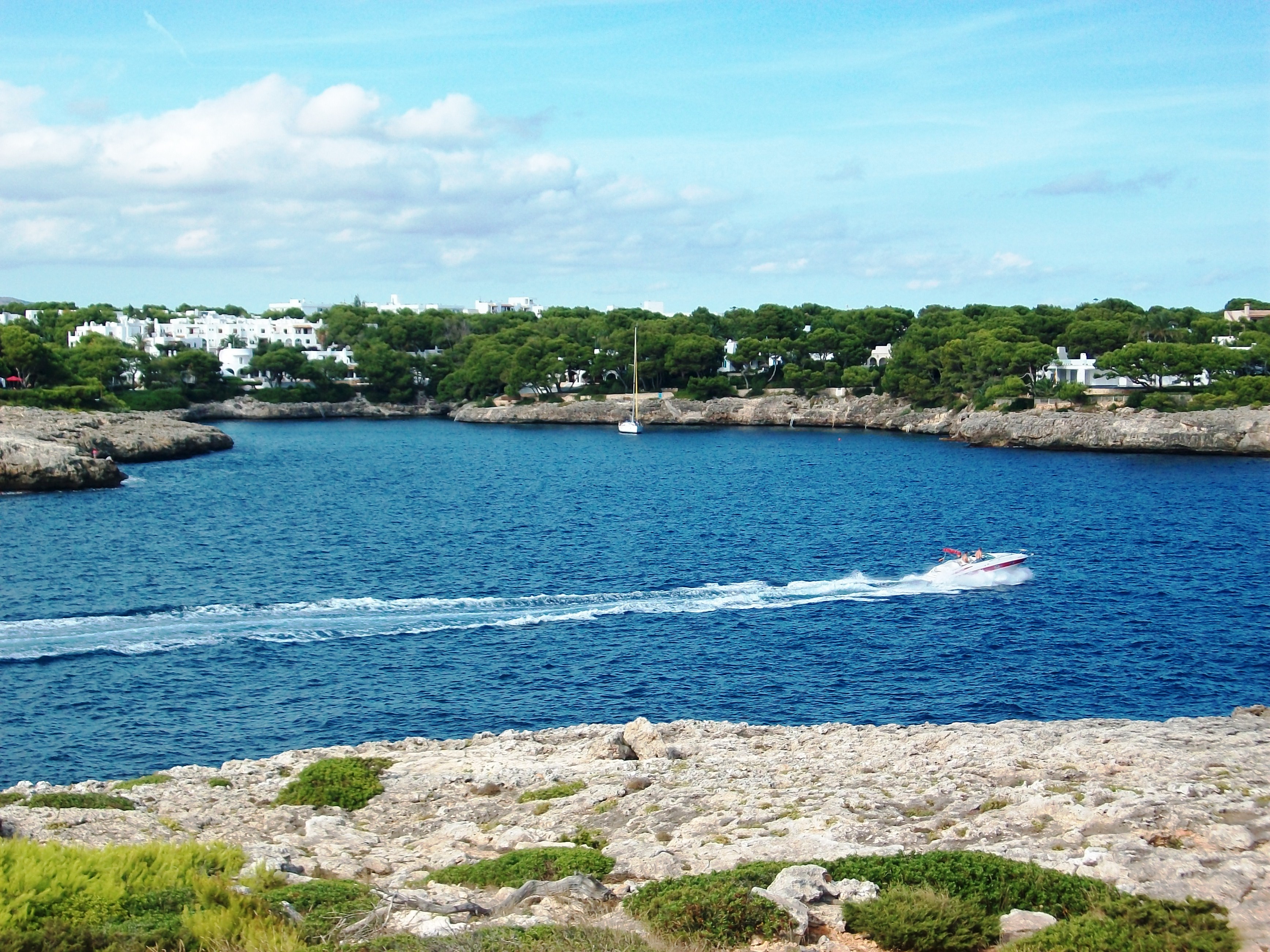
Majorca, September 2010
The best application of this advice that I have found is when trying to apply it to life. People say ‘forget the past’, but this is largely ignored and for good reason, no-one wants to forget everything and most people are not able to choose what they forget. I choose to apply it this way:
Don’t try and change the past. Recognise what you can change and you will be able to apply yourself to where you can have an impact.
Many times I have experienced, and see people experience, the mental challenge that comes with failure. When exams have gone badly it’s easy to think “I should have studied more”, “why didn’t I do more practice?”, “why didn’t I focus on that topic more?”.
What we need to be doing is asking ourselves “What can I change next time?”, “What do I need to do to pass this in future?”
Don’t try and change what has happened, focus on what you can do now.
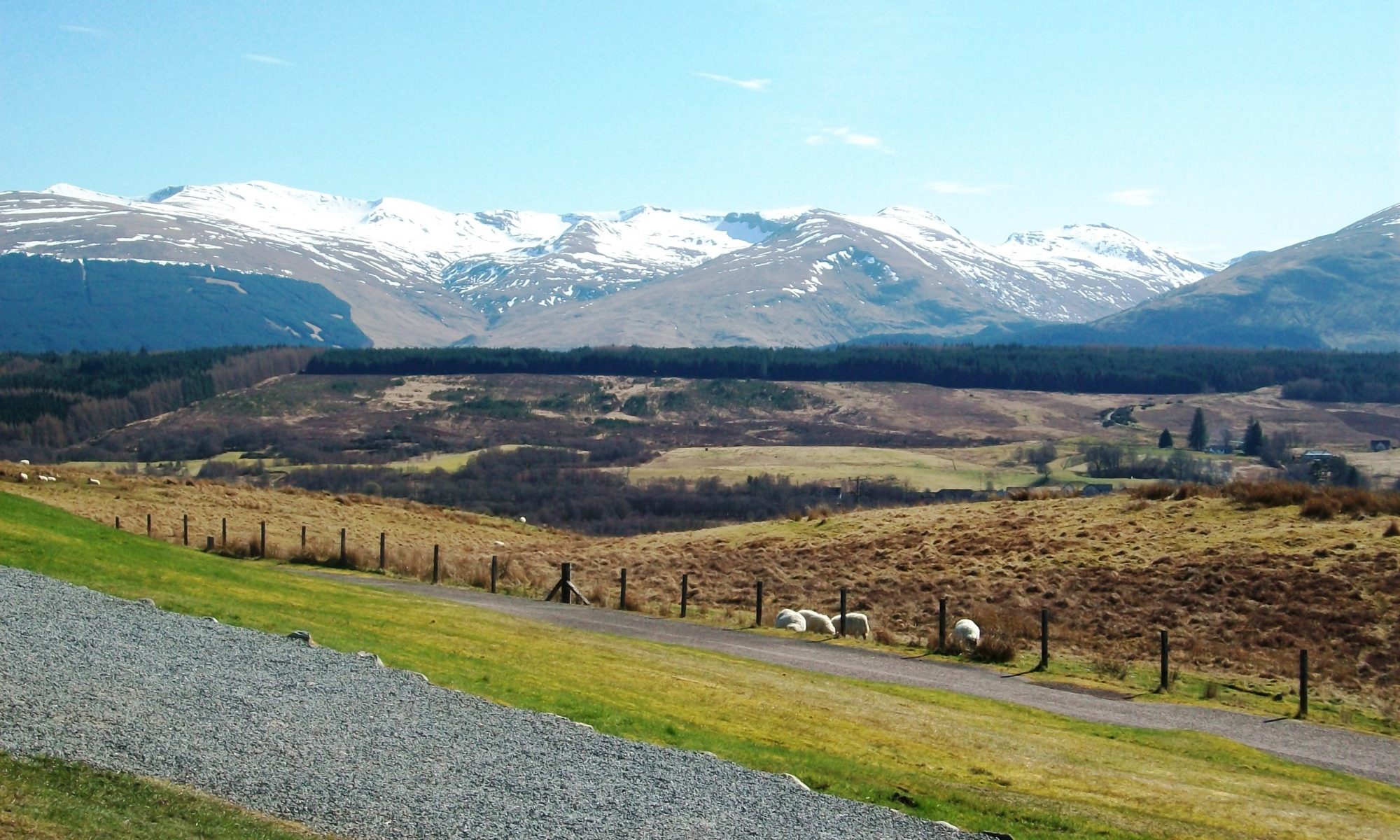
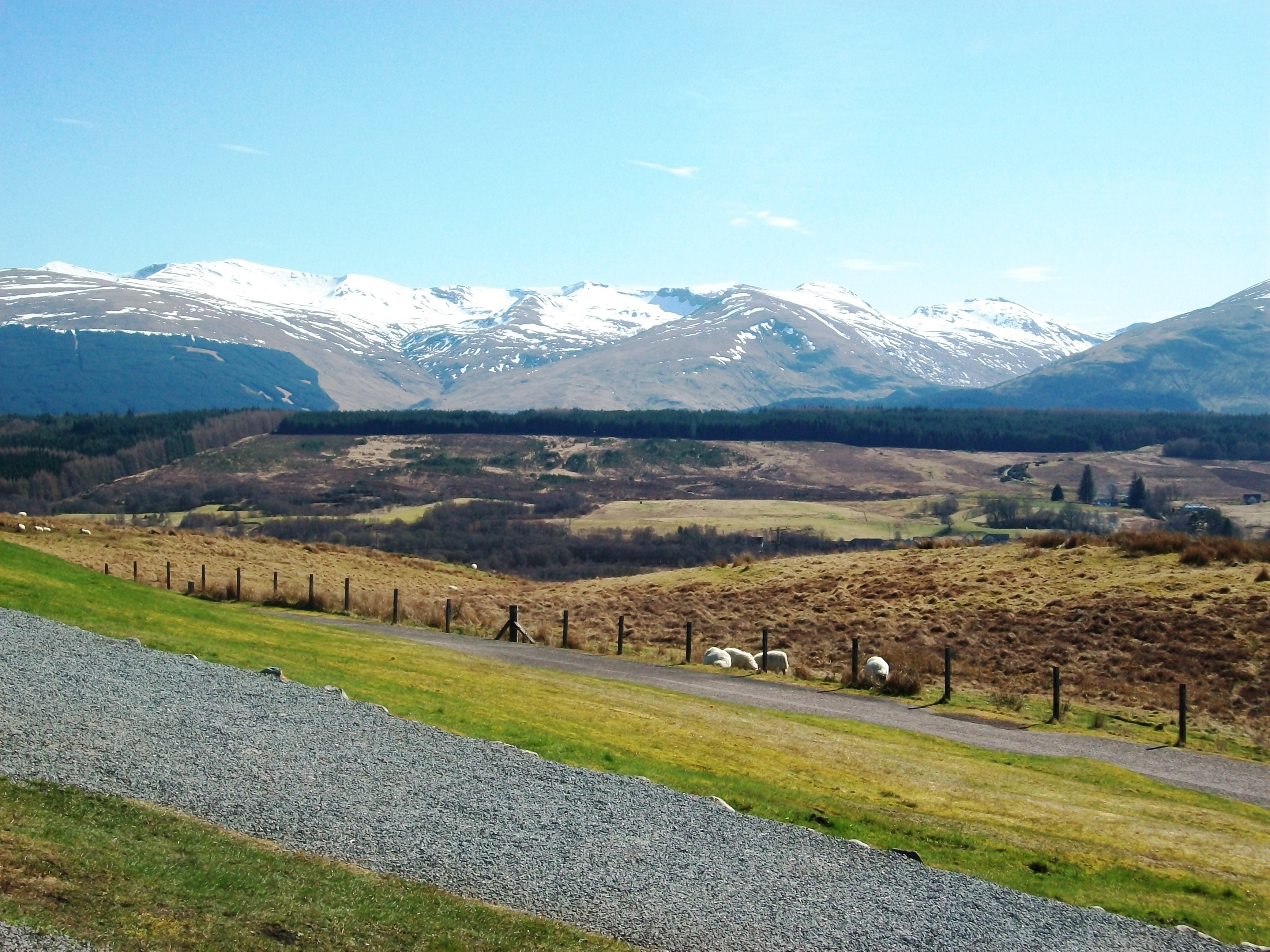
Scotland, April 2010
Remember every day to think about watching the horizon. There is no point in trying to change what you can’t. Always look ahead to what you want, to what you can achieve and how you can get there.
A town for tourists, quintessential South Italy town of sun, sea and lemons. A great base to explore South Italy…
Our first day in Sorrento was a short tour with our guide of the town itself. It is a delightful town perched on a small cliff above a couple of small marinas full of bars and sunbeds. The main high street is filled with souvenir shops, small antique shops, leather work and art shops, ice cream and limoncello, all the delights of Italy. If you’re looking for a picturesque Italian seaside town then look no further.
On the morning of day 6 we set out from our hotel towards Vesuvius. A short (albeit steep) hike over fine volcanic rock and sand took us up near the crater. The climb was tricky and while there was no smoke rising from the crater, the views were spectacular. It is really interesting travelling up the volcano and seeing the devastating effect it can have, with scorched woodland and solid lava flows all around.
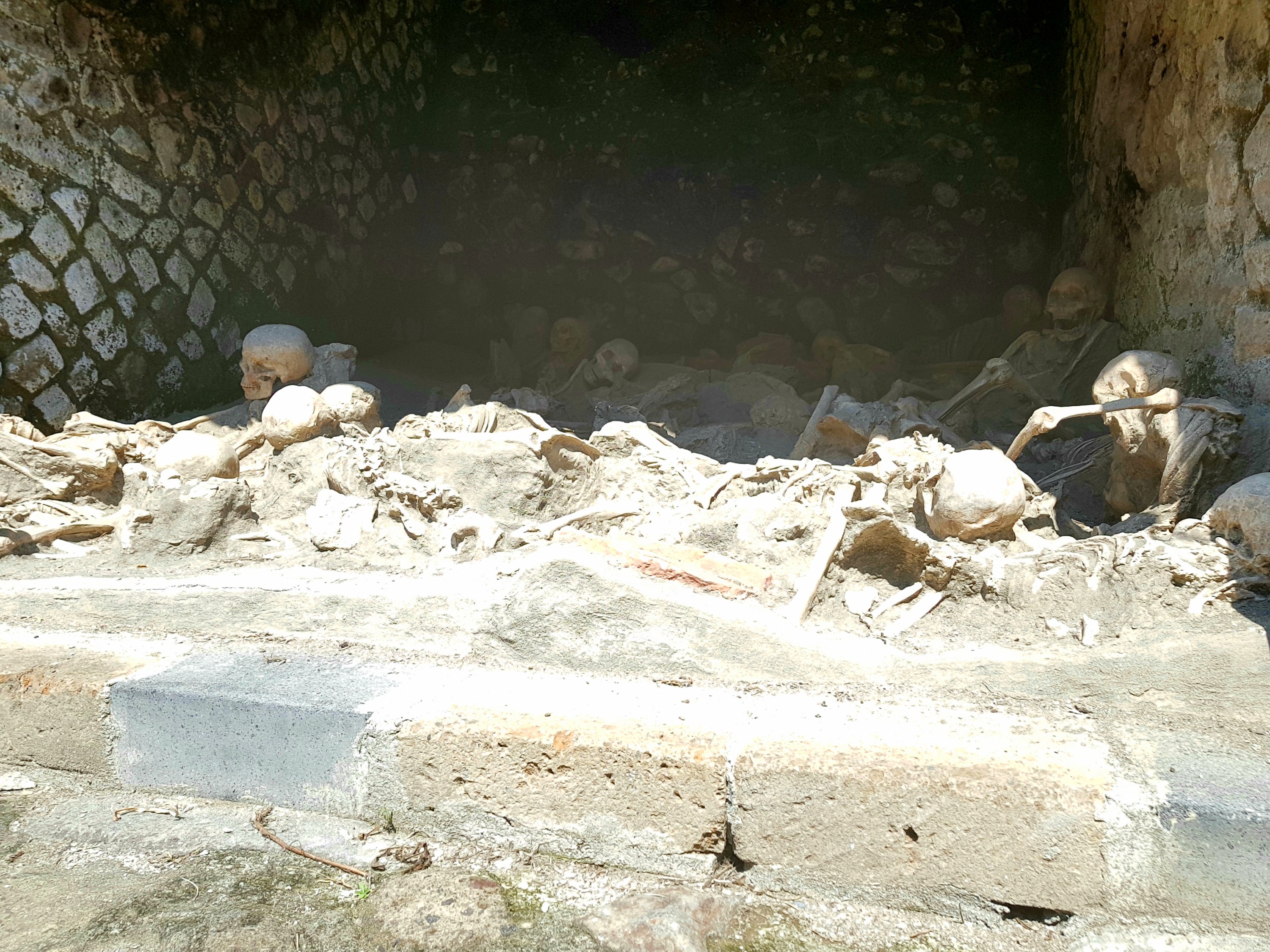
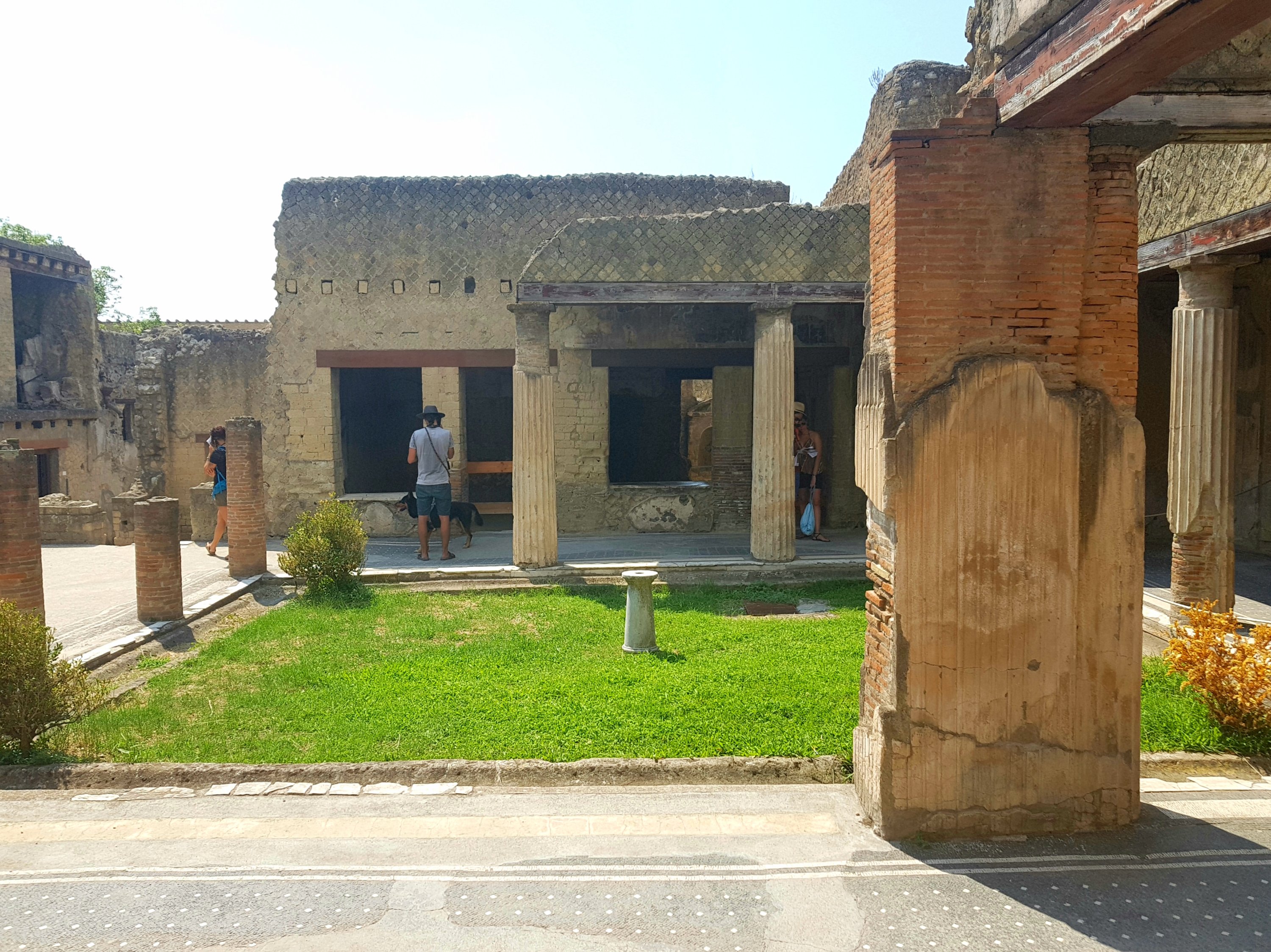
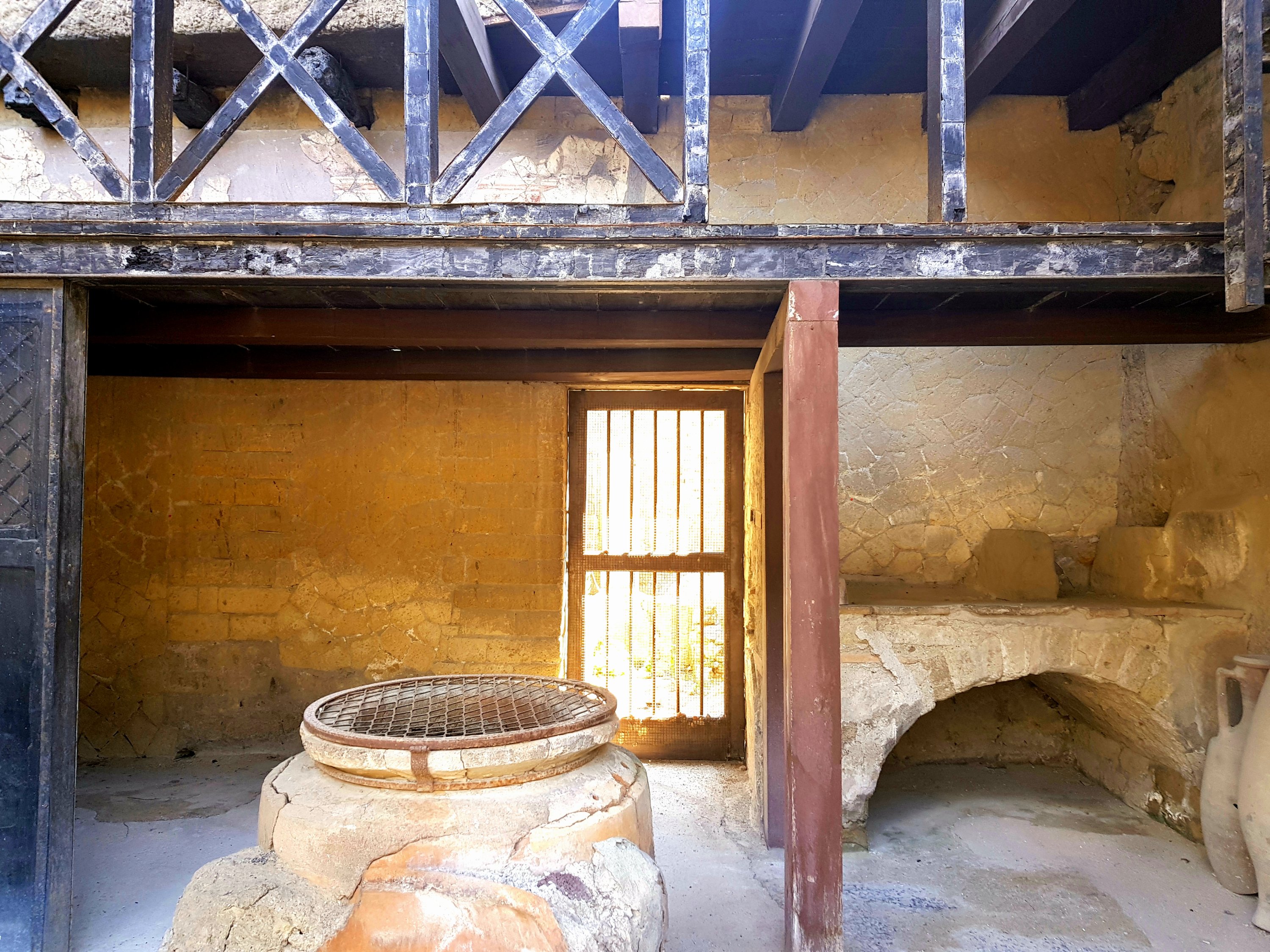
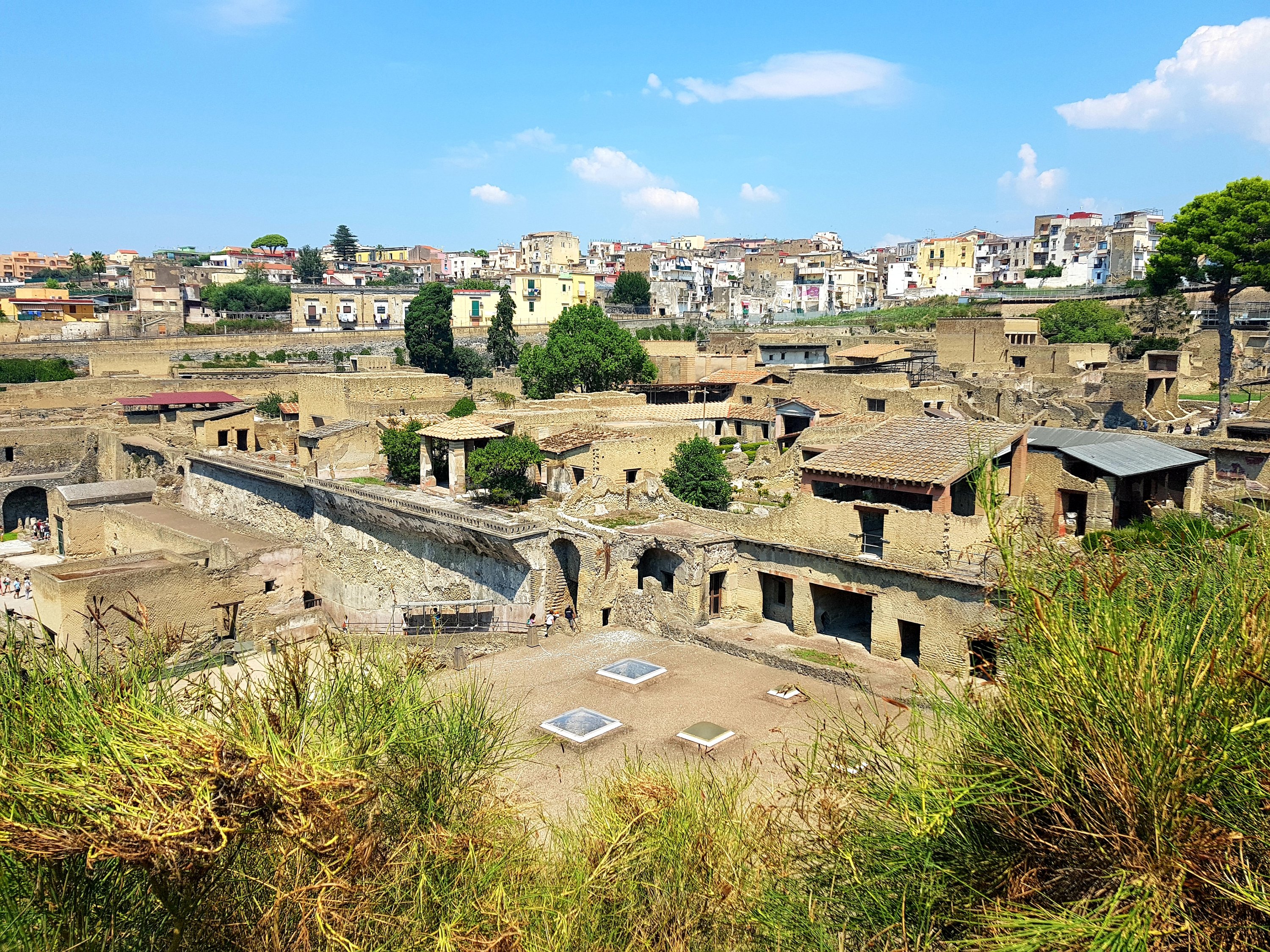
After Vesuvius we made a quick stop for lunch and then headed to Herculaneum, the smaller of the two main archaeological sites in the bay of Naples (the other being Pompeii of course). This was destroyed in the eruption of Vesuvius in 79AD, along with Pompeii however most argue that Herculaneum is the better preserved. This is because Herculaneum is closer to the volcano than Pompeii, as such Pompeii was hit by a lot of falling rock that was thrown up into the sky while Herculaneum was likely destroyed by the lava flows themselves, preserving more of the structures. The most emotional scene was the boathouses, where over 55 skeletons were found waiting to flee the city by sea.
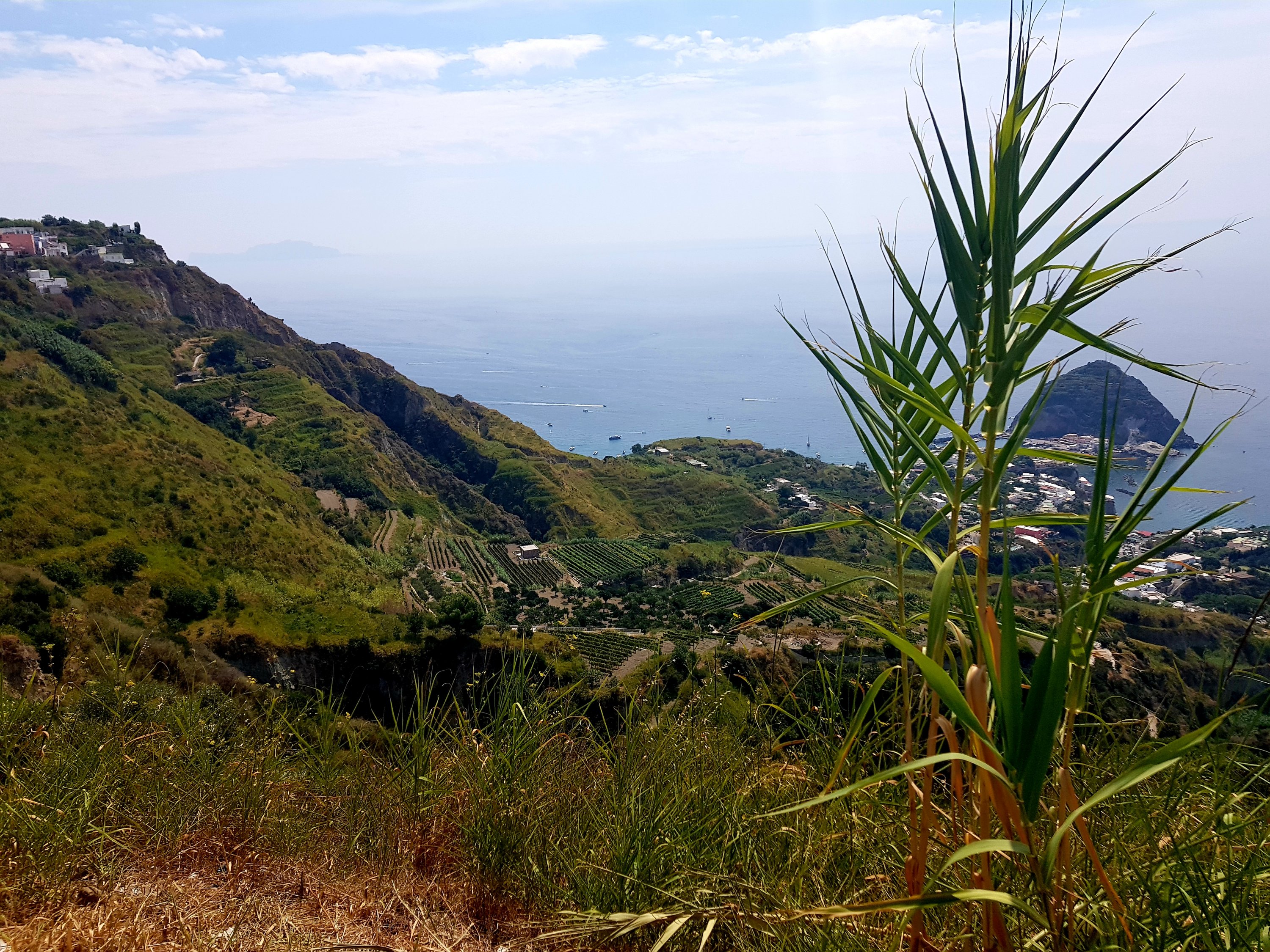
Another day in Sorrento we set out on a ferry to the island of Ischia. Not as famous as the millionaires playground Capri but very beautiful and worth the day trip. We spent the first half of the day catching the ferry over and exploring the Island and the views from the top. Again these were just spectacular and the weather and scenery were beautiful. An interesting sight in Ischia is the houses which are often carved from the rock face on the hillside, rather than being built above ground, giving the impression of Hobbits or other fantastical dwellings.
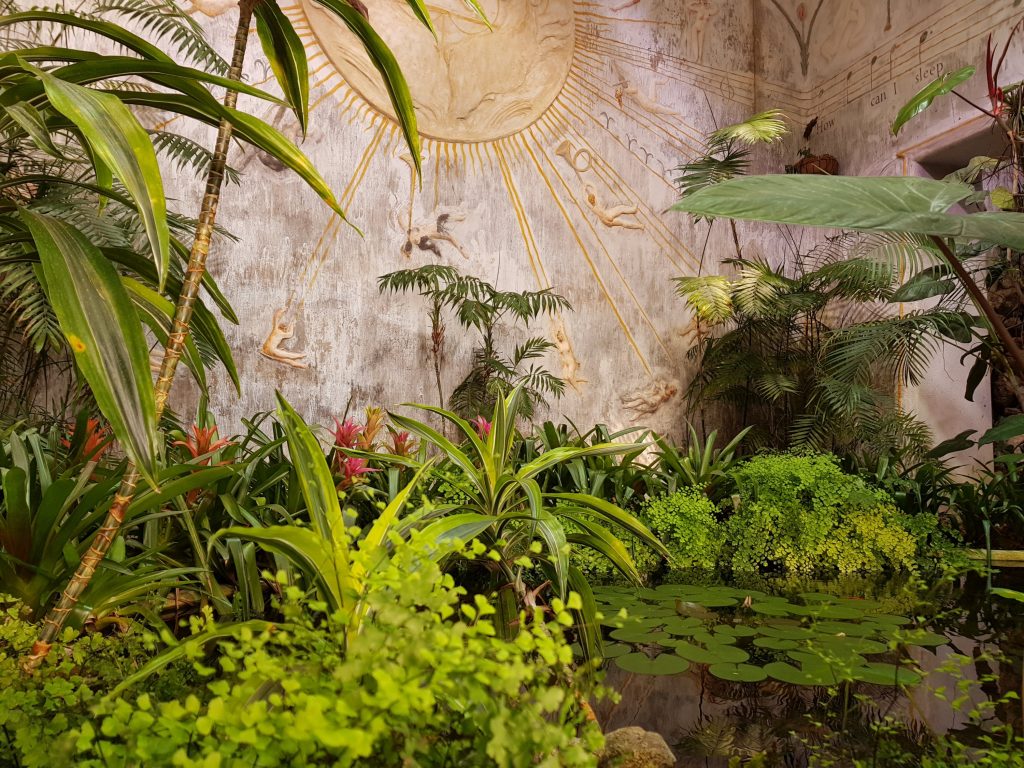
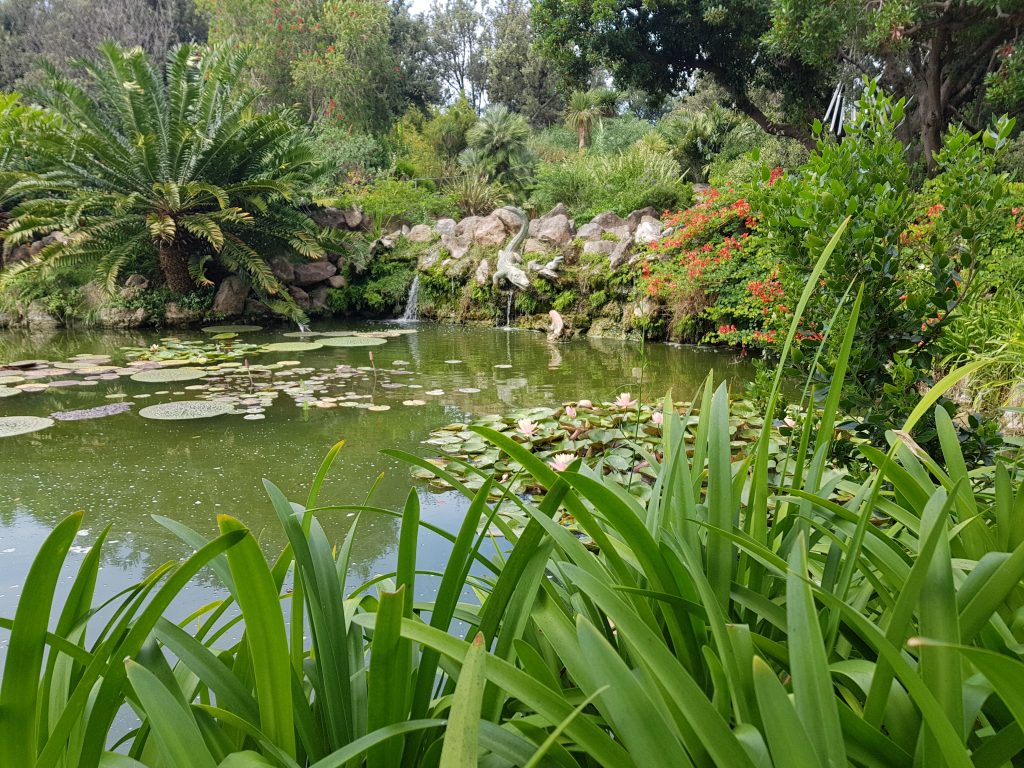
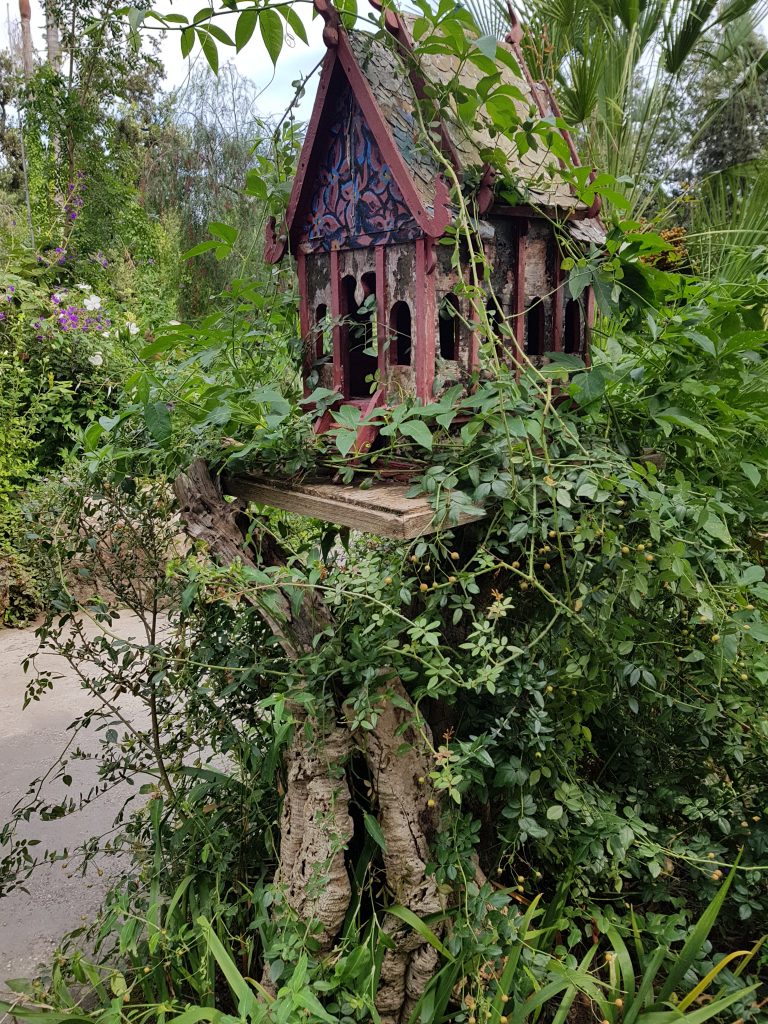
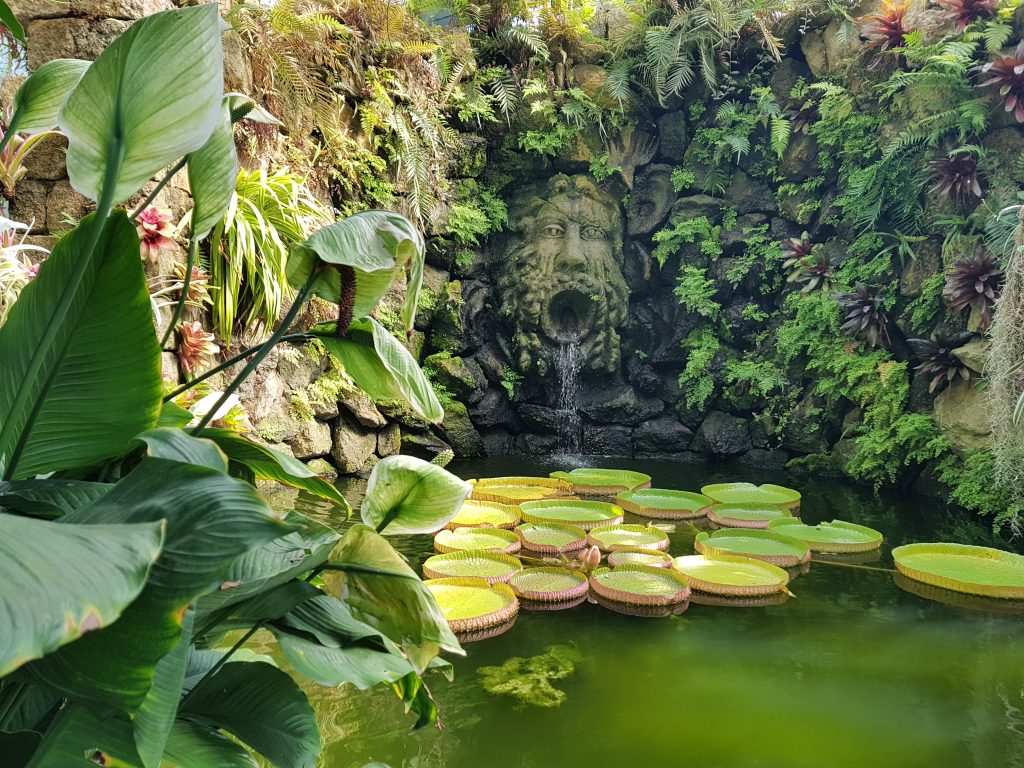
Then we headed to Giardini La Mortella, a tropical garden developed by the wife of Sir William Walton, the British composer. If you like gardens or just fancy a peaceful place to relax then I definitely recommend exploring the gardens. There are lots of interesting species including an orchid house, some beautiful displays and water features, and a small aviary full of tropical birds.
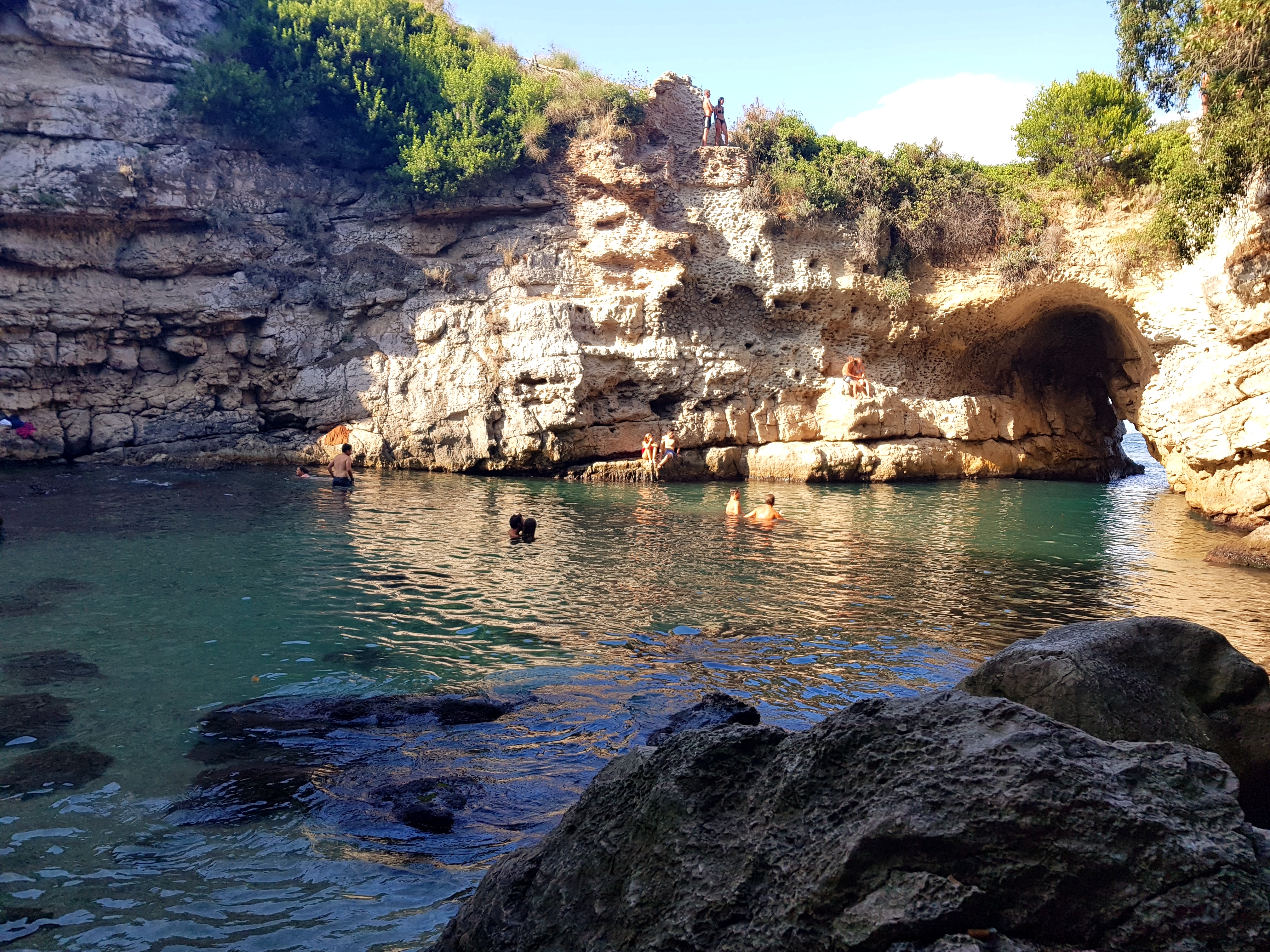
The rest of our time in Sorrento was spent relaxing by the pool or beach, including a quick wander to the Baths of Queen Giovanna, a set of small ruins with a little picturesque blue cove.
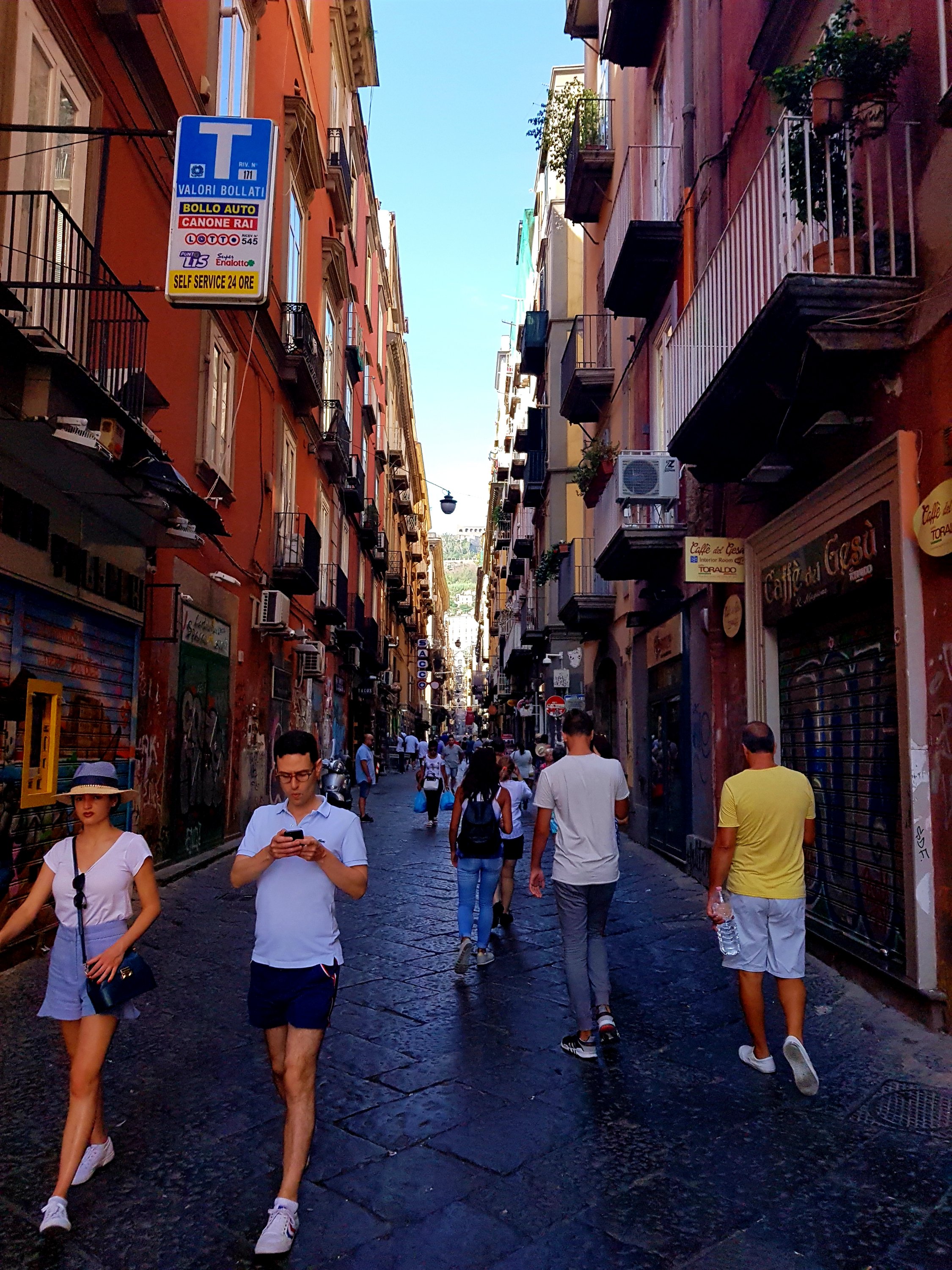
First impressions of Naples, shutters and graffiti befitting a post-apocalyptic suburban warzone…
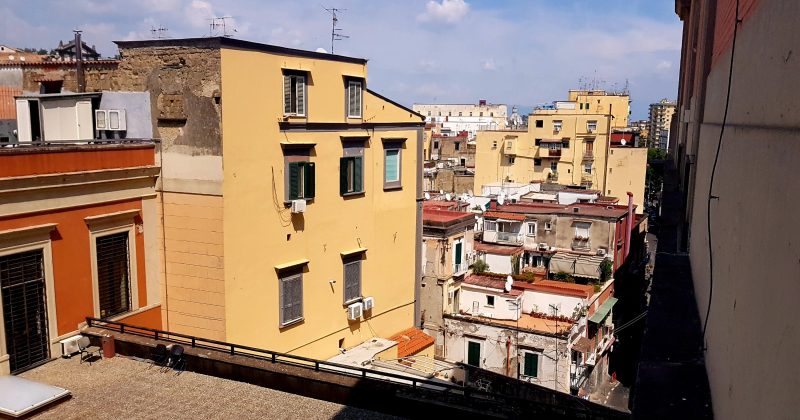
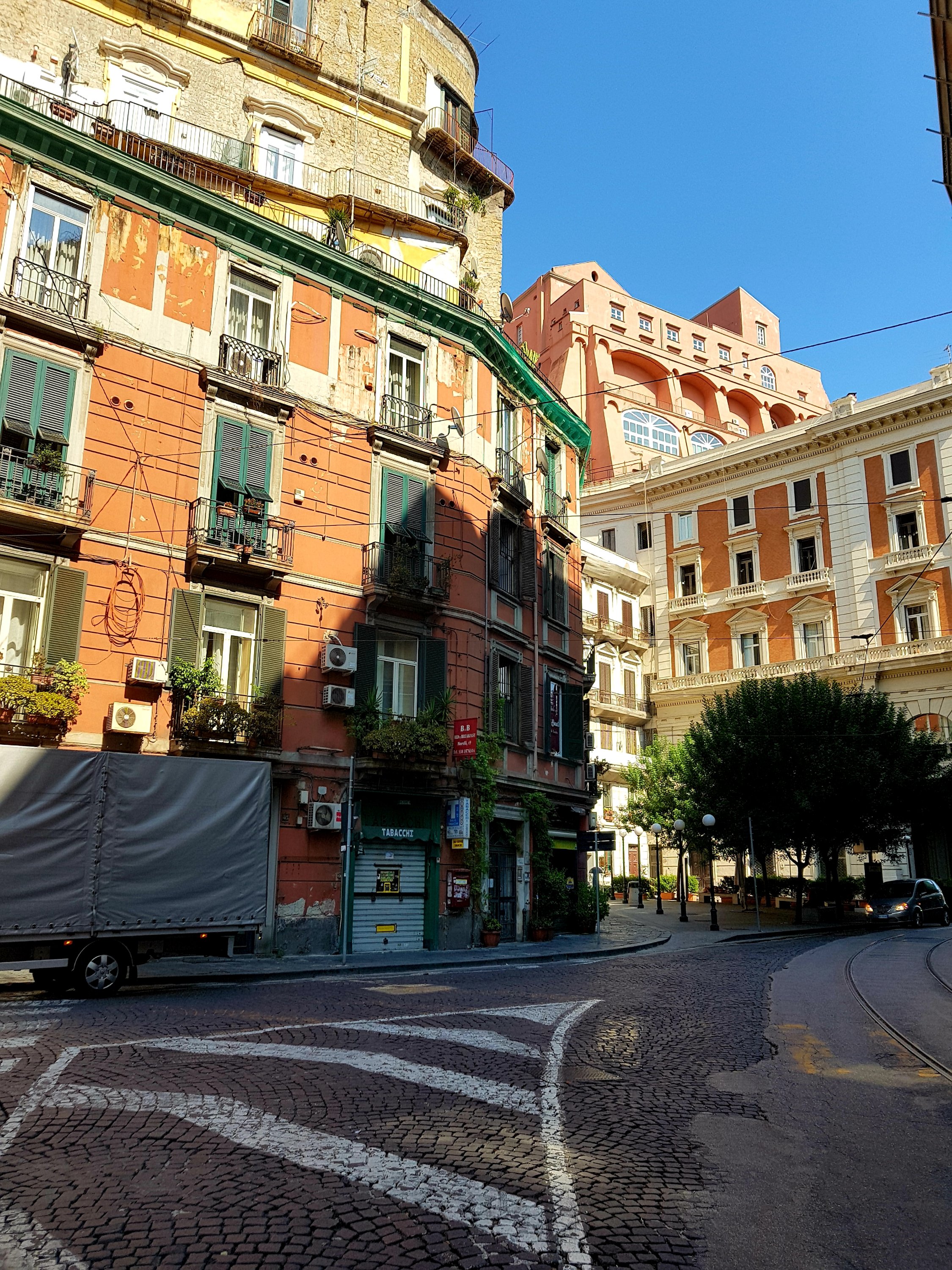
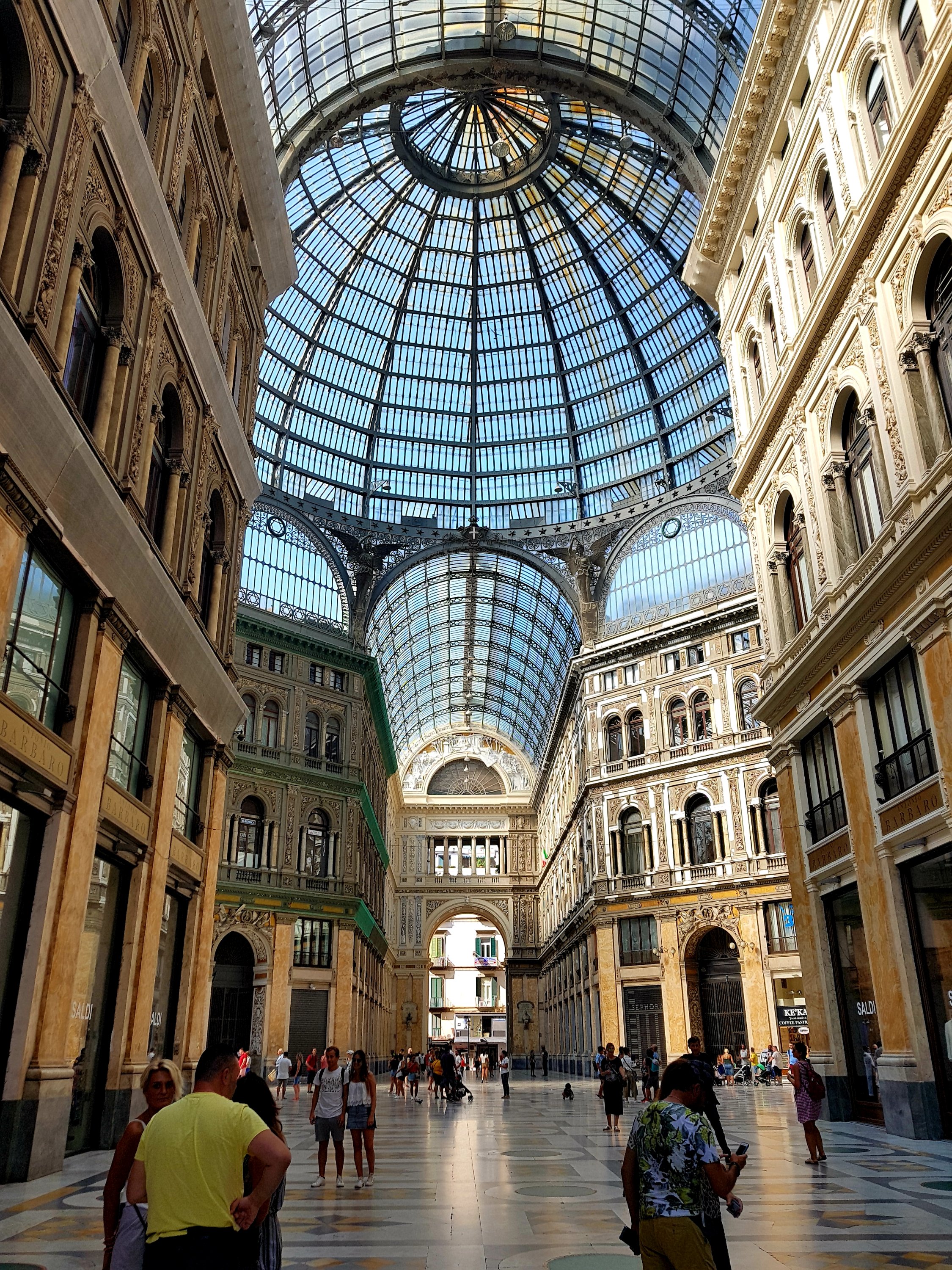
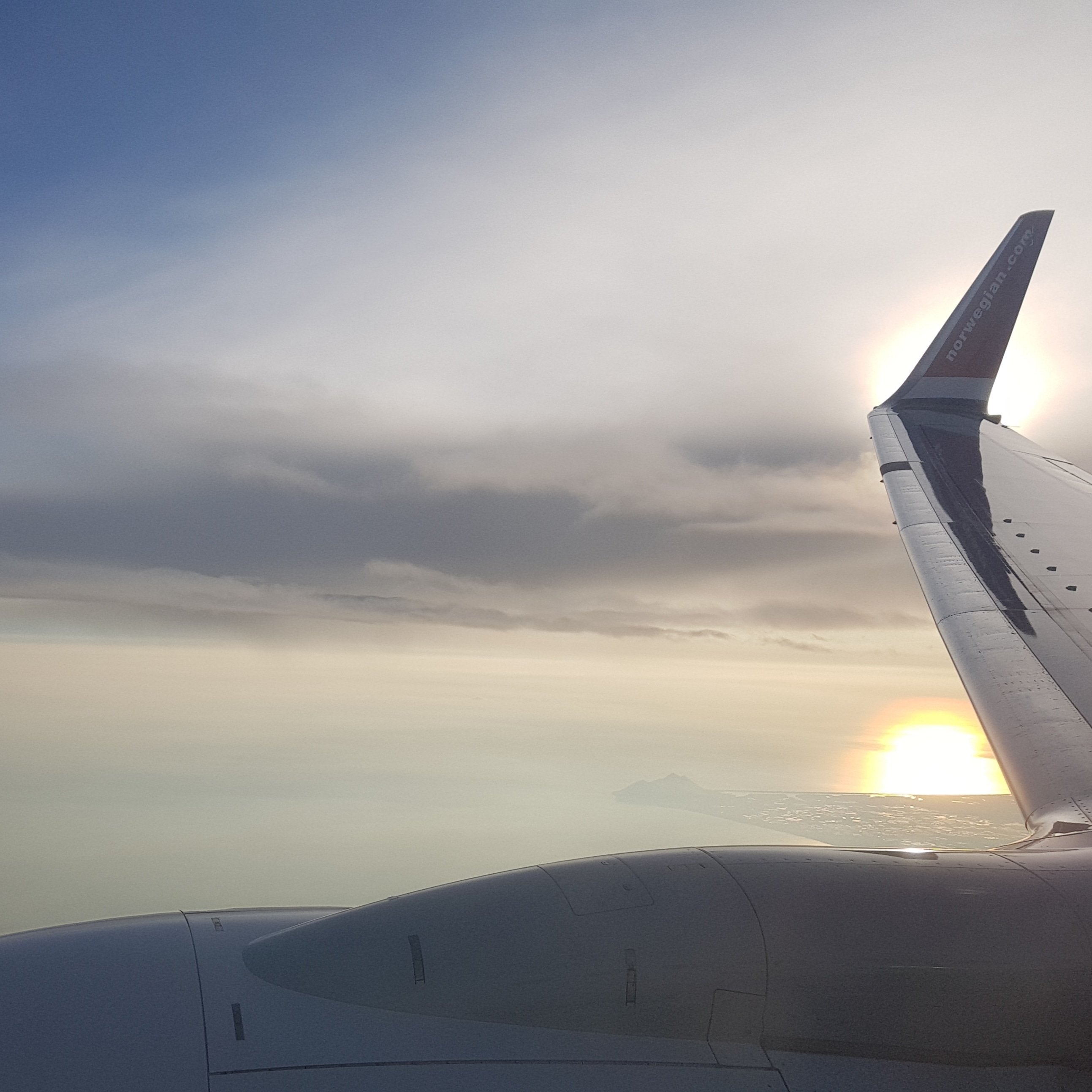
Not the best start to a holiday but don’t stop reading just yet. Our first experience of Italy was the view from the small plane window as we landed. Colourful flats and apartment buildings squeezed together reminiscent of old middle eastern cities. Much of it overgrown appearing to be reclaimed by nature and always with Vesuvius standing watch over the city. After landing we got into our transfer car and proceeded on a most unpleasant journey, what became our first experience of drivers and traffic in southern Italy. Suffice to say it was frightening. As well as the speed, near misses and engine warning light there was the city going past out the window; shutters, graffiti and overflowing rubbish gave the impression of a Mafia ruled Gotham City. Little did I know that in the daylight this would become a unique part of the cities charm.
After settling at the hotel we decided we should avoid venturing too far and find the nearest restaurant. Just down the road was a pizzeria which became our first experience of Italian food. A menu board out front with subtitles in English, while questioning the authenticiy, beconed the weary tourist. There were 2 major experiences from the meal:
Italians understand gluten free (just say “senza glutine”)
Limoncello is simple but delicious
After dinner we went for a brief wander before returning to the hotel to get a good nights sleep.
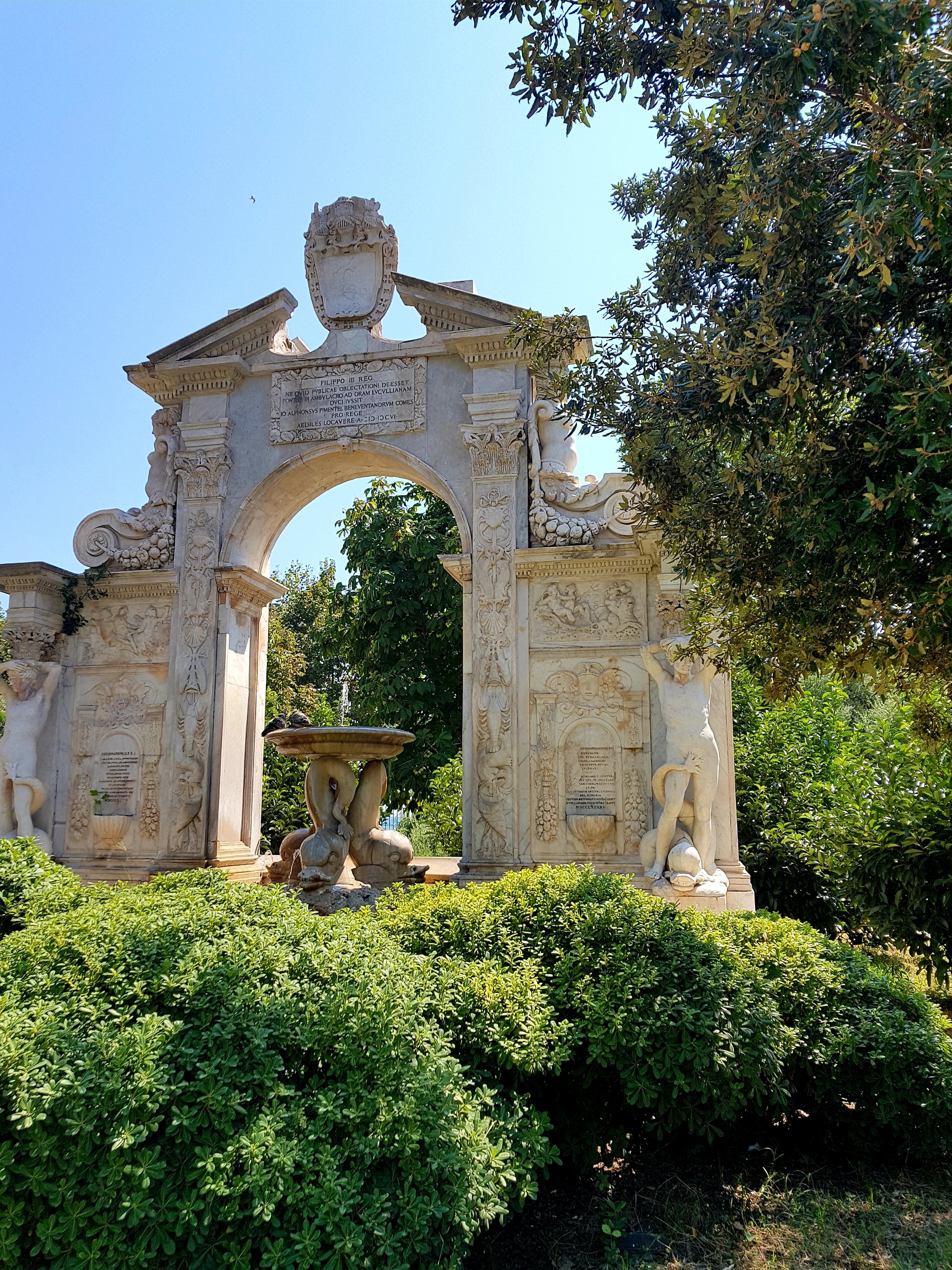
On to day 2 and with only two full days in Naples we had to rush to see everything like a pair of meerkats on a lion safari. In the daylight another world from that we experiened the night before appeared, and the longer we wandered and let ourselves sink into this new world, the more we felt we understood it.
Turning into a small alleyway, our first stop was Madre, the museum of modern art. Walking in the front we’re presented with a display of colourful papier mache figures, a somewhat disconcerting greeting. It is a big place with a great variety of beautiful, evocative and thought-provoking pieces. My favorite piece was a sheet of complete black that reflected no light, I got lost in the depth like I could fall into it and keep falling forever. Another was a wall made of wrought iron girders and glass, behind which was a huge rusty anchor. I could practically smell the ocean.
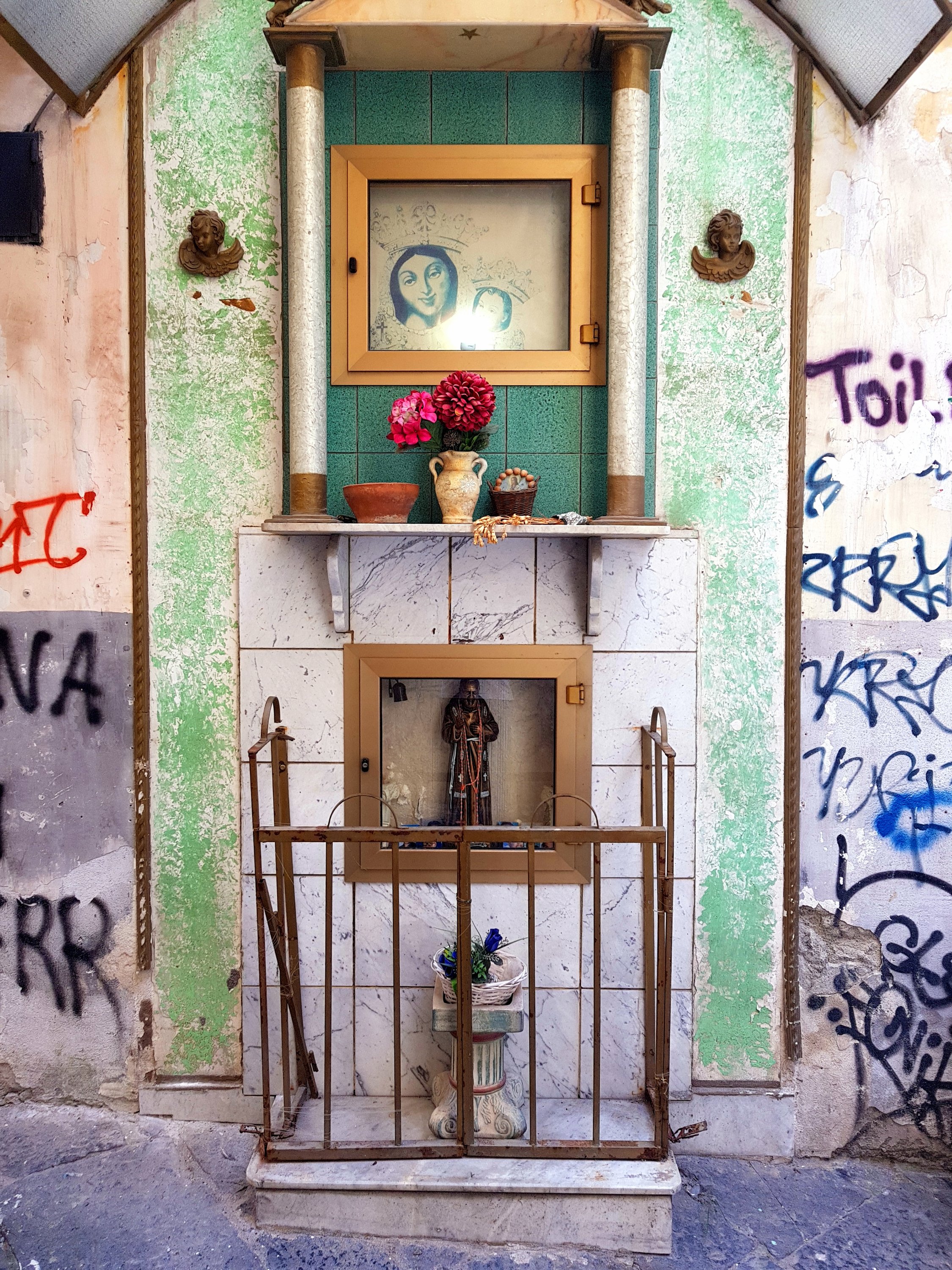
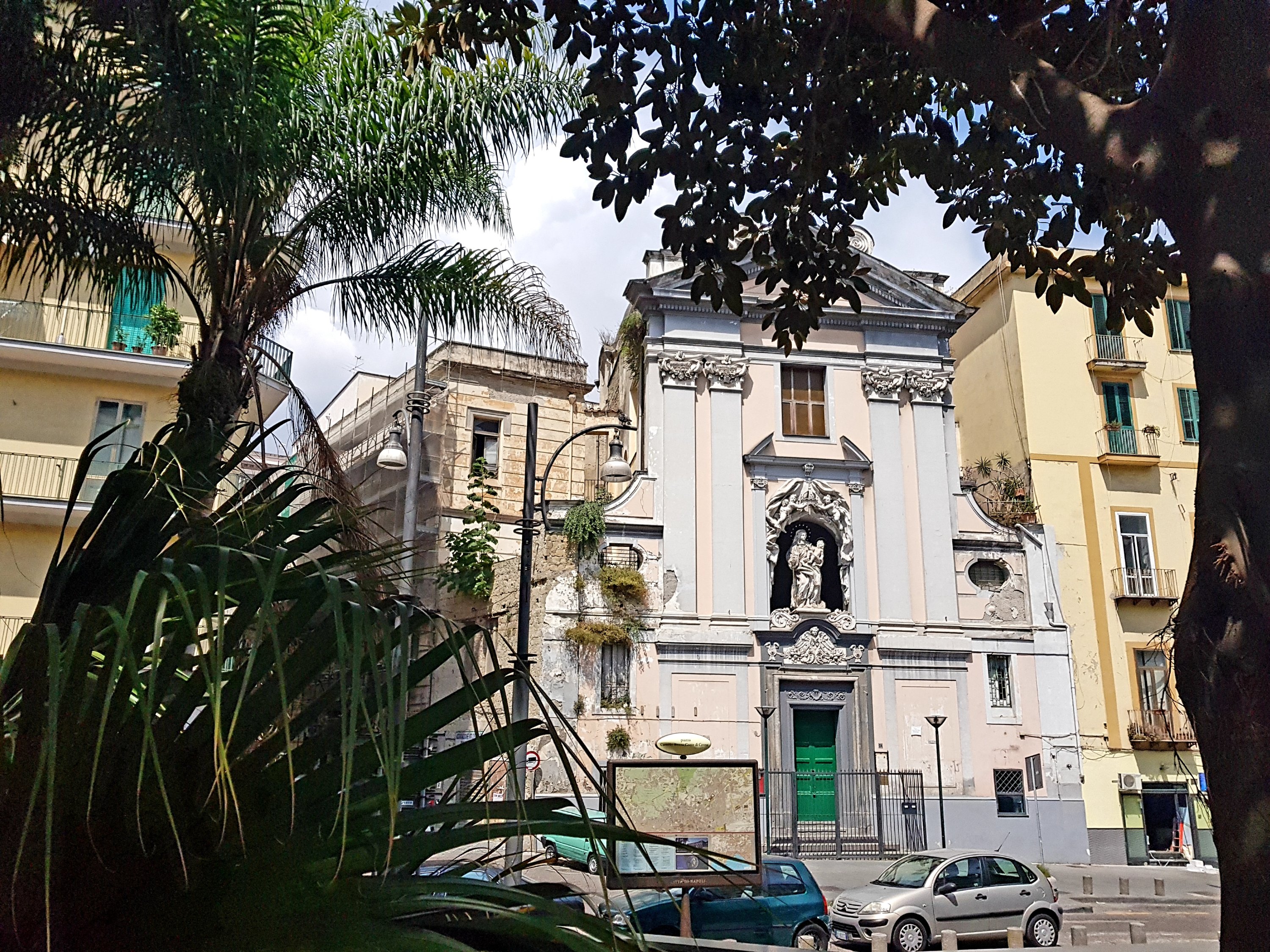
The more we wandered, the more we noticed an interesting part of the Napoli landscape. Small shrines (Edicola Votiva) covered the city, on every small street and back alley. It’s no secret that the Italians have a strong religious history and culture and these shrines embody that in a beautiful way.
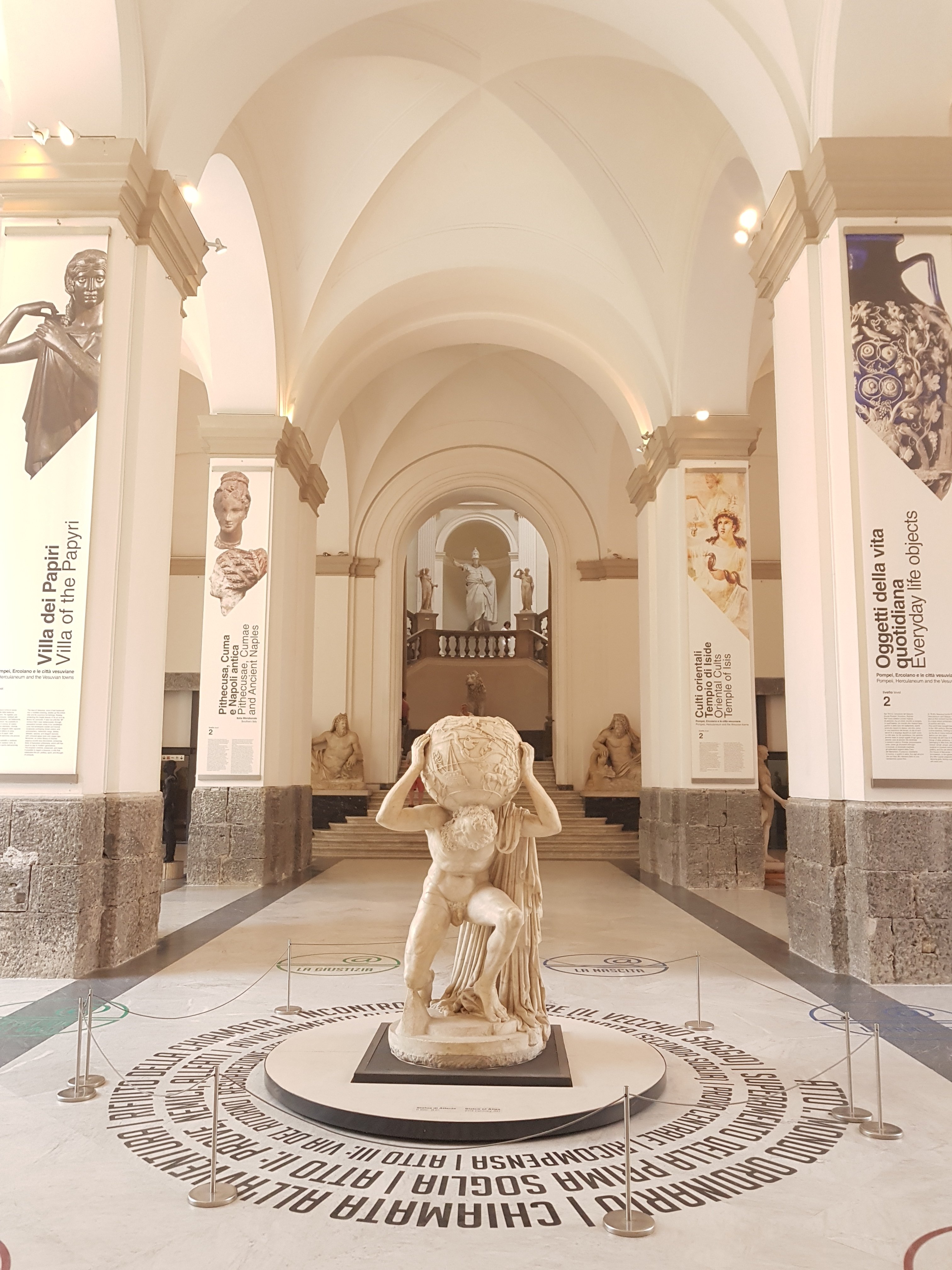
Next we took a short walk to the Museo Nazionale di Capodimonte, the National Archeological Museum. The museum contains a lot of the artifacts recovered from Pompeii and Herculaneum, statues, frescos, mosaics, stone and ironwork. A rich tapestry (or should that be mosaic) of such well preserved history. They also have an extraordinary Egyptian exhibit. Top tip: leave plenty of time as the place is very big and there is a lot to see and learn about.
Our next stop later in the afternoon was Napoli Sotteranea, a labyrinth of underground tunnels with a history dating back to the original aqueducts of the city, through to World War 2 air raid shelters. The story of the aqueducts and the people who worked them is extraordinary and the guides are excellent. A must see in the city as long as you’re not claustrophobic.
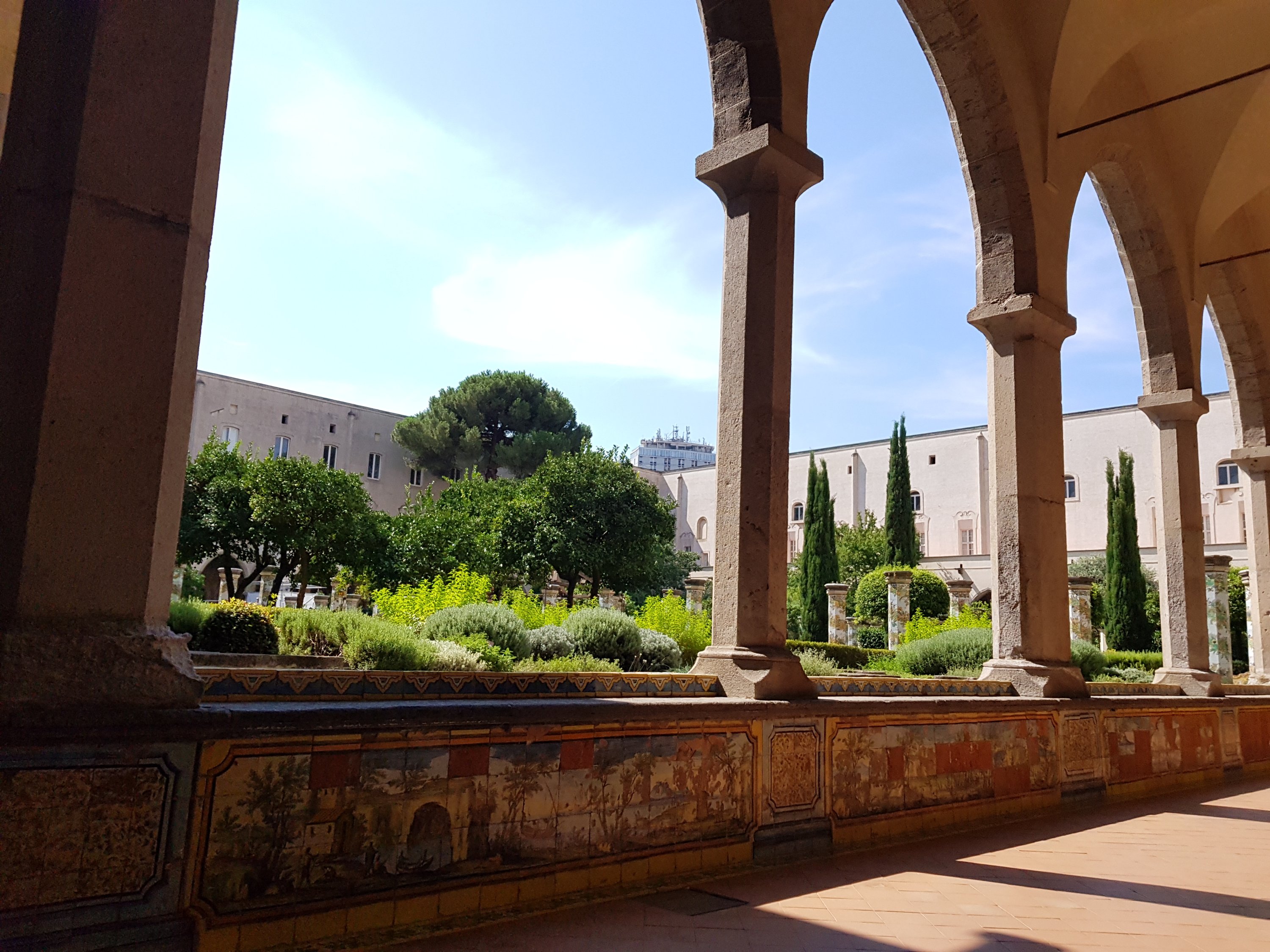
The start of day 3 saw a trip to the Complesso Monumentale di Santa Chiara, a beautiful monastery in Naples, a beautiful place to relax and let the soul recover for an hour or two.
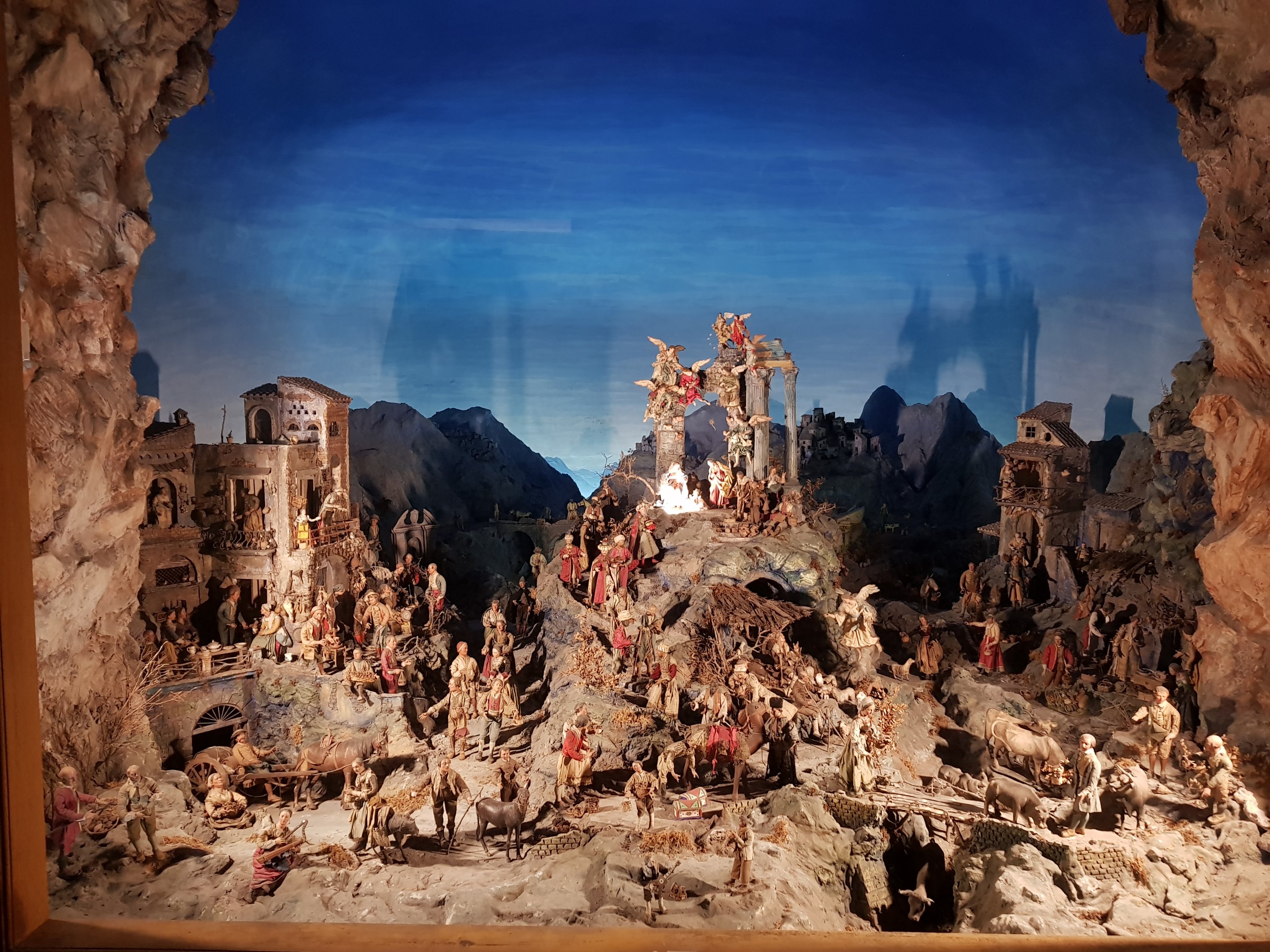
A big part of Naples is their nativity scenes. The best example we saw was in the monastery itself, a 200 year old scene the size of a small room. The detail is incredible.
If interested in the nativity scenes (even if not), then via San Gregorio Armeno is the street of nativity scene makers. A bustling street full of intricate ornate designs. Not like the nativities you might expect or be used to, the Italians incorporate everyday people and their own experiences and viewpoints into their nativities.
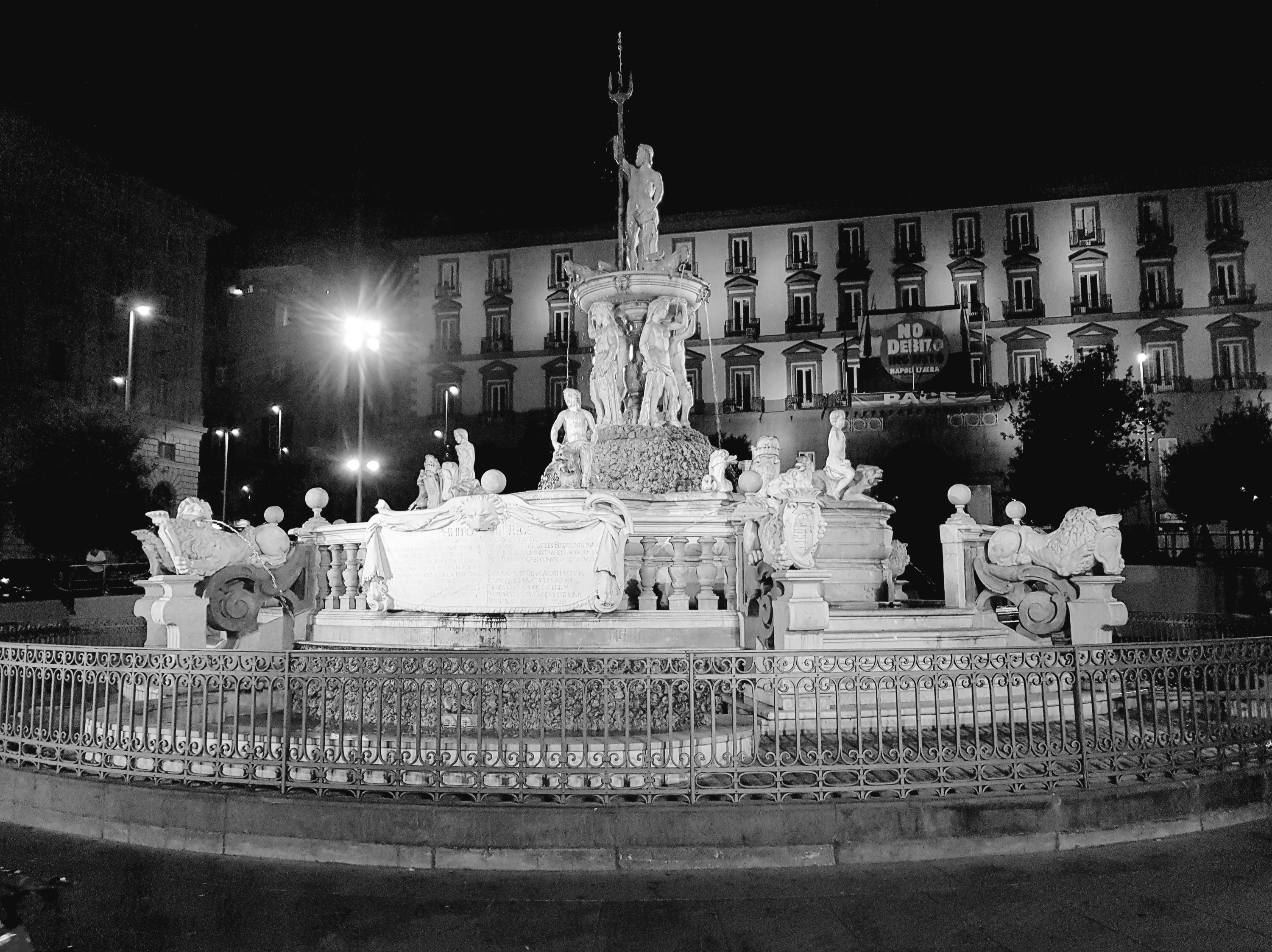
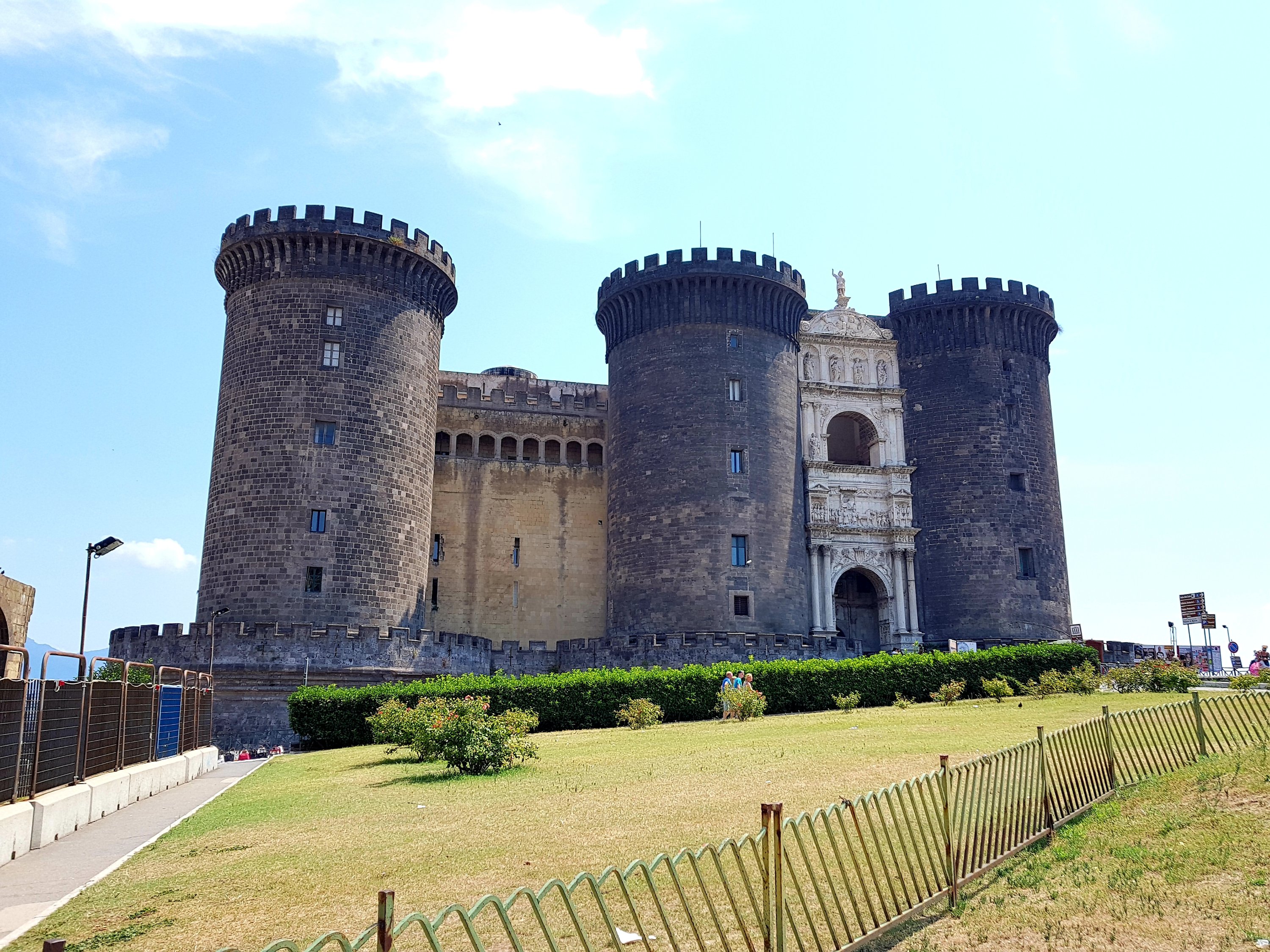
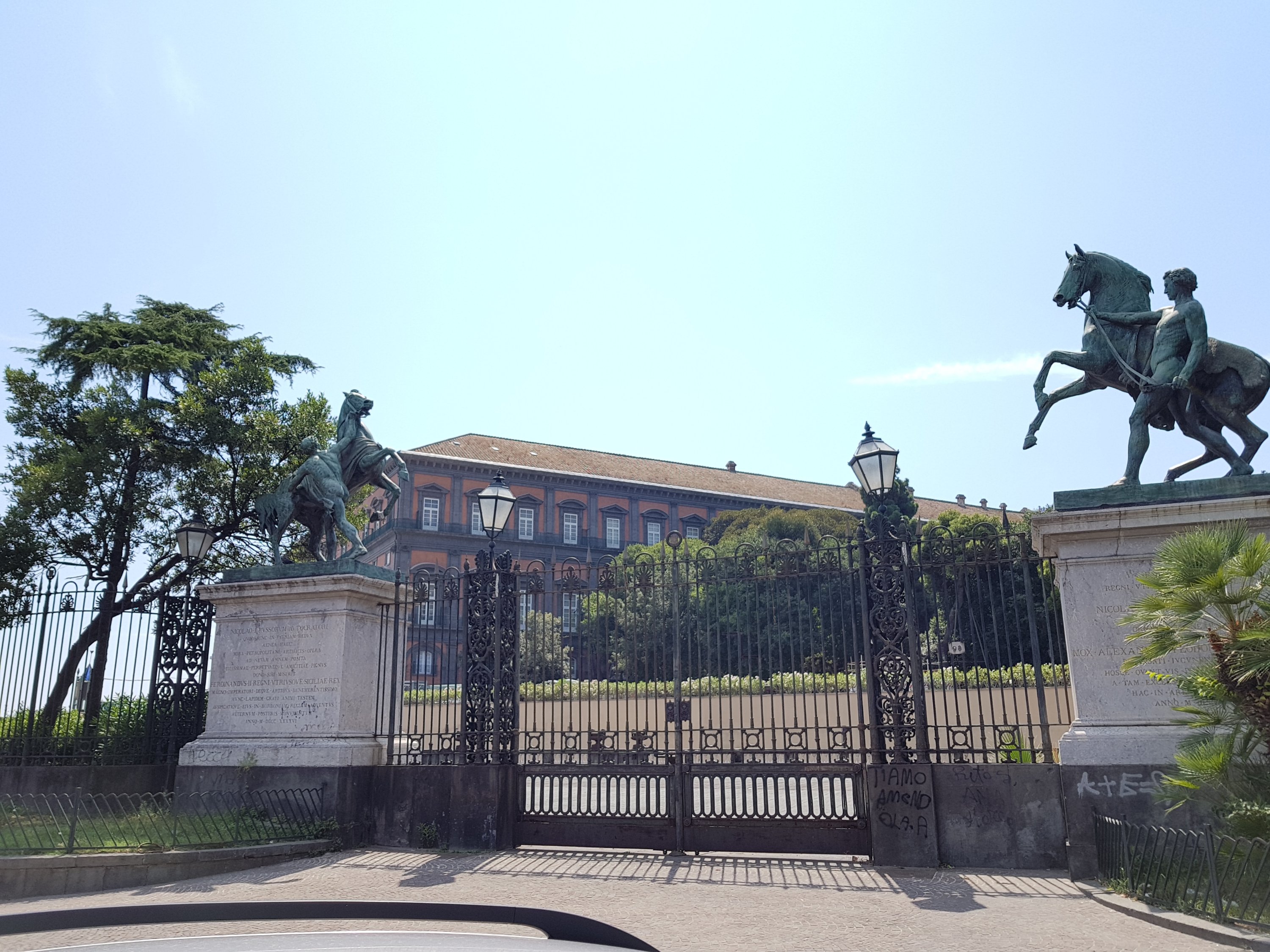
For the remainder of the day we wandered around the old town. Unfortunately we didn’t have time to visit some of the other top attractions in Naples such as Castel Nuovo and the Royal Palace of Naples, though we did our best to see them.
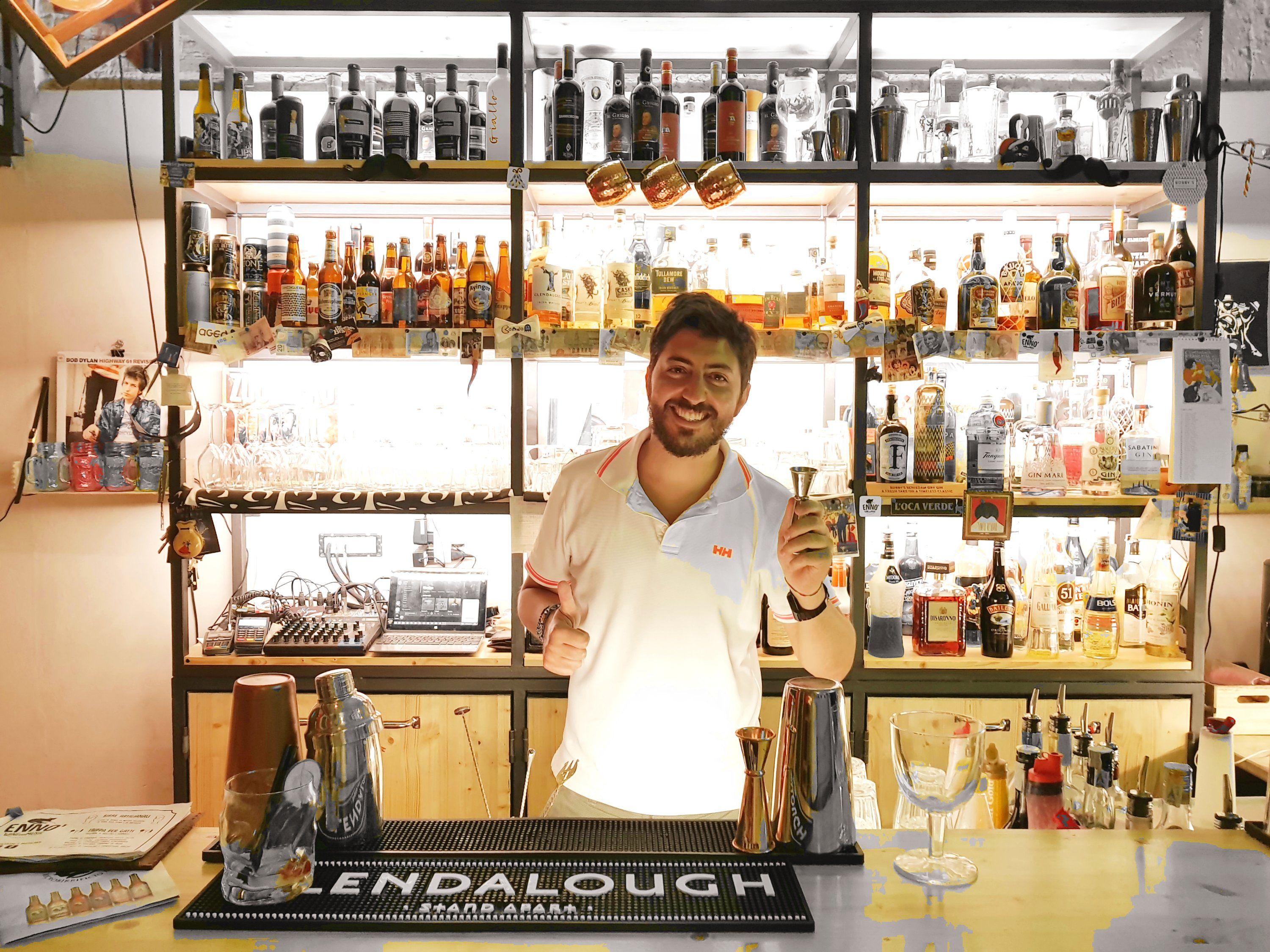
After dinner on our last night in Naples we took a slow wander around the town and were compelled to stop wandering past a bright open doorway. We went in to a tiny jazz bar, with just enough room for the bar and a bench, and the whole place full of cat decorations.
There we met the owner who we spent the rest of the evening getting to know. Here are some pieces of wisdom from Giovanni:
He used to be a lawyer, but decided he wanted to meet and interact with people, so he opened the bar.
Red and yellow traffic lights in Naples mean “it’s your opinion” whether to stop or go
If you find yourself in Naples then definitely have an evening in Bar Enno and ask Giovanni about his cat.
After I qualified I decided there were a number of things I wanted to do that I haven’t had time or resources to do before. One of these things was to travel. I know I am not the first to want to see places and experience new things and on that front I am a little behind most others, but I’m hoping that some more life experience and extra planning will help make up for that.
When I was a teenager on the occasional weekends I used to spend with my dad we would sometimes go out on his motorbike. Not to anywhere special, just out for a ride. I loved it. A whole new way of getting around. I was too young yet to know the joy of driving, only that a car was how you got places, though I admired the style and speed. But here was a way of getting around and you didn’t even need a destination! And as for style and speed…
I’d love to say that I became hooked and went on to be a world class race biker but this story is a little slower.
There were a few other moments as kid, going to bike shows and reading magazines. I had a poster of a gorgeous blue Kawasaki ZX-10R on my wall, even stationary on the wall it looked pointed and purposeful.
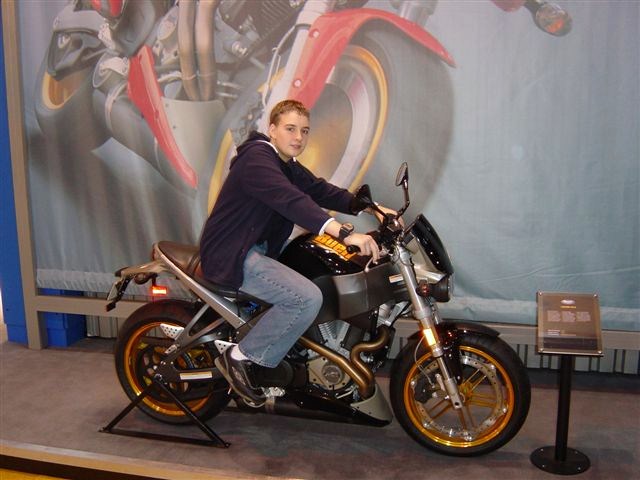
13 year old me at a bike show in Birmingham
Having finished my exams I decided that I needed a new purpose and I had the drive (pun intended). I did a bit of research, spoke to friends and found a local riding school bike2bike that did direct access with a free cbt, and got myself booked in.
I arrived at the training centre bright and early, alone and worried I was in the wrong place. Luckily another trainee turned up shortly after and after that an instructor on a huge touring bike, playing music from the speakers built into the fairing. He proceeded to open up a shipping container and roll out four Yamaha YBR125s. We sorted out our gear, talked about safety and went over the bike and controls. Then we started by walking the bike, feeling the weight and grabbing the brake to feel the force.
Then came the moment to hop on and start the bike. Nerves were tense like a guitar string pulled tight ready to snap. The little 125cc engine sputtered into life, but to the guy in control of a motorbike for the first time it roared. The rest of the morning was spent getting the bike moving, learning the gears and brakes in small tarmac’d area. We practiced with a fake junction for the daunting prospect of turning into a road without getting wiped out by an impatient overtaking car, which helped settle the nerves.
The afternoon meant the road practice. Firing up the motorbikes we turned out of the practice car park onto the main road and were suddenly in a battle against the rest of the road users. However, as I got settled into the rhythm of the bike the important job of staying alive around the drivers became easier.
All in all, a productive and fun day and I came away having passed my cbt.
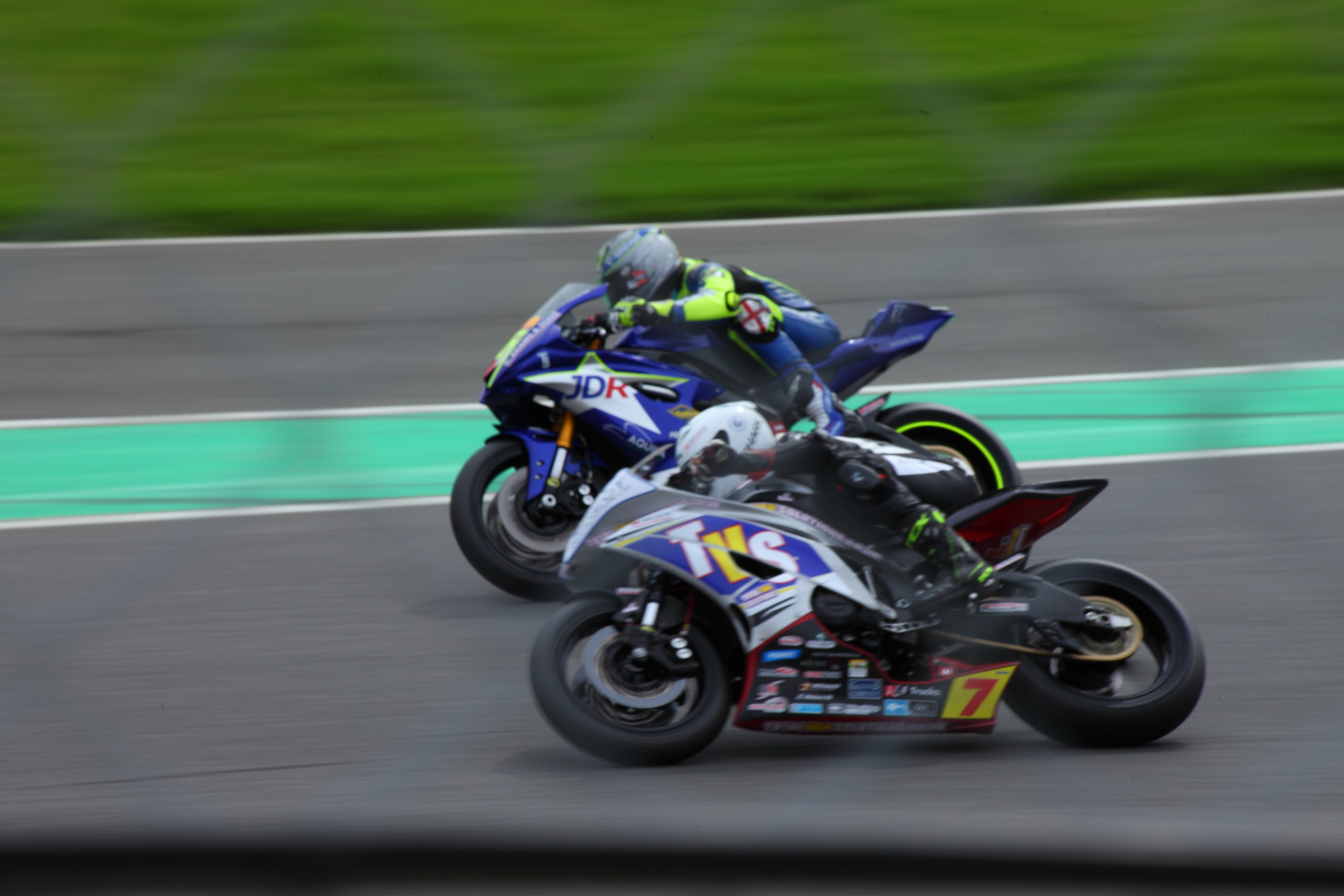
A close battle at Brands Hatch
As a little background into the full motorcycle test, on top of the cbt and the theory test there are 2 practical tests, called module (mod) 1 and mod 2. Mod 1 takes place in a test centre and involves a number of manoeuvres. Mod 2 is the road test.
It came time to do the mod 1 training and to jump on a big bike. The bike was an sfv650 gladius, a naked 650cc v-twin. It was a big step up, 11hp up to 70hp. Going from the 125 to the 650 was like going from a push bike onto a 125, and I definitely didn’t feel the need to pedal anymore. The power was exciting. Trying to use that power to do very tight turns was like trying to ride a horse across a tightrope.
There are a number of manoeuvres in the mod 1 test, but the highlights were the u-turn and the hazard avoidance. The trick to the u-turn is where you look. Inevitably your eyes are drawn to the curb coming towards you because you’re not turning fast enough, and when you look at it, you head straight into it. Look back down the road behind you and keep the power on and the turn will come. The hazard avoidance is swerving around an obstacle at speed, because it’s not always possible to stop. A scary prospect.
The mod 1 practice was a wake up call that I needed more practice, so while I had a bit of time before the test I managed to find a cheap 125 learner online and bought it to practice on. This was a good move, and almost certainly helped me avoid the need for retests. The evening before the test I spent in a local car park practicing the manoeuvres.
Onto the day of the mod 1 test. An hour of practice before the test and the instructor, one other trainee and I set off for a bit of u-turn, swerving and emergency stop practice. Top tip: nerves can make or break even the best of us. I set out fairly nervous but tried to keep calm and just deal with one issue at a time. Trust the bike, look where I want to go and slip the clutch. Not all of us were in the right frame of mind that day though. My counterpart was having a rough time and a lot of issues. The more issues they had, the worse their confidence and the issues grew bigger, resulting in two bike drops, and a failed test. A lesson in keeping a cool head, if things aren’t going right, stop for a moment, deep breath and start over fresh.
However for me, bar 2 minors for only hitting 49kph rather than required 50kph for the speed tests (emergency stop and hazard avoidance), I passed!
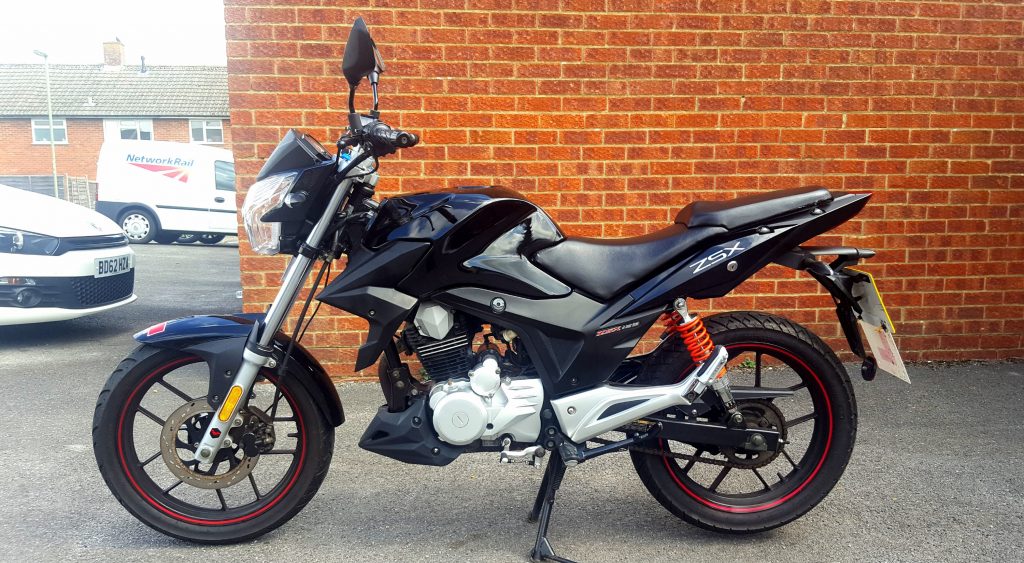
Technically my first bike
The next step was the theory test. I won’t bore you with the details of this as it’s the same as the car test with a few motorcycle specific questions thrown in.
Then came the mod 2 test practice. Up until now I had done quite well, passed theory and mod 1 tests, some wobbly moments but nothing serious. The first half day of the test practice and we did a couple of routes, all went well. Then we set off for one last run. We turned out of the bike shop, down the road and the instructor says to take a left at the roundabout. I pull up to the roundabout with a slight lean to turn left and then slow to a stop to give way. Then I felt a little pull on the arms as the bike tipped just past where it was stable and then there was no going back. The machine fell in slow motion like a ship slowly capsizing. I tried to stop it but once it goes past the point there’s no saving it. It sank so slowly that I had time to step off. And that is the story of first and only (so far – touch wood) dropped bike.
Now there was an issue because I had seen first hand what nerves could do on the cusp of a test. So I had to accept it, try to empty my head and start over. A short ride on a straight bit of quiet road, gave me chance to quiet my mind and compose myself, and I made sure to finish the rest of the ride strong.
It paid off. I passed my mod 2 test. I could legally ride a motorcycle.
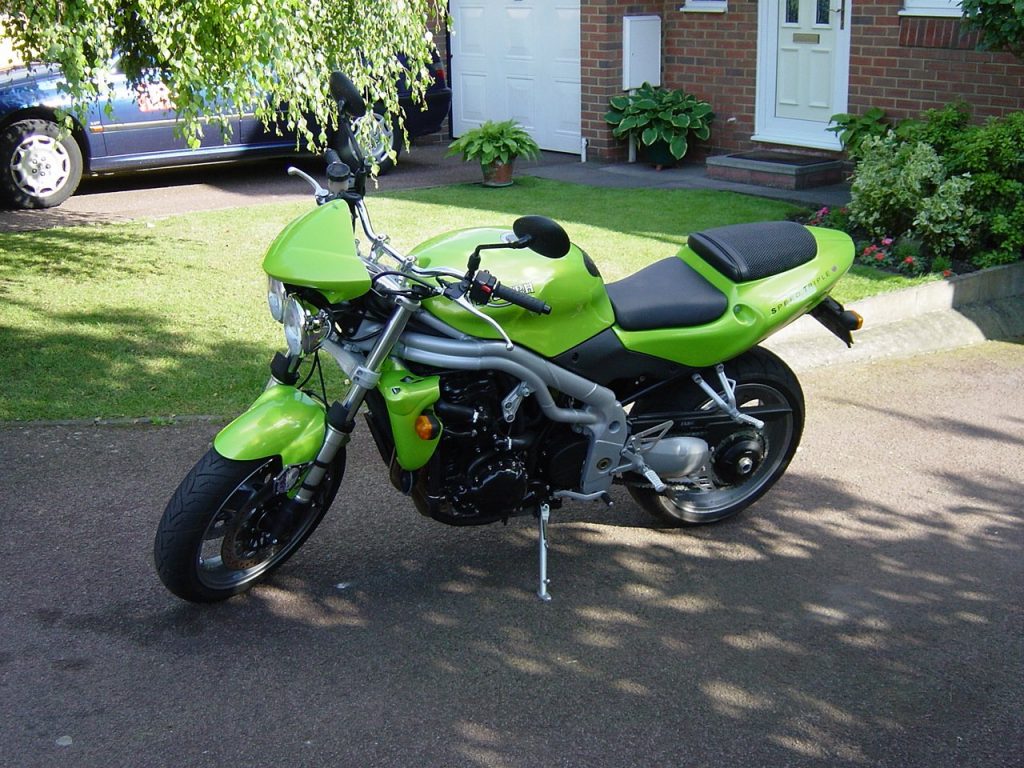
Now came the challenging part, buying myself a new big boy toy. After a lot of research and narrowing down options; Suzuki sv650, Kawasaki ER6, Honda CBR600. The deciding factor was my favorite bike to pillion on when I was a kid, a gorgeous lime green Triumph Speed Triple.
My favorite bike of my dads
While the Speed was a bit much for a first bike, it’s little brother the Street Triple, was a perfect first bike, or so I was told. Reviews online and from friends promised a lightweight bike, sublime handling and a nice torquey engine.
“The striple has a LOT to teach. I’m 3 years in and still learning a lot” – quote from a friend
The difficulty was finding one for the right price, as I was promised that I would drop the bike at some point I didn’t want to spend a fortune on it. It seemed that Striples are popular and keep their value so endless saved searches and trawling gumtree to find one the right price only served to narrow down my preferences to something specific (and therefore more expensive). Then I found my ideal bike at a local dealer (Unique Wheels), and it was definitely too expensive. Then my dad gave me the following advice:
“A bike is something you buy with your heart, not your head”
I am soon to turn 30 and while I have been reasonably successful I have started to think about all the things I want to achieve with my life and in particular, how I want to make the most of my time. That is what this blog is about, not just for me but for everyone.
I want to encourage, inspire and motivate people to make the most of the time they have, share my achievements, mistakes, drives, worries and thoughts about the world.
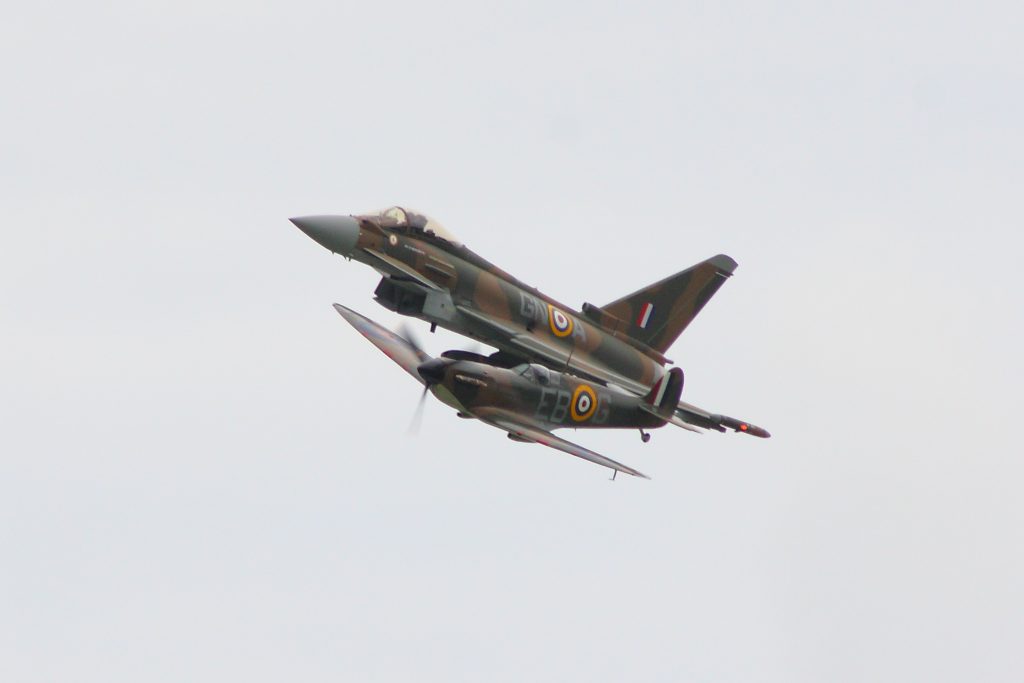
Not a photoshop, just lucky timing at an airshow
No-one would argue that my life up to now has been far from ordinary…
I was born, I went to school, I went to university, got a good office job, met a girl, bought a house. It’s not the most unique story.
As part of my job I was required to get a professional qualification which meant a number of years (the number is 6, but it feels a lot higher) of working experience and serious exam stress. When I finally finished and qualified I was left with a gap. I had worked hard learning, studying and sitting exams since I started school at the age of 5 until I was 28, and suddenly had achieved what I set out to do.
What to do next? I always said that when I qualified I would get my motorcycle license. Which is what I decided to do…