I’d like to share with you a piece of advice I’ve had, and have given myself over recent years.
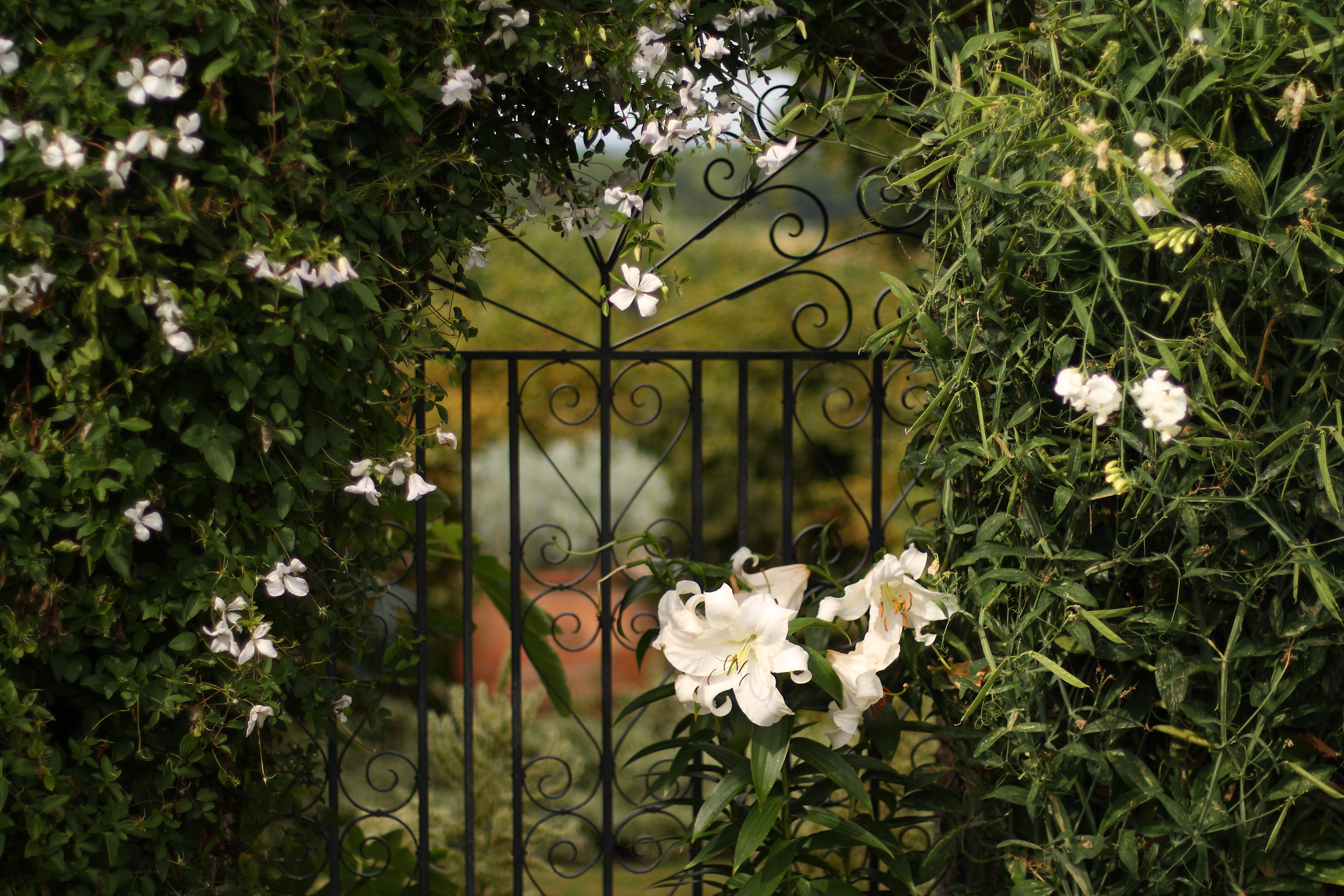
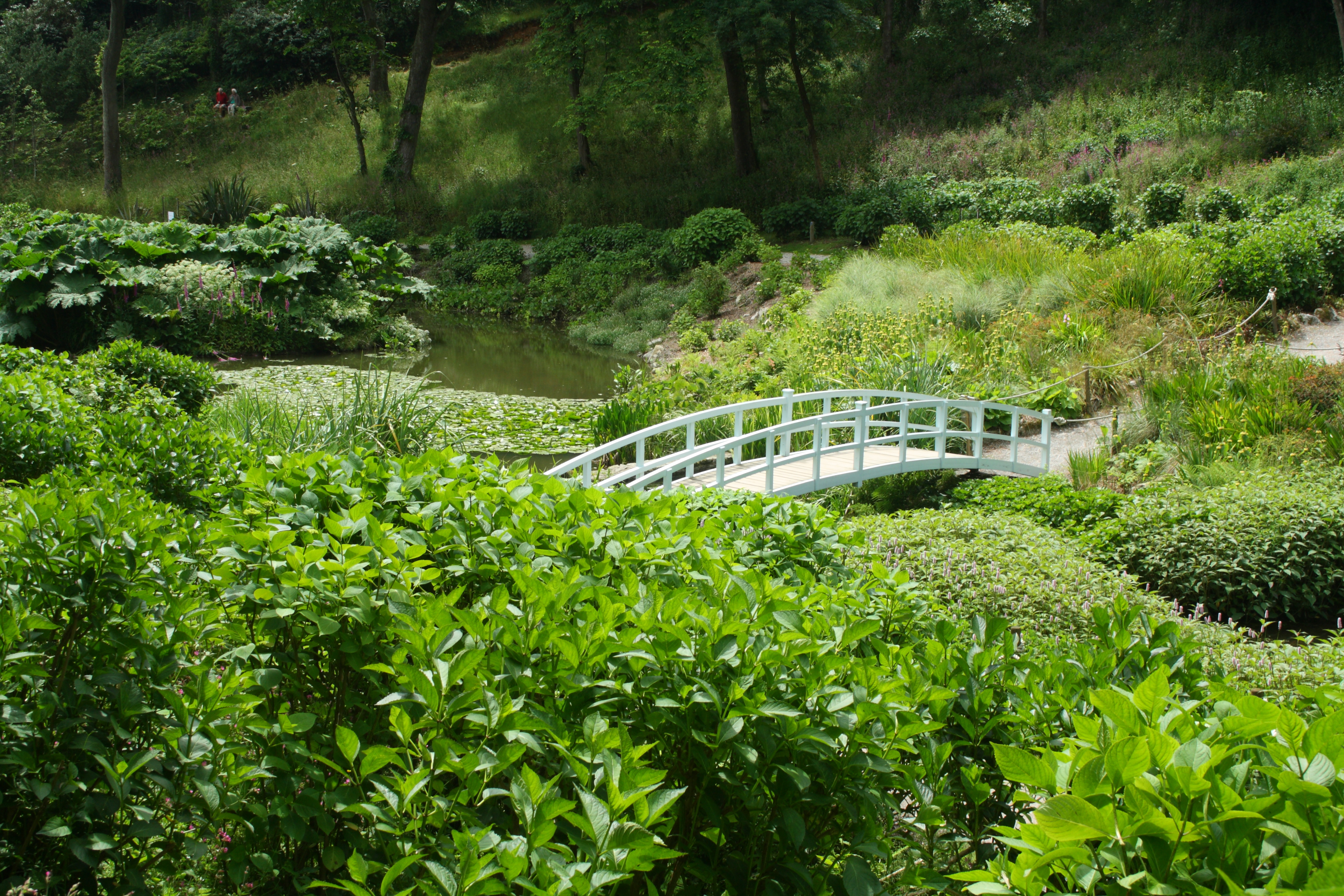
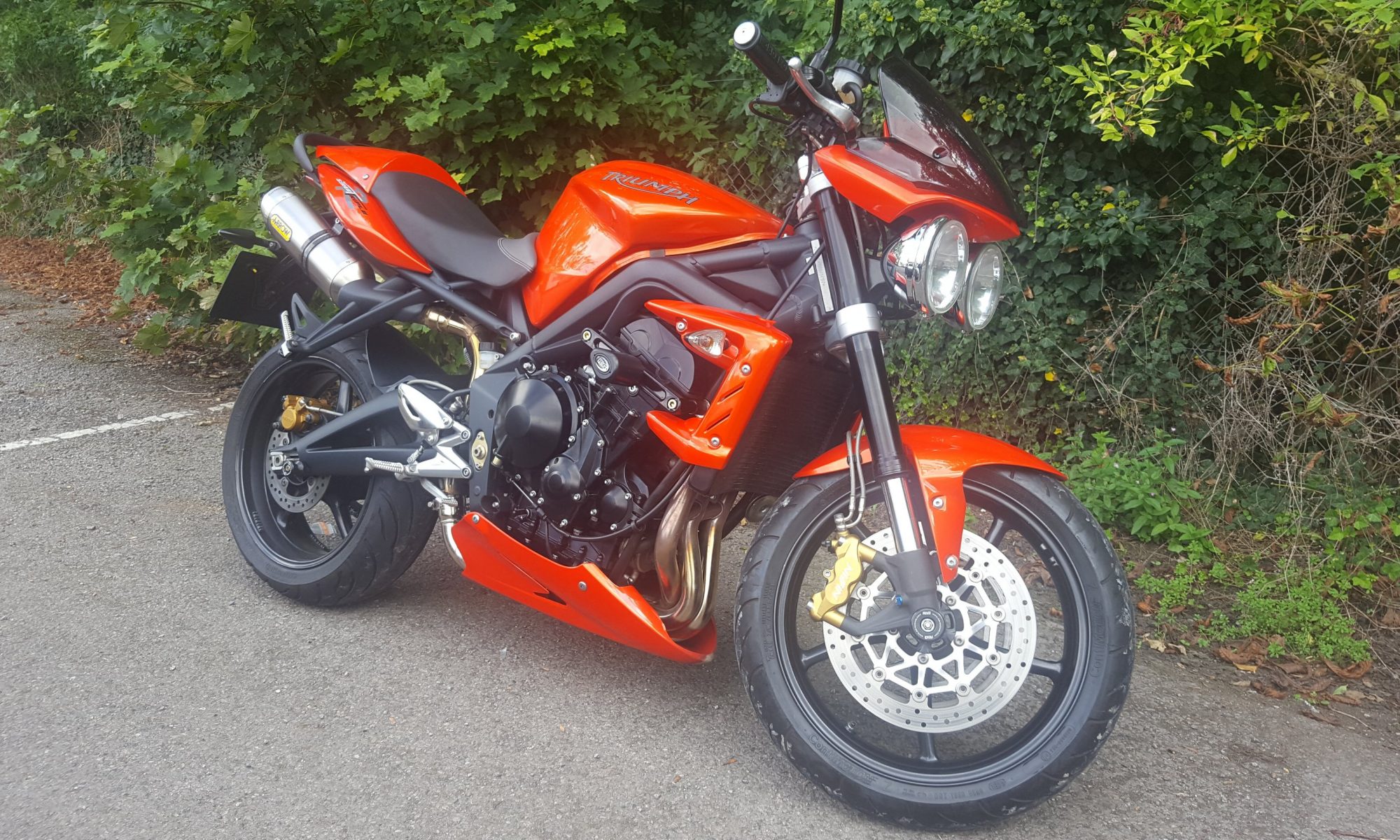
Sissinghurst, Kent, August 2015
I’ve picked up a few skills now, and a particular piece of advice comes up again and again. Always look towards the horizon.
Most recently when researching riding the motorbike. Often mistakes on the bike start by looking at the wrong thing. It sounds cliche but you do go where you look. When making mistakes, often the gaze wanders towards whatever you’re trying to avoid, and an accident becomes inevitable. That’s why you always keep your eye on the ‘vanishing point’, the furthest point away that you can see.
Recently I’ve found this advice to be everywhere, and looking back can find lots of other examples.
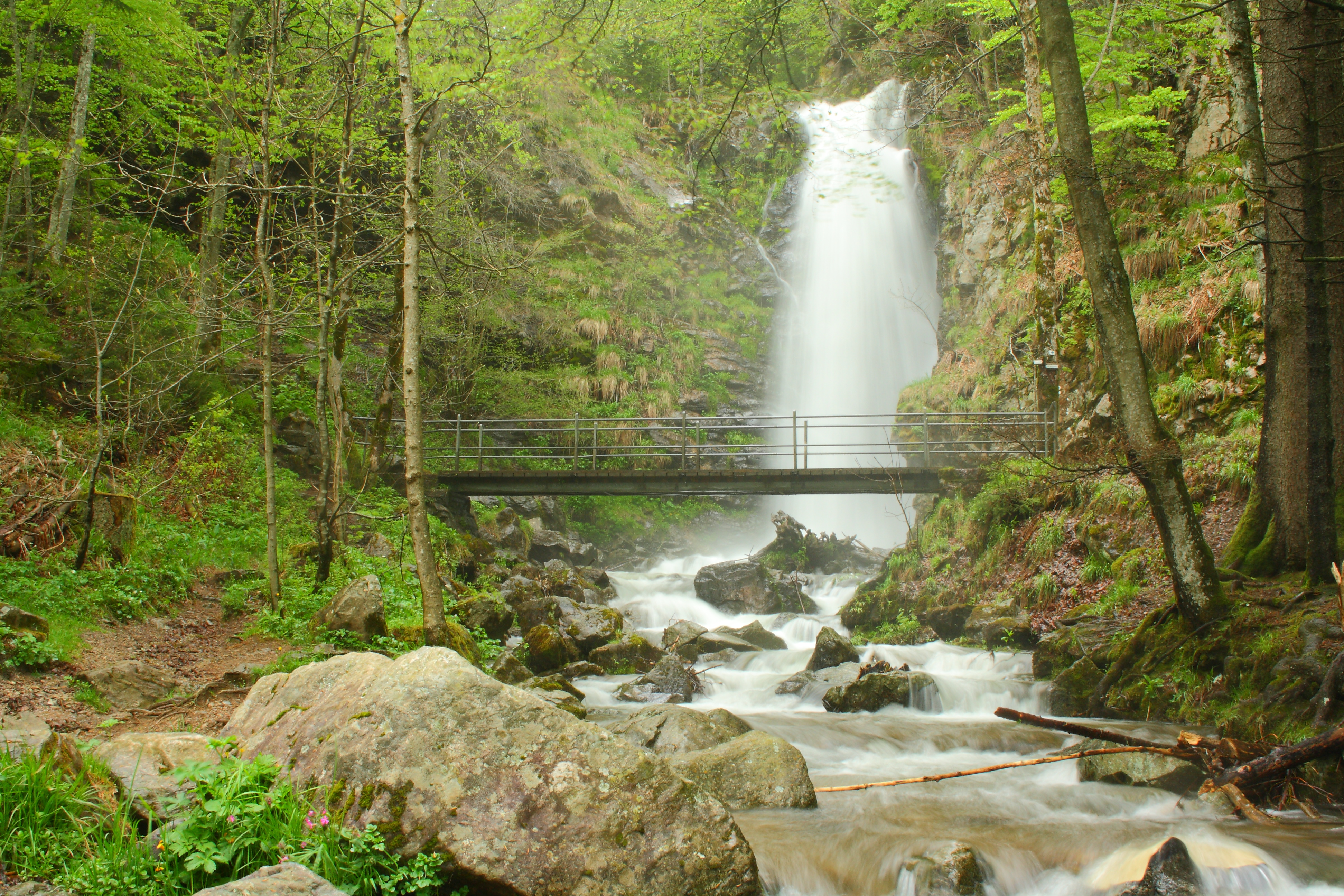
Germany, May 2015
Another time I came across this advice was with snowboarding, where the natural reaction is to look at the ground or your feet and inevitably the ground is where you end up. Keep your head up and your eyes looking ahead and it’ll help you stay on course.
Similarly when doing driving courses, look as far forward as possible, aim where you want to go and your actions will follow. Even when driving on the road, always look as far forward as possible, don’t brake when the car in front brakes, brake when the car ahead of them brakes, or the car ahead of them and it’ll make it easier.
Always focus on your objective, where do you want to be, what do you want to achieve. If this is always in your mind then your decisions will naturally help you move towards it.
Cornwall, June 2013
Another piece of advice that comes from this:
“Be quick to forgive”
Look forward in time and decide whether you want this person in your life and the relationship you want to have with them. If you decide that they are a person that you want around then there’s no benefit to holding onto bad feelings. Let these go and move forward to a place where you can both be happy.
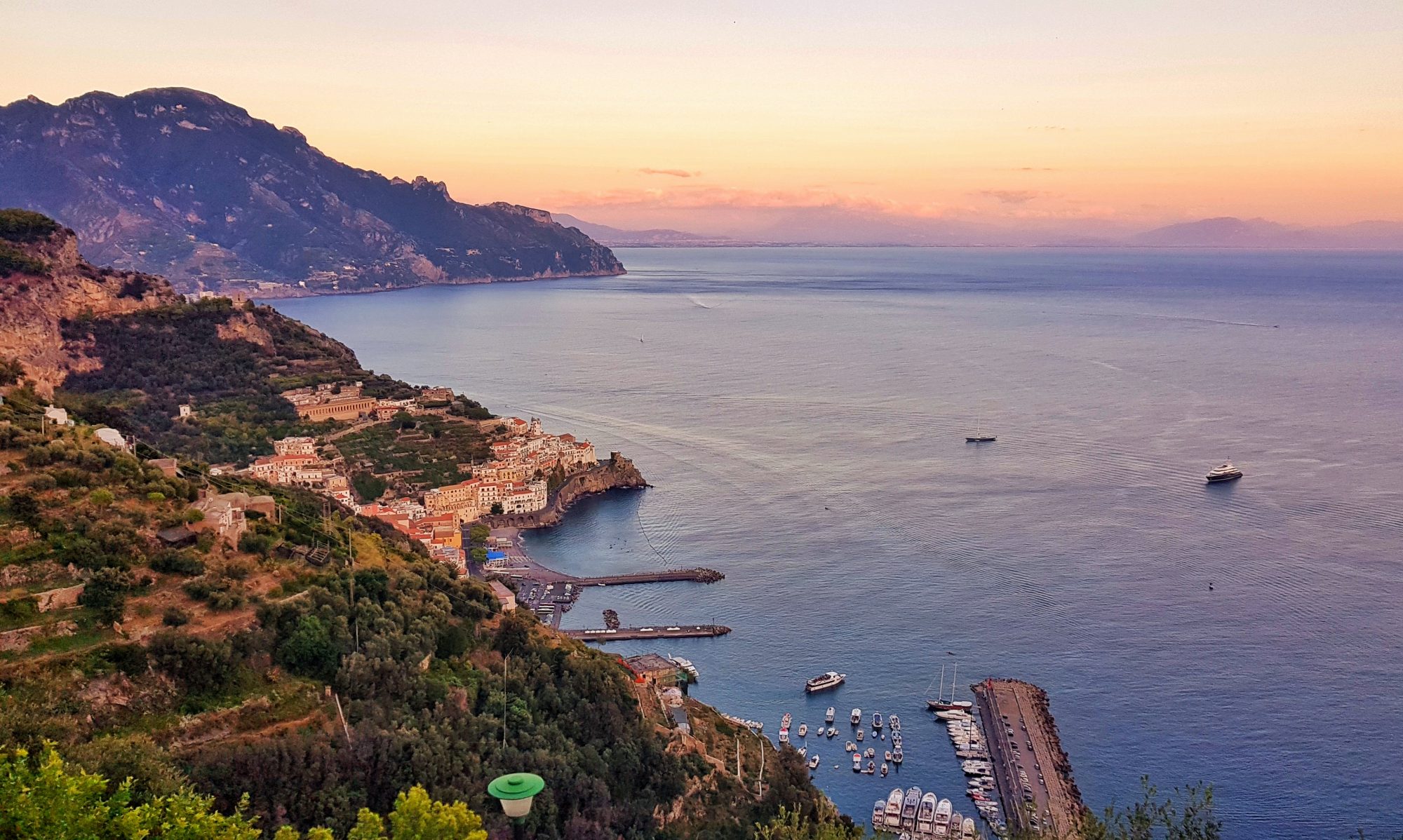
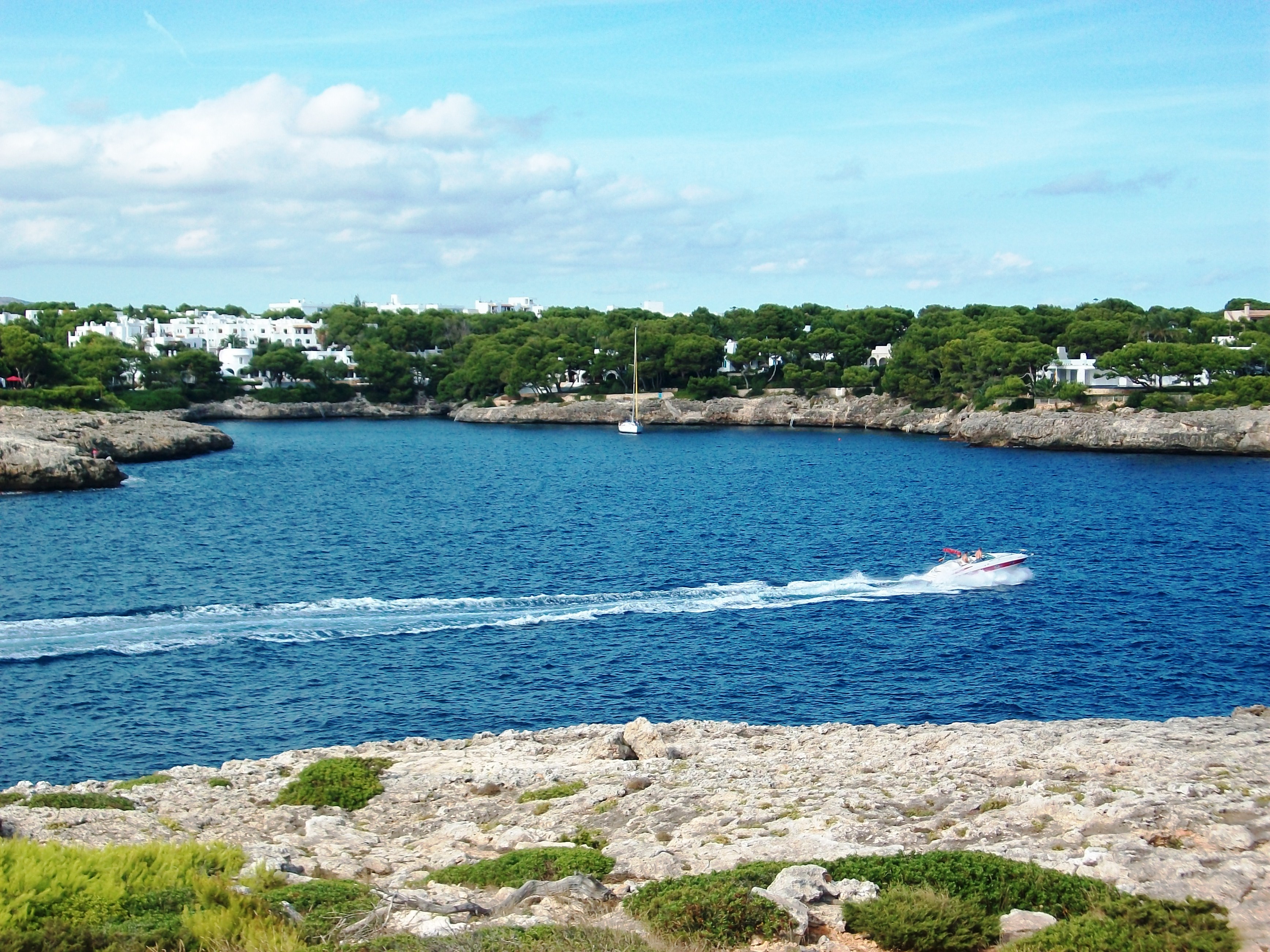
Majorca, September 2010
The best application of this advice that I have found is when trying to apply it to life. People say ‘forget the past’, but this is largely ignored and for good reason, no-one wants to forget everything and most people are not able to choose what they forget. I choose to apply it this way:
Don’t try and change the past. Recognise what you can change and you will be able to apply yourself to where you can have an impact.
Many times I have experienced, and see people experience, the mental challenge that comes with failure. When exams have gone badly it’s easy to think “I should have studied more”, “why didn’t I do more practice?”, “why didn’t I focus on that topic more?”.
What we need to be doing is asking ourselves “What can I change next time?”, “What do I need to do to pass this in future?”
Don’t try and change what has happened, focus on what you can do now.
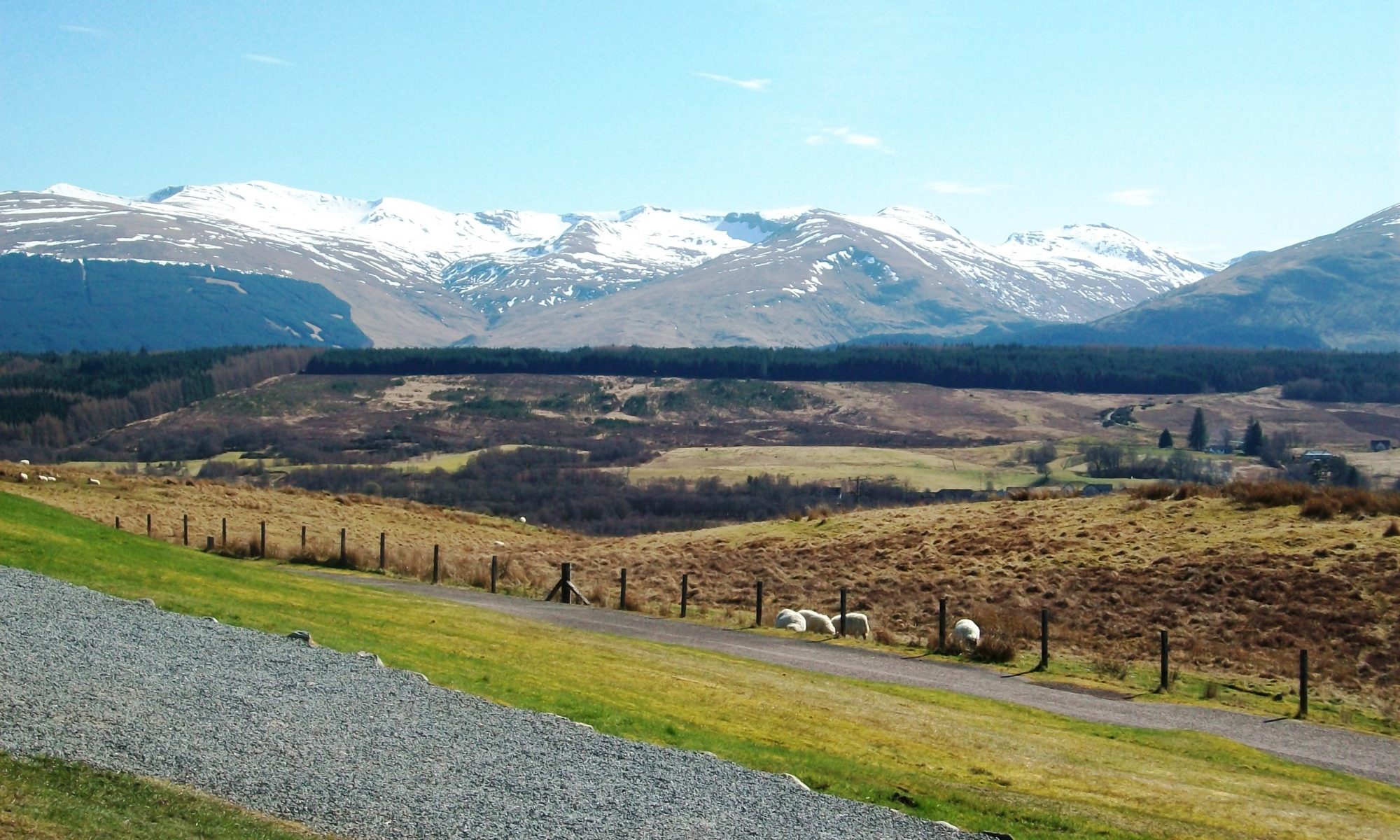
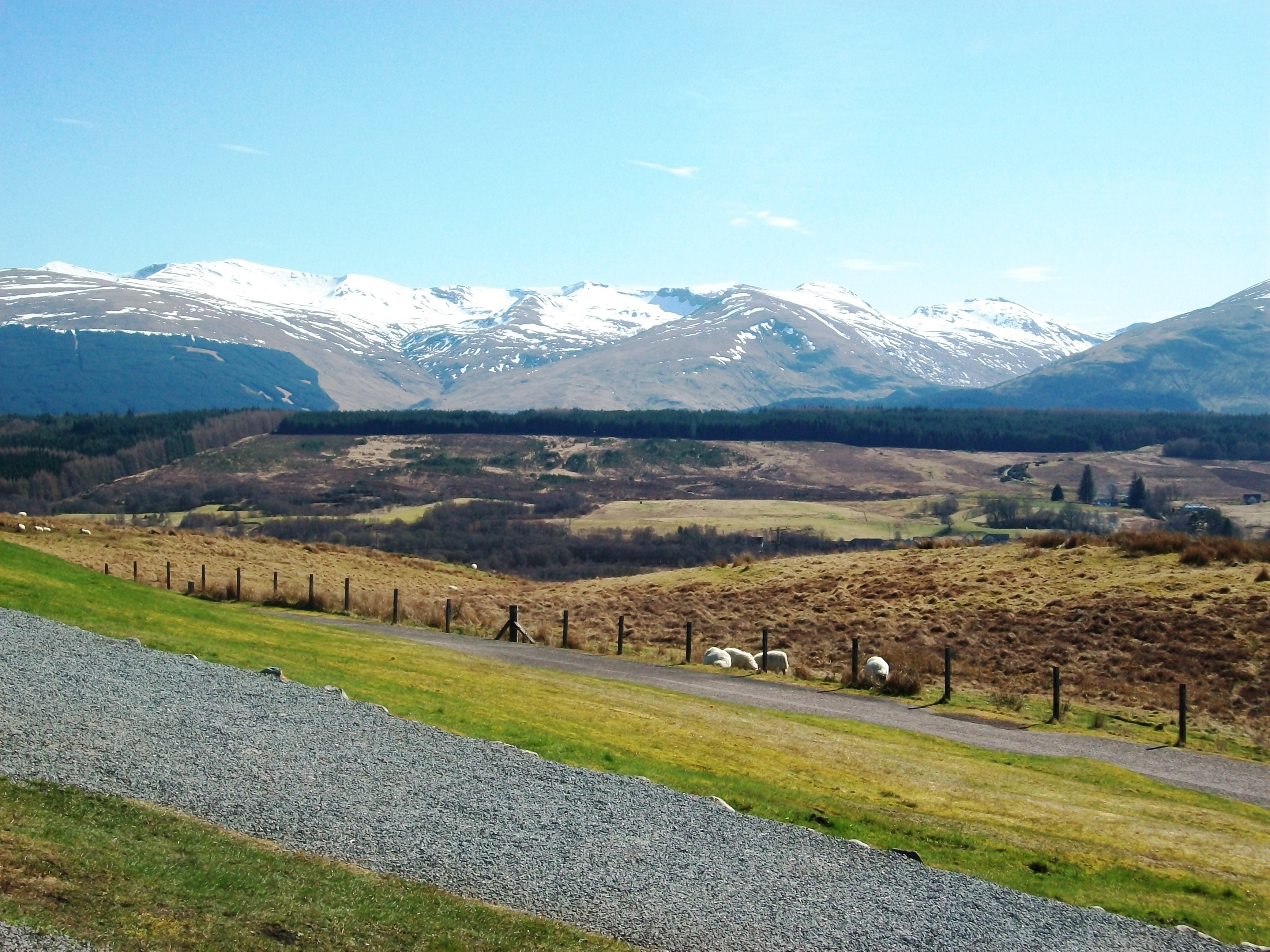
Scotland, April 2010
Remember every day to think about watching the horizon. There is no point in trying to change what you can’t. Always look ahead to what you want, to what you can achieve and how you can get there.
When I was a teenager on the occasional weekends I used to spend with my dad we would sometimes go out on his motorbike. Not to anywhere special, just out for a ride. I loved it. A whole new way of getting around. I was too young yet to know the joy of driving, only that a car was how you got places, though I admired the style and speed. But here was a way of getting around and you didn’t even need a destination! And as for style and speed…
I’d love to say that I became hooked and went on to be a world class race biker but this story is a little slower.
There were a few other moments as kid, going to bike shows and reading magazines. I had a poster of a gorgeous blue Kawasaki ZX-10R on my wall, even stationary on the wall it looked pointed and purposeful.
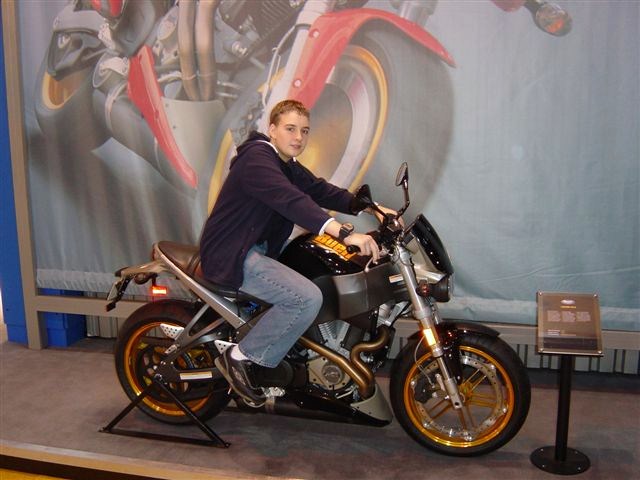
13 year old me at a bike show in Birmingham
Having finished my exams I decided that I needed a new purpose and I had the drive (pun intended). I did a bit of research, spoke to friends and found a local riding school bike2bike that did direct access with a free cbt, and got myself booked in.
I arrived at the training centre bright and early, alone and worried I was in the wrong place. Luckily another trainee turned up shortly after and after that an instructor on a huge touring bike, playing music from the speakers built into the fairing. He proceeded to open up a shipping container and roll out four Yamaha YBR125s. We sorted out our gear, talked about safety and went over the bike and controls. Then we started by walking the bike, feeling the weight and grabbing the brake to feel the force.
Then came the moment to hop on and start the bike. Nerves were tense like a guitar string pulled tight ready to snap. The little 125cc engine sputtered into life, but to the guy in control of a motorbike for the first time it roared. The rest of the morning was spent getting the bike moving, learning the gears and brakes in small tarmac’d area. We practiced with a fake junction for the daunting prospect of turning into a road without getting wiped out by an impatient overtaking car, which helped settle the nerves.
The afternoon meant the road practice. Firing up the motorbikes we turned out of the practice car park onto the main road and were suddenly in a battle against the rest of the road users. However, as I got settled into the rhythm of the bike the important job of staying alive around the drivers became easier.
All in all, a productive and fun day and I came away having passed my cbt.
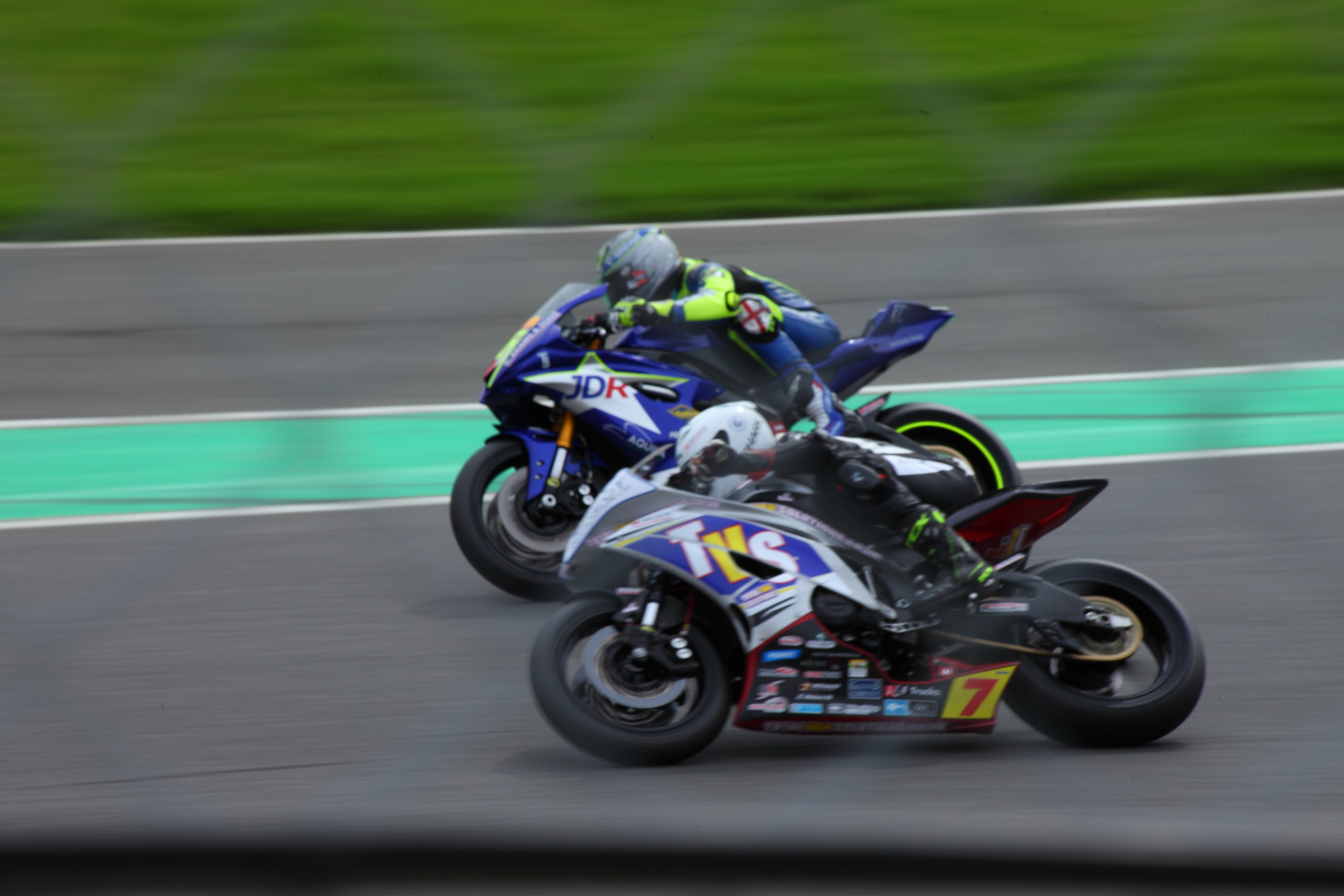
A close battle at Brands Hatch
As a little background into the full motorcycle test, on top of the cbt and the theory test there are 2 practical tests, called module (mod) 1 and mod 2. Mod 1 takes place in a test centre and involves a number of manoeuvres. Mod 2 is the road test.
It came time to do the mod 1 training and to jump on a big bike. The bike was an sfv650 gladius, a naked 650cc v-twin. It was a big step up, 11hp up to 70hp. Going from the 125 to the 650 was like going from a push bike onto a 125, and I definitely didn’t feel the need to pedal anymore. The power was exciting. Trying to use that power to do very tight turns was like trying to ride a horse across a tightrope.
There are a number of manoeuvres in the mod 1 test, but the highlights were the u-turn and the hazard avoidance. The trick to the u-turn is where you look. Inevitably your eyes are drawn to the curb coming towards you because you’re not turning fast enough, and when you look at it, you head straight into it. Look back down the road behind you and keep the power on and the turn will come. The hazard avoidance is swerving around an obstacle at speed, because it’s not always possible to stop. A scary prospect.
The mod 1 practice was a wake up call that I needed more practice, so while I had a bit of time before the test I managed to find a cheap 125 learner online and bought it to practice on. This was a good move, and almost certainly helped me avoid the need for retests. The evening before the test I spent in a local car park practicing the manoeuvres.
Onto the day of the mod 1 test. An hour of practice before the test and the instructor, one other trainee and I set off for a bit of u-turn, swerving and emergency stop practice. Top tip: nerves can make or break even the best of us. I set out fairly nervous but tried to keep calm and just deal with one issue at a time. Trust the bike, look where I want to go and slip the clutch. Not all of us were in the right frame of mind that day though. My counterpart was having a rough time and a lot of issues. The more issues they had, the worse their confidence and the issues grew bigger, resulting in two bike drops, and a failed test. A lesson in keeping a cool head, if things aren’t going right, stop for a moment, deep breath and start over fresh.
However for me, bar 2 minors for only hitting 49kph rather than required 50kph for the speed tests (emergency stop and hazard avoidance), I passed!
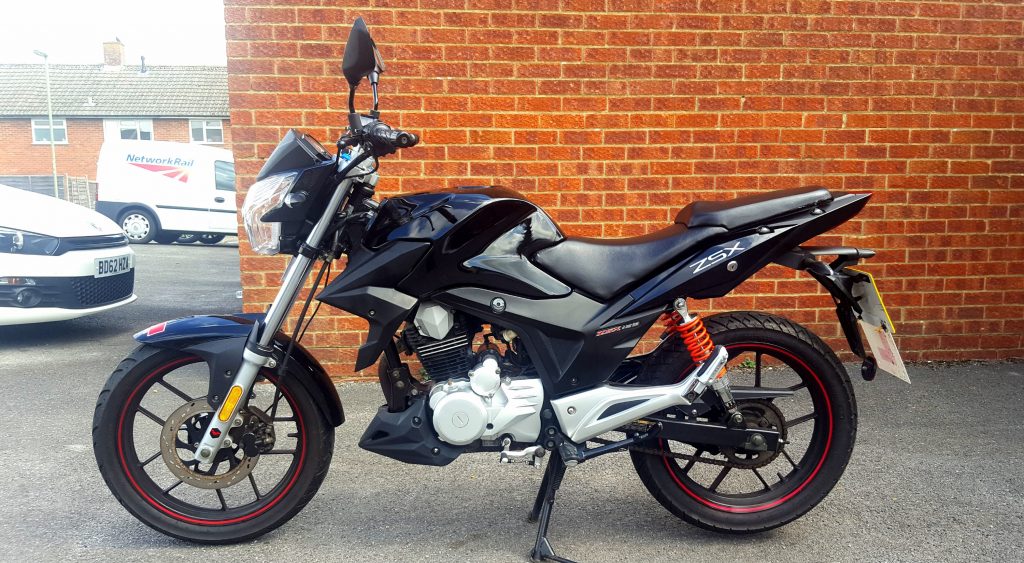
Technically my first bike
The next step was the theory test. I won’t bore you with the details of this as it’s the same as the car test with a few motorcycle specific questions thrown in.
Then came the mod 2 test practice. Up until now I had done quite well, passed theory and mod 1 tests, some wobbly moments but nothing serious. The first half day of the test practice and we did a couple of routes, all went well. Then we set off for one last run. We turned out of the bike shop, down the road and the instructor says to take a left at the roundabout. I pull up to the roundabout with a slight lean to turn left and then slow to a stop to give way. Then I felt a little pull on the arms as the bike tipped just past where it was stable and then there was no going back. The machine fell in slow motion like a ship slowly capsizing. I tried to stop it but once it goes past the point there’s no saving it. It sank so slowly that I had time to step off. And that is the story of first and only (so far – touch wood) dropped bike.
Now there was an issue because I had seen first hand what nerves could do on the cusp of a test. So I had to accept it, try to empty my head and start over. A short ride on a straight bit of quiet road, gave me chance to quiet my mind and compose myself, and I made sure to finish the rest of the ride strong.
It paid off. I passed my mod 2 test. I could legally ride a motorcycle.
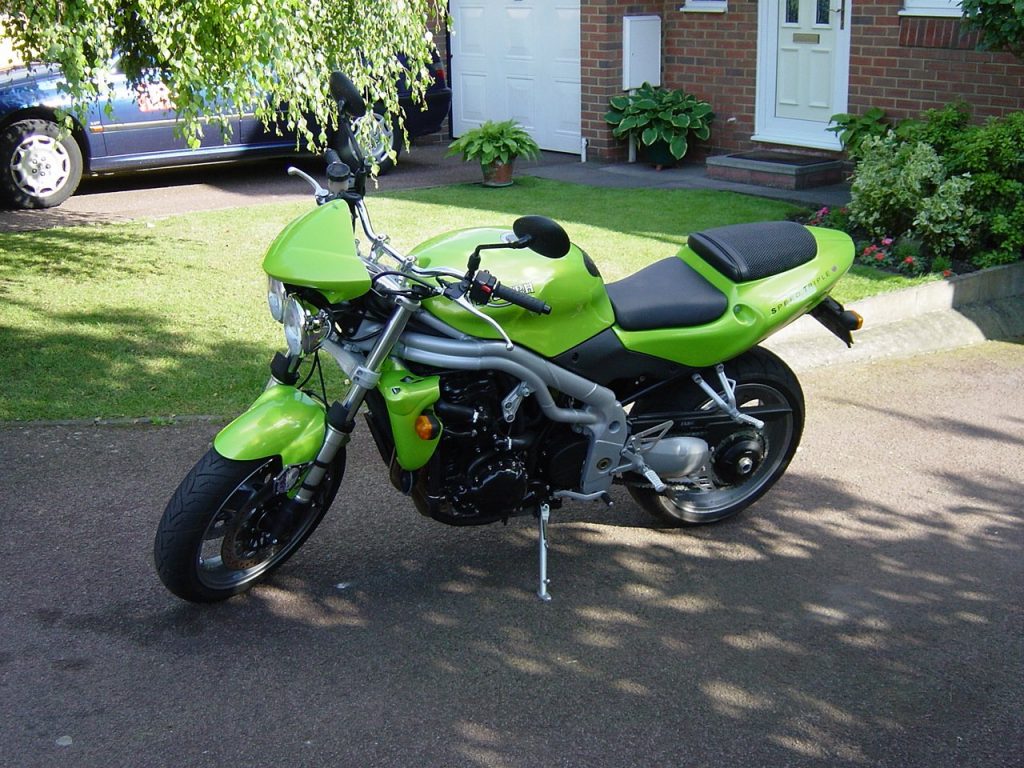
Now came the challenging part, buying myself a new big boy toy. After a lot of research and narrowing down options; Suzuki sv650, Kawasaki ER6, Honda CBR600. The deciding factor was my favorite bike to pillion on when I was a kid, a gorgeous lime green Triumph Speed Triple.
My favorite bike of my dads
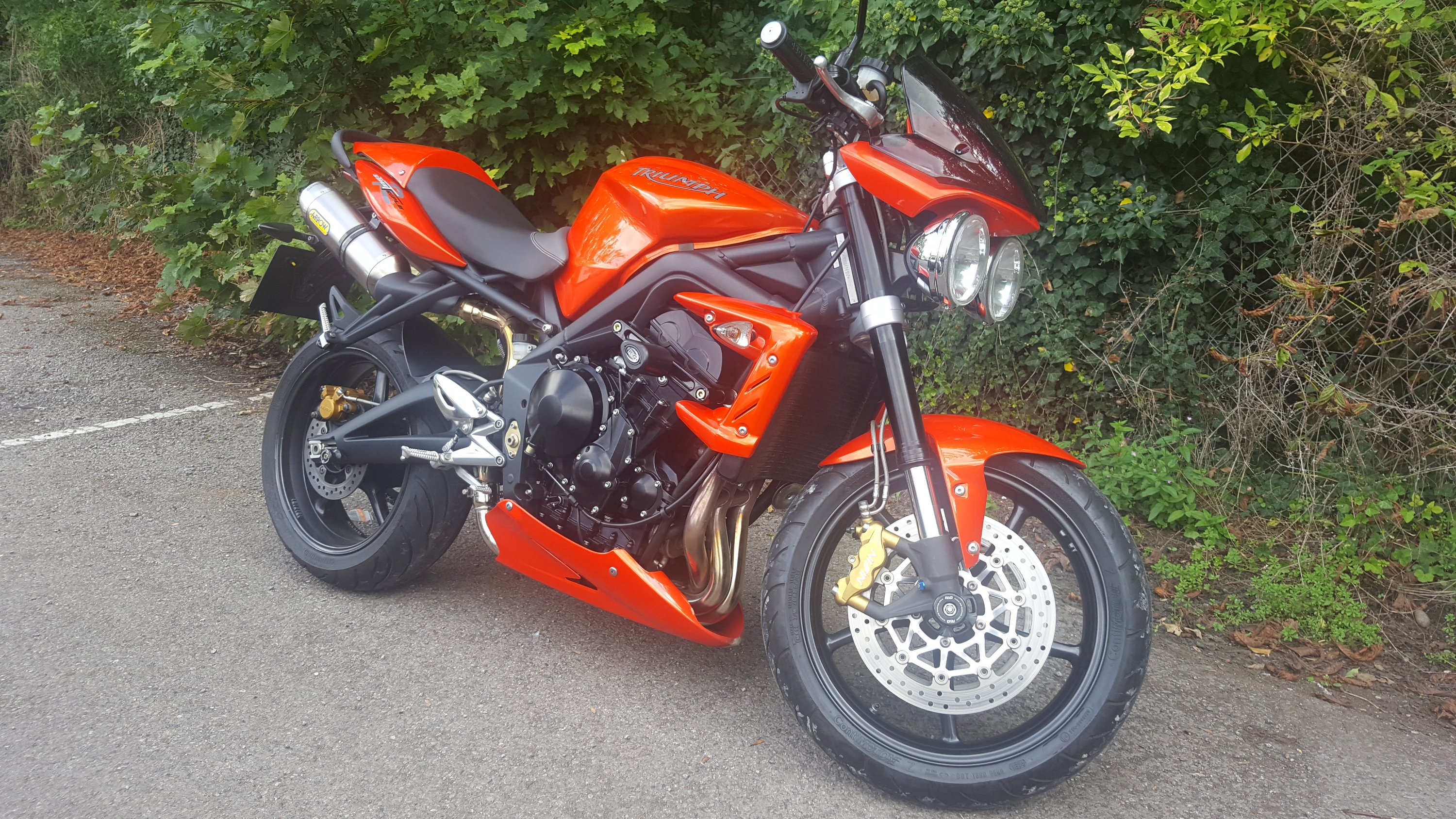
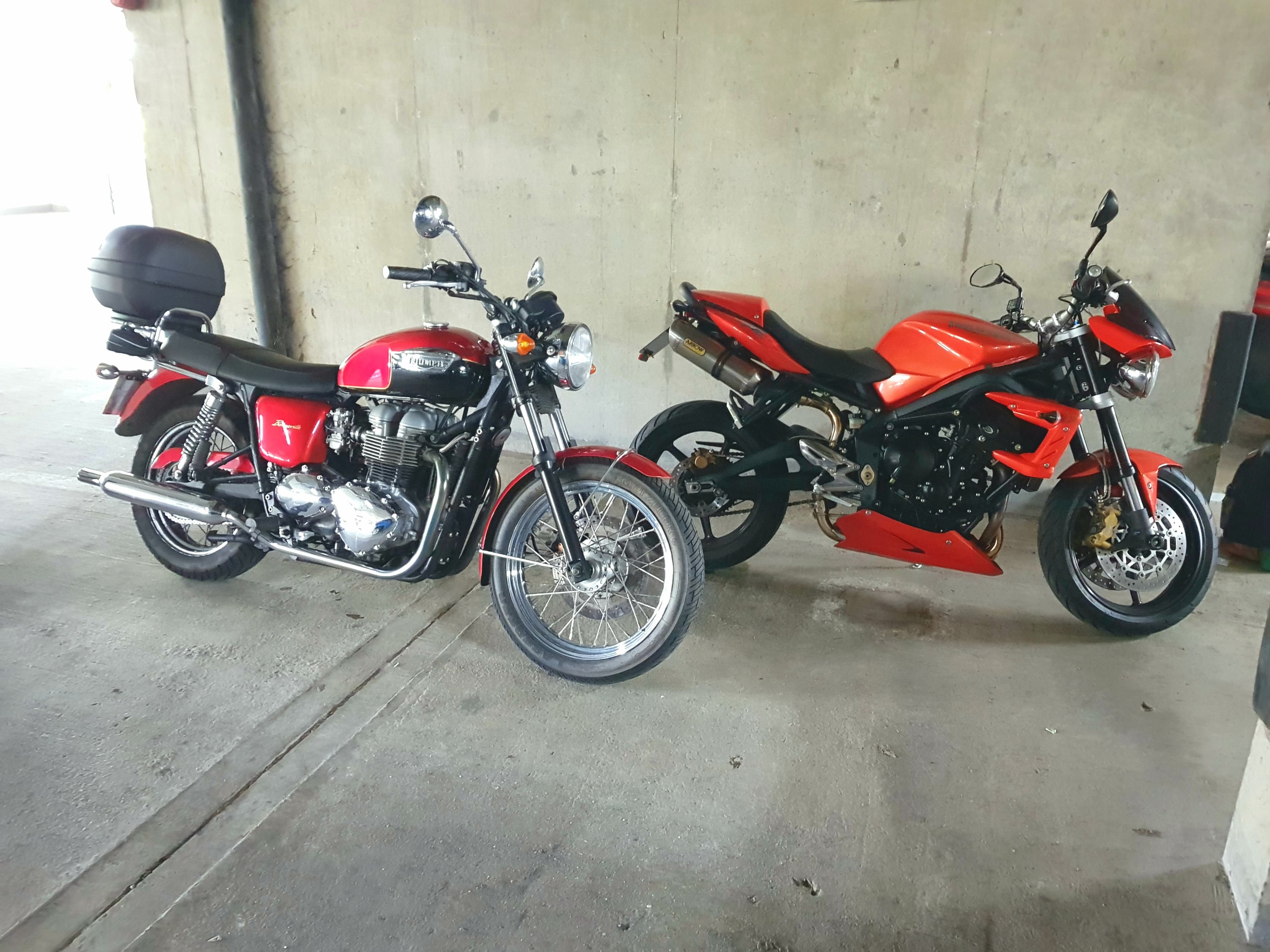
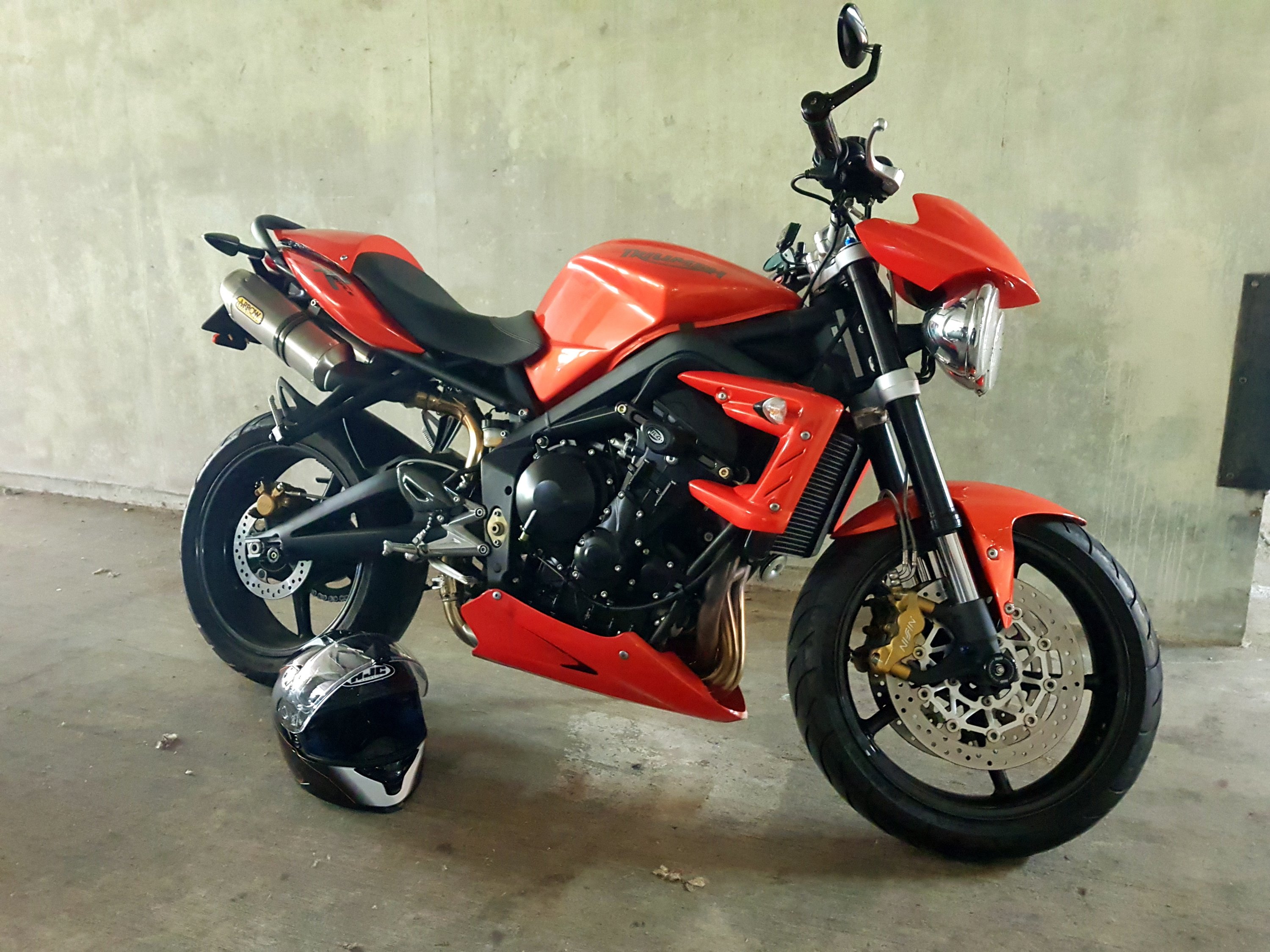
While the Speed was a bit much for a first bike, it’s little brother the Street Triple, was a perfect first bike, or so I was told. Reviews online and from friends promised a lightweight bike, sublime handling and a nice torquey engine.
“The striple has a LOT to teach. I’m 3 years in and still learning a lot” – quote from a friend
The difficulty was finding one for the right price, as I was promised that I would drop the bike at some point I didn’t want to spend a fortune on it. It seemed that Striples are popular and keep their value so endless saved searches and trawling gumtree to find one the right price only served to narrow down my preferences to something specific (and therefore more expensive). Then I found my ideal bike at a local dealer (Unique Wheels), and it was definitely too expensive. Then my dad gave me the following advice:
“A bike is something you buy with your heart, not your head”